

The Truth About Water Reuse, and What It Means for Your Property
You've probably seen the claim on a brochure or in a news story: a plant that recycles 100% of its water. It sounds almost too good to be true. A modern wastewater treatment plant can clean water to an impressive standard, but the "100%" figure needs a closer look before you believe it.
Short Answer: Is 100% Recycling Actually Possible?
Not literally. Well-run plants commonly recover around 85 to 95 percent of the water they handle, depending on the design and the quality needed. The rest is lost along the way or locked into waste streams. Treat those numbers as ballpark figures, not guarantees.
How Does Dirty Water Become Reusable?
Follow one litre through a typical plant:
- Screening catches wipes, grit, and debris.
- Settling lets solids sink and oils float so both can be skimmed off.
- Biological treatment uses bacteria to break down dissolved waste.
- Filtration removes fine particles.
- Disinfection with UV or chlorine kills any remaining germs.
Advanced plants add reverse osmosis for a final polish. That step is also where some water gets left behind.
Where Does the "Missing" Water Go?
- Evaporation from open tanks and basins
- Moisture trapped in sludge
- Salty concentrate left over from membranes
- Flushing and maintenance losses
None of this is failure. It's simply physics.
Is Recycled Water Safe to Use?
It depends on the job. Most reused water goes to irrigation, toilet flushing, industrial cooling, and groundwater recharge. Drinking-water reuse exists in a few places, but only under very strict testing.
The rule is simple: match the treatment level to the use.
What Have We Learned at Tanks-A-Lot Ltd?
I've walked through plenty of treatment sites over the years, and I always ask the operator one question: how much fresh water do you top up each month? The honest ones answer straight away, and the number is rarely zero.
That's the approach we take at Tanks-A-Lot Ltd. We explain what a system can realistically achieve, then help you plan around that instead of around a slogan.
Can You Reuse Water at Home?
A little, yes, and safely if you follow local rules.
- Rainwater can water gardens and wash vehicles.
- Greywater from sinks and showers can irrigate plants if you use plant-friendly detergents.
- Toilet and kitchen waste should never be reused without professional treatment.
Check your local regulations first, as they vary widely.
Three Questions to Ask Before Trusting a "100%" Claim
- What exactly is being measured: water reused, or water recovered?
- What is the reused water actually used for?
- How much fresh make-up water is added each month?
If the answers are vague, the claim probably is too.
What About Homes and Small Properties?

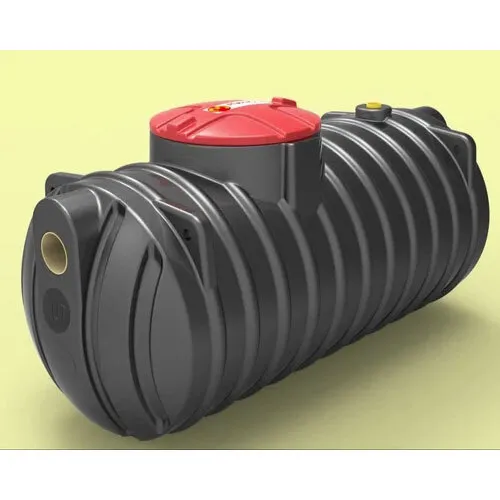
Not every property connects to a large plant. If yours has a septic holding tank, waste is stored on site and collected by tanker, so nothing is recycled until it reaches a treatment facility.
Ask your hauler where it goes and how it's treated. It's a fair question, and a good company will answer it clearly.
Final Thoughts
So can a plant recycle every single drop? Not quite. But recovering most of it is a real achievement, and the technology improves every year. Aim for realistic goals rather than perfect ones.
Even at home, small steps count. Whether you're collecting rainwater in a cistern tank for the garden or planning reuse on a larger site, get the basics right first. Call Tanks-A-Lot Ltd and we'll help you work out what's practical for your property.
This one is built around a "follow the water" walkthrough and a claim-checking checklist, so it differs from the earlier three. I can also put all four articles in a Word file if you'd like.


























Sign in to leave a comment.