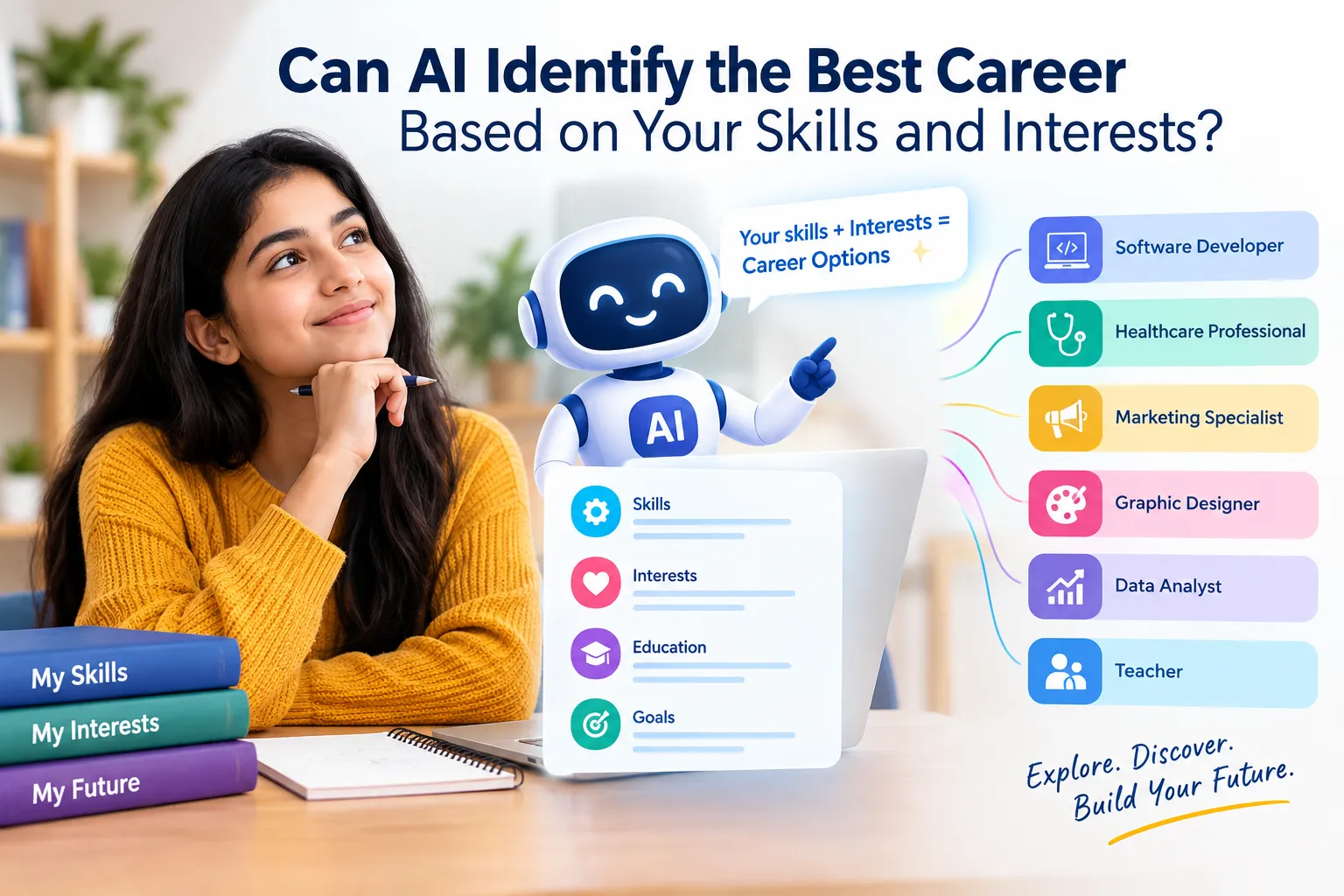

Choosing a career can feel overwhelming when you have many interests but are unsure which direction is right for you. Students, graduates, and working professionals often struggle to understand how their skills, personality, interests, and long-term goals fit into different career options. This is where artificial intelligence is becoming a useful tool for career planning.
AI-powered career platforms can analyze information about your abilities, interests, education, experience, and preferences to suggest career paths that may suit you. A career coach AI can also help organize these insights and present possible career options in a simple and practical way. However, AI should be viewed as a support tool rather than a system that makes the final decision for you.
How Does AI Identify Suitable Careers?
AI career tools typically work by collecting information about a person's skills, interests, educational background, goals, and preferences. Some platforms may also use assessments that ask questions about personality, work preferences, strengths, and subjects you enjoy.
The system then compares this information with career-related data. It may identify connections between your abilities and the skills commonly required for particular jobs.
For example, someone who enjoys problem-solving, mathematics, and technology may receive recommendations related to data analysis, software development, engineering, or other technical fields. Someone with strong communication skills and an interest in helping others may see options such as teaching, counseling, marketing, human resources, or customer-focused roles.
The recommendations are based on patterns and available information rather than a simple one-size-fits-all formula.
What Information Does AI Consider?
The quality of career recommendations depends largely on the information provided. AI may consider several factors, including:
- Skills: Technical, creative, communication, analytical, or leadership abilities.
- Interests: Subjects, activities, industries, and types of work you enjoy.
- Education: Degrees, certifications, courses, and academic subjects.
- Experience: Previous jobs, internships, projects, or volunteer activities.
- Work preferences: Remote work, teamwork, independent work, structured environments, or flexible roles.
- Career goals: Income expectations, professional growth, job stability, or opportunities for advancement.
Considering multiple factors allows AI tools to provide more relevant suggestions than simply matching someone with a job based on a single skill.
Can AI Really Find the “Best” Career?
AI can identify career options that appear to match your profile, but there may not be one objectively “best” career for every person.
Career decisions involve personal factors that are difficult for technology to fully understand. Your family situation, financial priorities, personal values, life goals, changing interests, and experiences can all influence your decision.
For this reason, it is better to think of AI recommendations as a starting point. Instead of asking, “Which career must I choose?” you can use AI to ask, “Which careers should I explore further?”
This approach can help you discover opportunities you may not have considered before.
Benefits of Using AI for Career Exploration
One of the biggest advantages of AI-powered career guidance is accessibility. People can explore career options without immediately scheduling an appointment or spending a significant amount of money on professional services.
AI can also help organize a large amount of career information quickly. Rather than researching hundreds of professions individually, users can receive a shortlist based on their interests and skills.
Another benefit is career discovery. AI may identify connections between skills that you already have and careers you have never considered.
For example, strong writing skills do not only apply to traditional writing jobs. They may also be useful in content marketing, technical communication, public relations, user experience writing, education, and other fields.
AI can also help users identify skill gaps. If a recommended career requires knowledge of a particular software program, certification, or technical skill, the platform may help you understand what you need to learn before pursuing that career.
What Are the Limitations of AI Career Guidance?
Although AI can be useful, it has limitations. Its recommendations are only as reliable as the information and data behind them.
If you provide incomplete or inaccurate information about your interests and abilities, the results may not be very helpful. AI can also struggle to understand personal circumstances and emotional factors that influence career decisions.
Another concern is that career markets change. New roles appear, technologies develop, and employers change the skills they need. Therefore, a recommendation should not be treated as a permanent answer.
It is also important to avoid choosing a career solely because an AI tool recommends it. Research the profession, speak with people working in that field, explore educational requirements, and consider whether the daily responsibilities actually appeal to you.
How to Use AI for Better Career Decisions
To get more value from AI career tools, start by providing honest and detailed information about yourself. Think about the subjects you enjoy, tasks you perform well, activities that keep you interested, and the type of working environment you prefer.
Once you receive recommendations, create a shortlist of careers that genuinely interest you. Then research each option carefully.
Look at factors such as:
- Required qualifications
- Common job responsibilities
- Skills employers expect
- Career growth opportunities
- Work environment
- Typical entry-level roles
- Learning and training requirements
You can also use AI to compare two or more careers and identify the skills you would need to develop for each one. Combining AI insights with real-world research can lead to more informed decisions.
Frequently Asked Questions
1. Can AI accurately predict my ideal career?
AI cannot guarantee which career will be ideal for you. It can analyze your information and suggest careers that may align with your skills, interests, and goals. The final decision should involve personal research and reflection.
2. Is AI career guidance useful for students?
Yes. Students can use AI to explore different career paths, understand potential professions, identify relevant skills, and discover educational options before making important academic decisions.
3. Can AI help professionals change careers?
AI can be useful for career changers by identifying transferable skills and suggesting roles where their existing experience may be valuable. It can also highlight skills they may need to develop.
4. Should I rely completely on AI when choosing a career?
No. AI should support your decision rather than make it for you. Consider its recommendations alongside your interests, values, financial goals, education, and advice from experienced professionals.
5. Can AI identify skills I need to improve?
Many AI career tools can compare your existing skills with the requirements of potential careers. This can help you identify areas where additional education, training, or practical experience may be useful.
Conclusion
AI is making career exploration faster, more accessible, and more personalized. By analyzing skills, interests, experience, and goals, AI can suggest career paths that may be worth exploring. It can also help people discover transferable skills, understand potential skill gaps, and compare different professional options.
However, choosing a career is a personal decision that cannot be reduced to an algorithm. Career guidance AI works best when it supports your own research, self-reflection, and conversations with knowledgeable people. Use AI to expand your options and ask better questions, but take the time to understand what each career actually involves.

























Sign in to leave a comment.