Can College Students Get an Instant Personal Loan Without Income Proof?

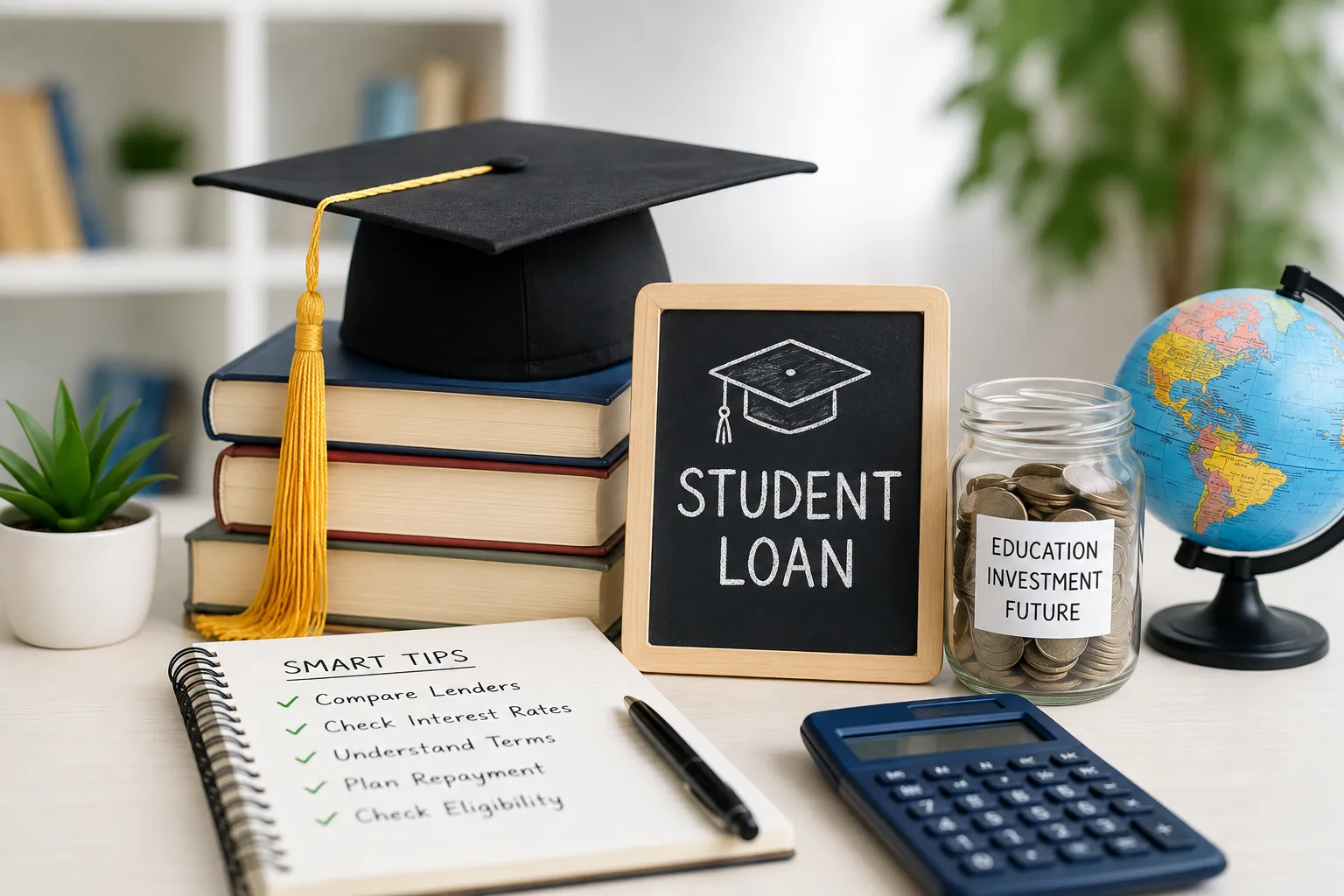
Imagine this.
You're a college student, and it's the middle of the semester. Your laptop suddenly stops working just before project submissions. Or maybe your hostel fee is due, an unexpected medical expense comes up, or you need money to travel home for an emergency.
You don't have a full-time job.
You don't receive a monthly salary.
So, a question naturally comes to mind:
Can college students get an instant personal loan without income proof?
The short answer is yes—but with certain conditions.
While getting a loan as a student is possible today, lenders still need confidence that the borrowed money can be repaid. Let's understand how it works and what options are available.
Can Students Apply for an Instant Personal Loan?
Yes, many lenders accept applications from students, but eligibility depends on several factors.
Unlike salaried applicants, students usually don't have regular income or salary slips. Because of this, lenders often assess the application differently.
Instead of looking only at income proof, they may also consider:
- Age
- Academic status
- Bank account activity
- Existing credit history (if any)
- Co-applicant or guarantor
- Scholarship or stipend income
- Part-time employment
- Overall financial profile
Every lender has its own eligibility criteria, so approval is never guaranteed.
Why Income Proof Matters
When someone applies for a personal loan, lenders want to know one thing:
Can this borrower repay the loan?
Income proof helps answer that question.
Most salaried applicants submit:
- Salary slips
- Bank statements
- Income tax returns
Students usually don't have these documents, which is why loan approval becomes more challenging.
However, many digital lenders now use alternative methods to assess repayment capacity.
What Alternatives Can Students Use?
If you don't have regular salary income, some lenders may accept other forms of financial information.
These may include:
- Scholarship payments
- Internship stipends
- Part-time income
- Freelancing income
- Regular financial support from parents or guardians
- Bank transaction history
Providing accurate financial information improves transparency during the application process.
Can a Co-Applicant Improve Approval Chances?
Yes.
Many students apply with a parent, guardian, or close family member as a co-applicant.
A co-applicant with stable income may improve the lender's confidence because repayment responsibility is shared according to the loan agreement.
This approach is commonly used for students who have little or no independent income.
Digital Lending Has Made Student Loans More Accessible
A few years ago, students had very limited borrowing options.
Today, many lenders offer an instant personal loan online through digital platforms.
The application process is often completed online using:
- Aadhaar Card
- PAN Card (where applicable)
- Mobile number verification
- Digital KYC
- Bank account verification
While the application is faster, lenders still evaluate eligibility before approving any loan.
Borrow Only What You Actually Need
One mistake many first-time borrowers make is applying for more money than required.
For example, if you only need ₹20,000 for educational expenses, borrowing ₹1 lakh simply because it's available may increase your repayment burden.
Before applying, ask yourself:
- How much do I actually need?
- How will I repay the loan?
- Can I comfortably manage the EMI?
Responsible borrowing starts with borrowing only what solves the problem.
Things Students Should Check Before Applying
Before accepting any loan offer, carefully review:
- Interest rate
- Processing fees
- Loan tenure
- EMI amount
- Total repayment cost
- Late payment charges
- Prepayment or foreclosure charges
Understanding the complete cost helps avoid unexpected financial stress later.
Common Mistakes Students Should Avoid
Many first-time borrowers make avoidable mistakes, including:
- Applying to multiple lenders at the same time
- Borrowing more than required
- Ignoring processing charges
- Accepting a loan without reading the terms
- Missing EMI payments
- Depending on future income without a repayment plan
Taking a little extra time before applying can help prevent long-term financial problems.
Frequently Asked Questions
Can a college student get a personal loan without a salary?
Yes. Some lenders consider alternative financial information such as scholarships, stipends, part-time income, or a co-applicant. Eligibility varies by lender.
Is income proof always mandatory?
Many lenders require proof of repayment capacity. The exact documents accepted depend on the lender and the type of loan.
Can students apply for an instant personal loan online?
Yes. Many digital lenders allow eligible applicants to complete the application process online through Digital KYC and document verification.
Will having a co-applicant help?
In many cases, yes. A co-applicant with stable income may improve the application's overall strength.
Should students borrow for non-essential expenses?
It's generally better to borrow only for genuine needs such as education, medical emergencies, or other important expenses.
Final Thoughts
Getting a personal loan without income proof can be more challenging for college students, but it isn't impossible.
Today's digital lending platforms evaluate more than just salary slips. Depending on the lender, factors such as scholarships, internships, bank activity, part-time income, or a co-applicant may also be considered during the assessment.
Before applying, compare lenders, understand the repayment terms, calculate your EMI, and borrow only what you genuinely need.
A loan can help you overcome a temporary financial challenge, but responsible borrowing is what protects your financial future and helps you build healthy credit habits from the beginning.
Frequently Asked Questions
Can college students get a personal loan without any income proof?
Yes, college students can obtain personal loans without traditional income proof. Many lenders consider alternative financial information such as scholarships, stipends, part-time jobs, or a co-applicant's income when assessing eligibility.
What types of financial information do lenders accept for student loans?
Lenders may accept various forms of financial information apart from salary slips, such as scholarship payments, internship stipends, part-time income, and bank transaction history. This helps them gauge the borrower's ability to repay the loan.
How does having a co-applicant affect my loan application?
Having a co-applicant can significantly improve your chances of loan approval. A co-applicant with a stable income reassures lenders about the repayment capacity, as the financial responsibility for the loan is shared.
Is it possible to apply for an instant personal loan online as a student?
Yes, many digital lenders offer the option to apply for an instant personal loan online. The application process typically includes Digital KYC and document verification, making it convenient for students.
What should students consider before borrowing money?
Before borrowing, students should evaluate their actual needs, repayment capability, and the terms of the loan, including interest rates, processing fees, and EMI amounts. Responsible borrowing ensures they do not face financial strain later.
Are there any common mistakes students make when applying for loans?
Yes, common mistakes include applying to multiple lenders simultaneously, borrowing more than necessary, ignoring processing charges, and not reading the loan terms carefully. Taking time to understand these factors can prevent future financial issues.
Why is income proof important for loan applications?
Income proof is crucial as it helps lenders assess whether the borrower can repay the loan. While students often lack traditional income documentation, many lenders now use alternative methods to evaluate repayment capacity.







Sign in to leave a comment.