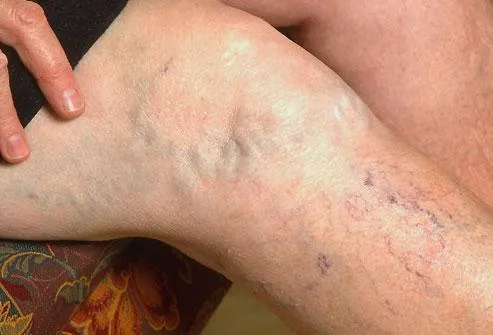


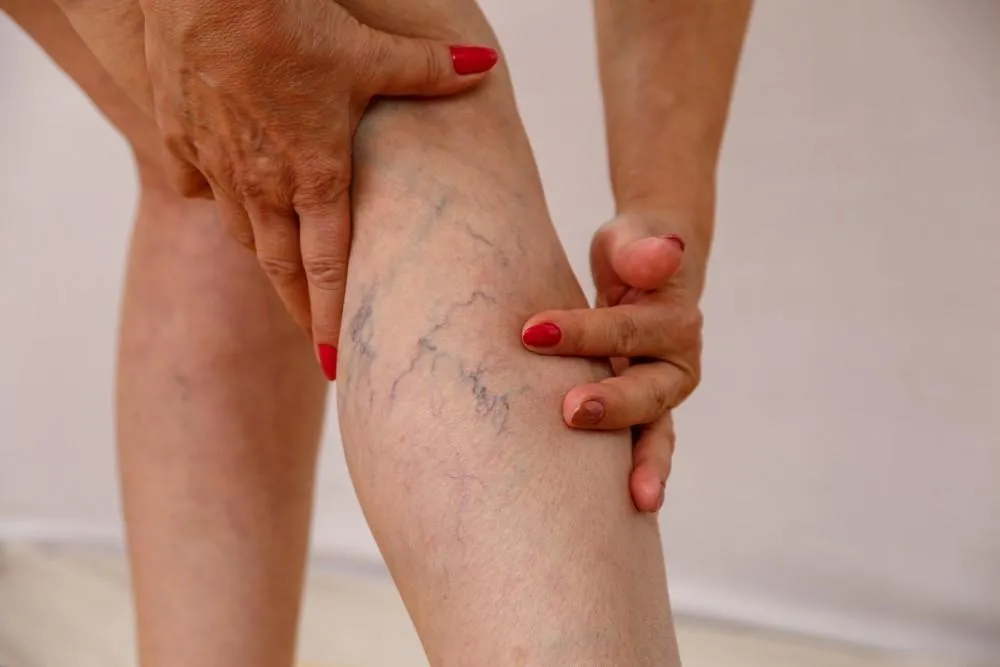
Varicose veins develop when veins, usually in the legs, have difficulty returning blood efficiently toward the heart. The condition can cause visible, enlarged veins along with symptoms such as aching, heaviness, swelling, itching, and leg fatigue. Several factors can influence these symptoms, including prolonged sitting or standing, age, pregnancy, genetics, body weight, and physical activity.
Hydration is another part of maintaining overall circulation. Although dehydration does not directly cause varicose veins, not drinking enough fluids may contribute to circumstances that make certain symptoms more noticeable. Understanding the relationship between hydration and vein health can help people make sensible choices for managing their legs and overall well-being.
What Causes Varicose Veins?
Healthy veins contain small valves that help blood travel in one direction, toward the heart. These valves close after blood passes through them, helping prevent backward flow.
When the valves become weak or damaged, blood can move backward and accumulate within the veins. This increases pressure inside the affected vessels, eventually causing them to become enlarged and twisted.
Several factors may increase the likelihood of developing varicose veins, including:
- Family history of venous disease
- Increasing age
- Pregnancy
- Prolonged sitting or standing
- Excess body weight
- Limited physical activity
- Previous injury or blood clot affecting the veins
Dehydration is not considered a primary cause of varicose veins. However, adequate fluid intake is important for maintaining normal body functions, including circulation.
How Does Dehydration Affect the Body?
Dehydration occurs when the body loses more fluid than it takes in. It can happen because of sweating, illness, exercise, hot weather, inadequate fluid intake, or certain medications.
Mild dehydration can cause symptoms such as thirst, dry mouth, fatigue, headache, darker urine, and reduced urination. More significant dehydration can affect blood volume and place additional stress on normal physiological processes.
Because circulation depends on an adequate amount of fluid within the bloodstream, staying hydrated is an important part of general cardiovascular health.
Can Dehydration Worsen Varicose Vein Symptoms?
There is no strong evidence that dehydration directly causes varicose veins or permanently makes the underlying valve problem worse. However, dehydration can contribute to symptoms that may overlap with or intensify the discomfort experienced by people with existing vein problems.
For example, inadequate fluid intake may be associated with muscle cramps, particularly during periods of heat, exercise, or prolonged physical activity. People with varicose veins may already experience leg fatigue or nighttime cramps, so dehydration can potentially make these sensations more uncomfortable.
Dehydration can also occur alongside situations that encourage vein symptoms, such as spending long periods outdoors in hot weather or exercising without adequate fluid replacement.
The important distinction is that drinking more water cannot repair damaged vein valves. Hydration should therefore be viewed as one supportive habit rather than a treatment for varicose veins.
Hydration and Leg Cramps
Leg cramps are sudden, involuntary muscle contractions that can occur for many reasons. Dehydration and electrolyte imbalances are among the factors that may contribute to muscle cramping.
People with varicose veins sometimes report nighttime leg discomfort or cramps. If these symptoms occur regularly, it is important not to assume that dehydration is the only explanation.
Persistent cramps can have several possible causes, including muscle fatigue, medication effects, mineral imbalances, nerve problems, and circulation-related conditions. Recurrent or severe symptoms should be discussed with a healthcare professional.
Does Drinking More Water Improve Circulation?
Adequate hydration supports normal physiological functions, but it should not be confused with a treatment for venous insufficiency.
The primary problem in many cases of varicose veins is dysfunctional valves that allow blood to flow backward. Drinking water does not restore these valves to normal function.
Nevertheless, maintaining adequate hydration is a sensible part of a healthy lifestyle. It works alongside other habits that can support circulation, such as regular movement, balanced nutrition, and maintaining a healthy body weight.
Why Movement Is Important for Varicose Veins
The calf muscles play an important role in helping blood move upward from the legs toward the heart. When the calf muscles contract during walking or other activities, they help push blood through the veins.
Long periods of inactivity can reduce this muscle-pump activity and contribute to blood pooling in the lower legs.
Simple habits can therefore be useful:
- Take regular walking breaks during long periods of sitting.
- Avoid remaining in one position for several hours.
- Perform gentle ankle movements while seated.
- Elevate the legs when resting if recommended.
- Choose regular low-impact activities such as walking, cycling, or swimming.
These measures may help manage symptoms, although they do not correct damaged venous valves.
Staying Hydrated in Hot Weather
People living in warm climates may need to pay particular attention to fluid intake because sweating can increase fluid loss.
Heat can also make the legs feel more uncomfortable in people who already experience venous symptoms. Some individuals notice increased swelling, heaviness, or fatigue during hot weather.
Drinking fluids regularly, limiting excessive heat exposure, and taking movement breaks can support general comfort. Individuals who exercise or spend significant time outdoors may need additional fluids depending on their activity level, temperature, and individual needs.
People with medical conditions that require fluid restriction should follow the guidance provided by their healthcare professional rather than increasing fluid intake independently.
What Other Habits Can Help Manage Symptoms?
Hydration is only one part of a broader approach to vein health. Several everyday habits may help reduce discomfort associated with varicose veins.
Regular physical activity encourages the calf-muscle pump and supports circulation. Maintaining a healthy body weight can reduce pressure on the lower-body venous system. Avoiding prolonged periods of standing or sitting can also help minimize blood pooling.
Compression garments may be recommended for some people to help manage swelling and discomfort. However, they are not appropriate for everyone, particularly individuals with certain arterial circulation problems, so professional guidance may be appropriate before using them.
When Should Varicose Veins Be Evaluated?
Mild varicose veins do not always require immediate treatment. However, medical evaluation may be appropriate when symptoms become persistent, worsen over time, or interfere with normal activities.
A Vascular Surgeon in Sugarland can evaluate symptoms and determine whether an underlying venous condition is contributing to leg discomfort, swelling, or visible vein changes.
A healthcare professional may perform a physical examination and, when appropriate, recommend duplex ultrasound imaging. This test can assess blood flow and identify problems such as venous reflux.
What About Non-Healing Wounds?
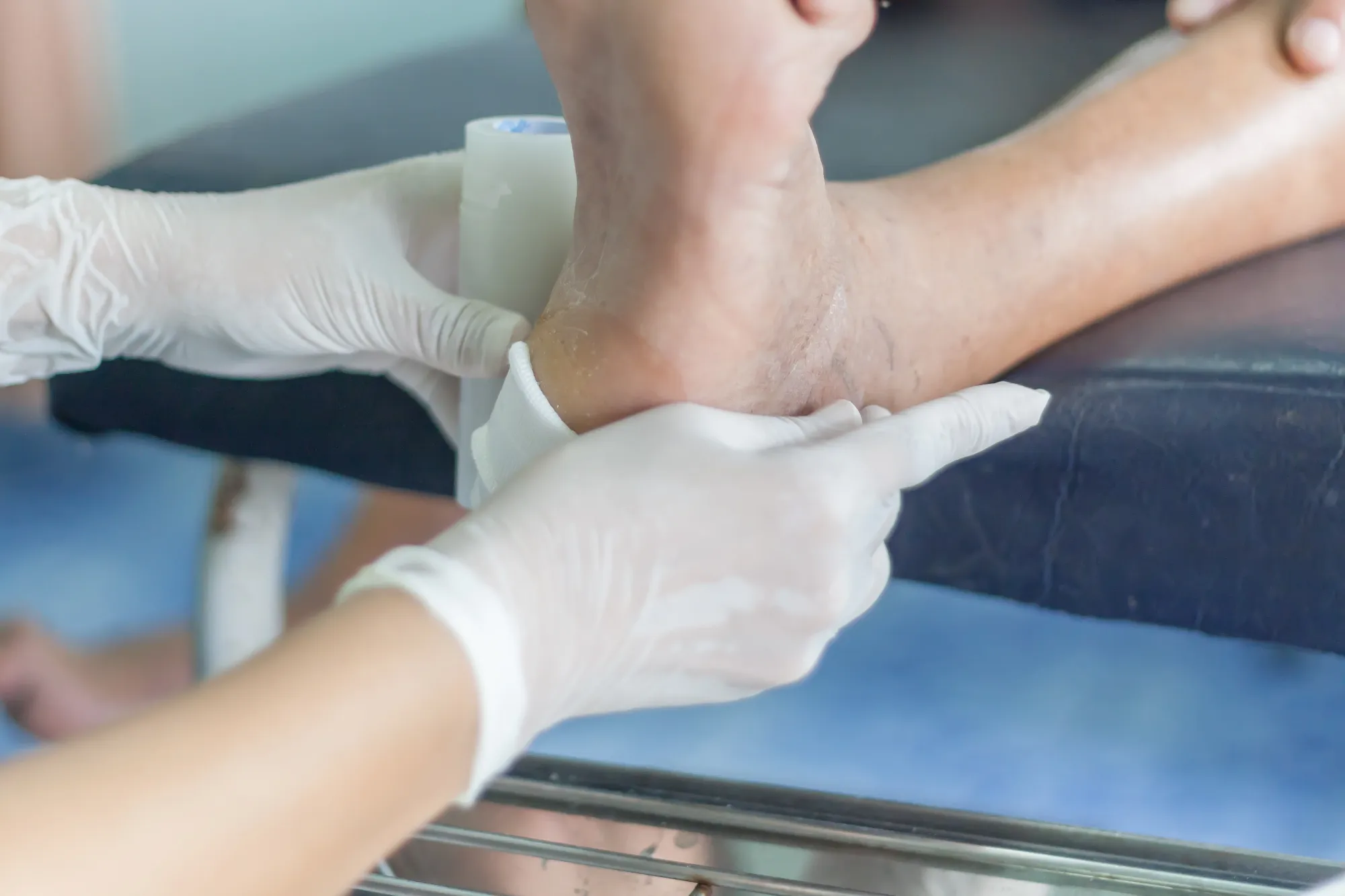
Advanced venous disease can sometimes contribute to skin changes and wounds around the lower legs and ankles. These wounds may be slow to heal because chronic venous pressure can interfere with normal tissue health.
If a wound persists, grows, becomes painful, develops drainage, or shows other concerning changes, it should be medically assessed rather than managed solely with home remedies.
Specialized assessment at a Wound Care Center in Sugarland may be appropriate when chronic wounds are associated with circulation problems or other underlying conditions.
When Is Leg Swelling an Emergency?
Not all swelling is caused by varicose veins. Sudden swelling, particularly when it affects one leg and occurs with pain, warmth, redness, or tenderness, can have causes that require urgent medical assessment.
A blood clot in a deep vein, known as deep vein thrombosis, can cause these symptoms. Shortness of breath, chest pain, coughing up blood, or sudden difficulty breathing alongside leg symptoms requires emergency medical attention.
People should not attempt to determine the cause of sudden or severe symptoms based solely on hydration or the appearance of varicose veins.
Final Thoughts
Dehydration does not directly cause varicose veins, and drinking additional water cannot repair damaged vein valves. However, adequate hydration supports normal body functions and may help reduce factors associated with muscle cramps and general discomfort.
For people with varicose veins, hydration works best as part of a broader healthy routine that includes regular movement, appropriate weight management, avoiding prolonged inactivity, and paying attention to changes in symptoms.
Persistent swelling, increasing pain, skin changes, bleeding veins, or slow-healing wounds should be evaluated by a healthcare professional. Understanding the underlying cause of symptoms is more important than assuming that dehydration or another single lifestyle factor is responsible.
By staying appropriately hydrated and maintaining healthy daily habits, individuals can support their overall circulation while seeking professional guidance when varicose vein symptoms become persistent or progressively worse.
























Sign in to leave a comment.