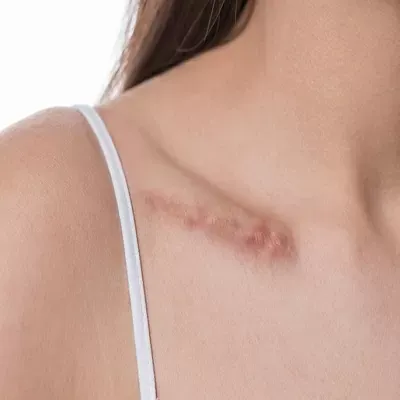

Travel plans rarely wait for a healing wound. A family visit, a work trip, or a holiday in the northern areas may already be booked when you decide to treat a scar. If you are planning Surgical Scar Revision in Islamabad, it is sensible to ask how soon you can safely leave the city, drive long distances, or board a flight. The answer depends on the size of the procedure, the location of the scar, and how your wound is healing. This article explains the main considerations so you can plan with confidence.
Why Travel Matters for a Fresh Wound
A new surgical wound is at its most fragile in the first two weeks. Stitches are still holding the edges together, swelling is at its peak, and the skin has little strength. Long journeys add several risks at once: sitting still for hours, stretching or compressing the area, exposure to dust and heat, and distance from your surgeon if a problem appears. Understanding these risks does not mean you must stay home, but it helps you decide when and how to travel.
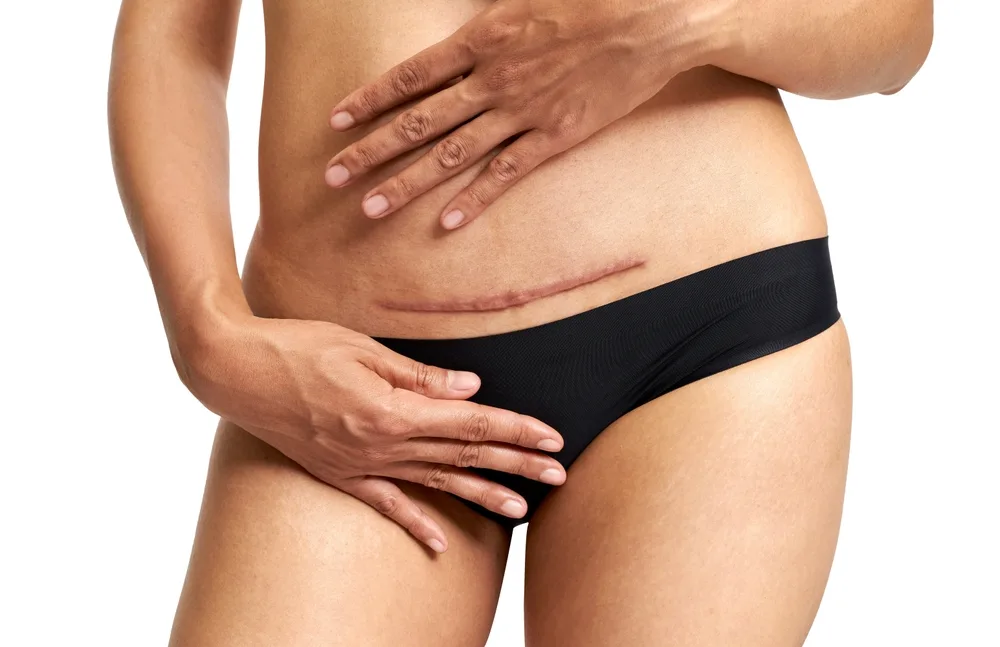
Short Trips Within the City
For a small scar treated under local anesthesia, most people can go home the same day and move around gently within a day or two. Short car rides are usually fine, provided the seat belt or your clothing does not press on the wound. If you were sedated, someone else must drive you, and you should not drive for at least a day. Always ask your surgeon about driving, because pulling a steering wheel can strain scars on the shoulder, chest, or abdomen.
Long Road Journeys
A long drive to another city or to the mountains can be tiring and uncomfortable. Sitting for hours strains scars on the abdomen, back, and thighs, and bumpy roads add repeated jolts. Most surgeons advise postponing long road trips for at least two weeks, and longer after larger procedures. If travel cannot be avoided, take frequent breaks, support the area with a soft cushion, and keep your dressing clean and dry throughout the journey.
Flying After Scar Revision
Air travel brings its own concerns. Cabin pressure and long sitting increase swelling, and the risk of blood clots in the legs rises slightly after surgery, especially after longer procedures under general anesthesia. For minor procedures, many surgeons allow short flights after about a week, while larger operations may need three to six weeks. Ask for specific advice, since the right timing depends on your health and the size of the operation.
Reducing Risks During a Flight
If you do fly, small habits help. Walk the aisle every hour, flex your ankles while seated, drink plenty of water, and wear loose clothing that does not press on the scar. Compression stockings may be recommended for leg or abdominal procedures. Carry your medicines and a spare dressing in your hand luggage, and keep your surgeon's contact details handy. Avoid lifting heavy bags yourself, since that can strain the wound.
Sun, Heat, and Altitude
Mountain trips and beach holidays expose fresh scars to strong sunlight, which can darken them permanently. Altitude increases ultraviolet exposure, and hot, humid weather raises the risk of irritation and infection under dressings. It is wise to avoid such destinations for several months after surgery. If you must go, cover the scar with clothing or a bandage, use sunscreen once the wound is closed, and avoid swimming until your surgeon agrees.
Swimming and Water Activities
Pools, rivers, and the sea are not suitable for a healing wound. Chlorine can irritate, and natural water carries bacteria. Most surgeons ask you to avoid swimming until the wound is fully closed and stitches are out, often three to four weeks or more. After that, rinse well, dry the area, and moisturize. Do not soak in hot springs or baths until the skin has fully healed.
Planning Follow-Up When You Are Away
Follow-up visits matter, so schedule your travel around them. If you must be away during a key checkpoint, such as stitch removal, ask whether a local doctor can remove the stitches and send a report. Take photographs of the scar at regular intervals and share them with your surgeon by message if something concerns you. Never ignore fever, spreading redness, or discharge while traveling.
A Quick Travel Checklist
Before you book, confirm the following:
- Your surgeon has approved the dates and mode of travel.
- Dressings, medicines, and sun protection are packed.
- Stitch removal and follow-up visits are arranged.
Final Thoughts
Short local trips are usually fine soon after small procedures, but long drives, flights, and sunny holidays are best delayed until the wound has closed and the scar has begun to settle. Plan travel with your surgeon, protect the area from sun and strain, and keep your follow-up schedule intact. A consultation is the best time to share your calendar, so the timing of surgery fits your plans and not the other way round.





















Sign in to leave a comment.