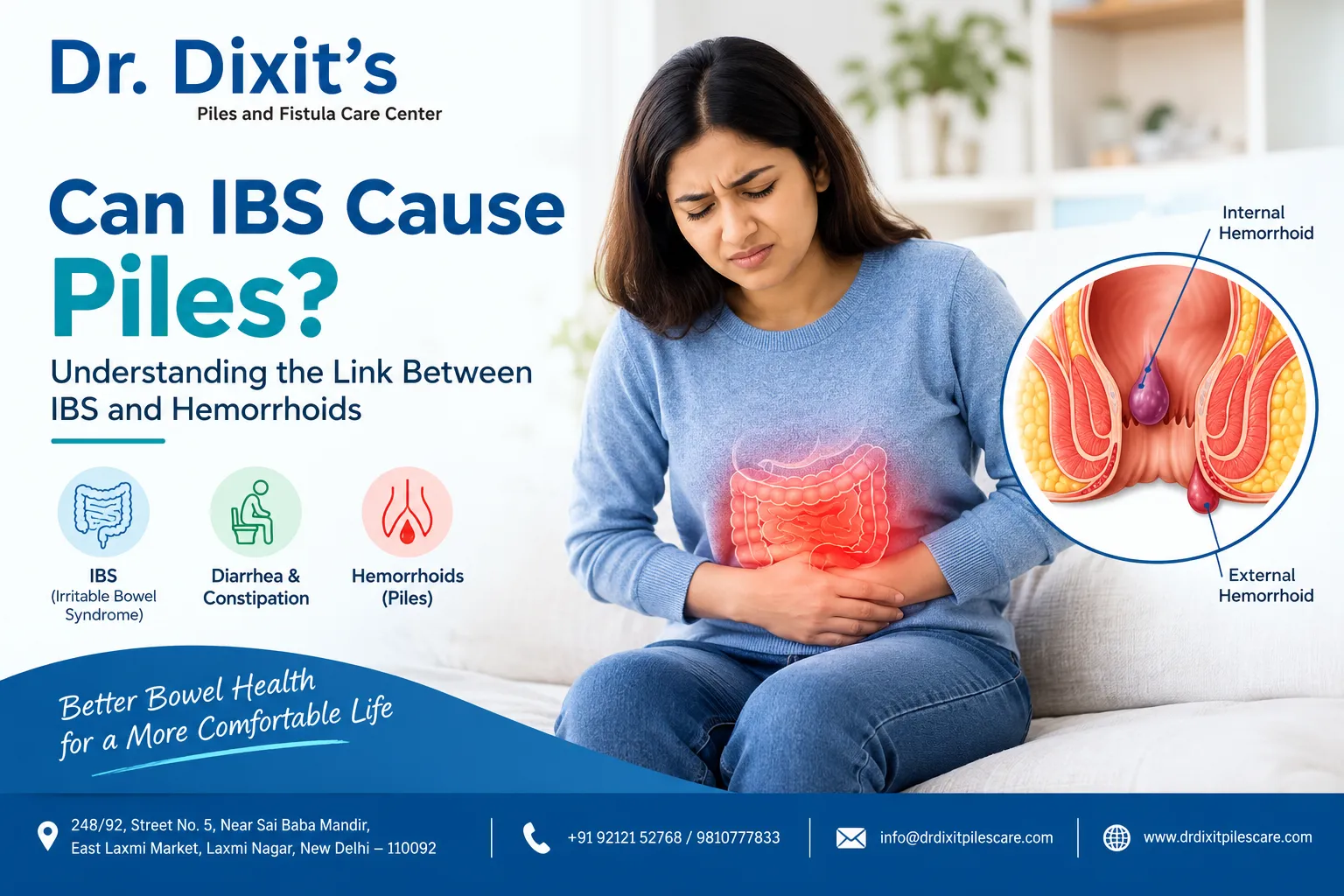

Digestive problems can sometimes feel like they are all connected. If you experience irritable bowel syndrome (IBS), you may notice frequent diarrhea, constipation, urgency, repeated trips to the toilet, or changes in your bowel habits. Over time, these symptoms can also affect the sensitive tissues around the anus.
This raises an important question: Can IBS cause piles?
IBS does not directly cause piles, medically known as hemorrhoids. However, some bowel habits associated with IBS—particularly repeated diarrhea, constipation, straining, and prolonged toilet visits—can contribute to hemorrhoid irritation or make existing piles more uncomfortable. Research and clinical guidance recognize both chronic diarrhea and constipation as factors associated with hemorrhoids.
Understanding the connection can help you manage bowel symptoms while reducing unnecessary pressure and irritation around the anal area.
What Is IBS?
Irritable bowel syndrome is a common digestive disorder involving recurring abdominal pain along with changes in bowel movements. Depending on the individual, IBS may involve diarrhea, constipation, or alternating episodes of both. Bloating and the sensation of incomplete bowel evacuation can also occur.
IBS is considered a disorder of gut-brain interaction. It can affect how sensitive the digestive tract is and how the muscles of the bowel contract. Importantly, IBS itself does not cause visible damage to the digestive tract.
Common IBS symptoms include:
- Abdominal pain or cramping
- Diarrhea or loose stools
- Constipation or hard stools
- Alternating diarrhea and constipation
- Bloating and gas
- An urgent need to use the toilet
- A feeling that the bowel has not completely emptied
Because these symptoms can change from day to day, people with IBS may develop frequent or prolonged toilet habits that can indirectly affect hemorrhoids.
What Are Piles or Hemorrhoids?
Piles are another name for hemorrhoids. They are swollen and inflamed veins in or around the anus and lower rectum. Hemorrhoids can be internal or external, depending on where they develop.
Symptoms can vary depending on the type. Internal hemorrhoids may cause bright-red rectal bleeding, while external hemorrhoids can cause itching, tenderness, pain, or a lump near the anus.
Common factors associated with hemorrhoids include:
- Straining during bowel movements
- Chronic constipation
- Chronic or frequent diarrhea
- Spending a long time sitting on the toilet
- A low-fiber diet
- Pregnancy
- Aging
- Repeated heavy lifting
This is where IBS and hemorrhoids can overlap.
Can IBS Cause Piles?
The short answer is IBS does not directly cause piles, but IBS-related bowel habits may increase the risk of developing or aggravating hemorrhoids.
For example, someone with IBS may experience frequent diarrhea and repeated bowel movements. Frequent wiping, cleaning, and irritation around the anus may make the area uncomfortable. Similarly, a person with constipation-predominant IBS may strain to pass hard stools, increasing pressure around the hemorrhoidal blood vessels.
Therefore, the relationship between IBS and piles is generally indirect.
How IBS Diarrhea May Affect Hemorrhoids
The phrase IBS diarrhea hemorrhoids is relevant because frequent loose bowel movements can place repeated stress on the anal area.
When diarrhea occurs, you may:
- Visit the toilet repeatedly throughout the day
- Wipe or clean the anal area more often
- Spend longer periods in the bathroom
- Experience irritation or soreness around the anus
- Develop or aggravate existing hemorrhoid symptoms
Clinical references identify chronic diarrhea as one of the factors associated with hemorrhoids.
However, it is important not to assume that every episode of diarrhea is caused by IBS. Diarrhea can have many causes, including infections, food intolerances, medications, and other digestive conditions.
How IBS Constipation May Affect Piles
IBS can also involve constipation. Hard, dry, or difficult-to-pass stools may encourage straining during bowel movements.
Repeated straining can increase pressure in the veins around the anus and may worsen hemorrhoid symptoms. Spending a long time sitting on the toilet can also contribute to the problem.
This creates a cycle for some people:
IBS symptoms → constipation or diarrhea → altered toilet habits → anal irritation or straining → aggravated hemorrhoid symptoms.
Breaking this cycle often requires addressing both the bowel problem and the hemorrhoid symptoms rather than focusing on only one.
IBS and Hemorrhoids: How to Reduce the Risk
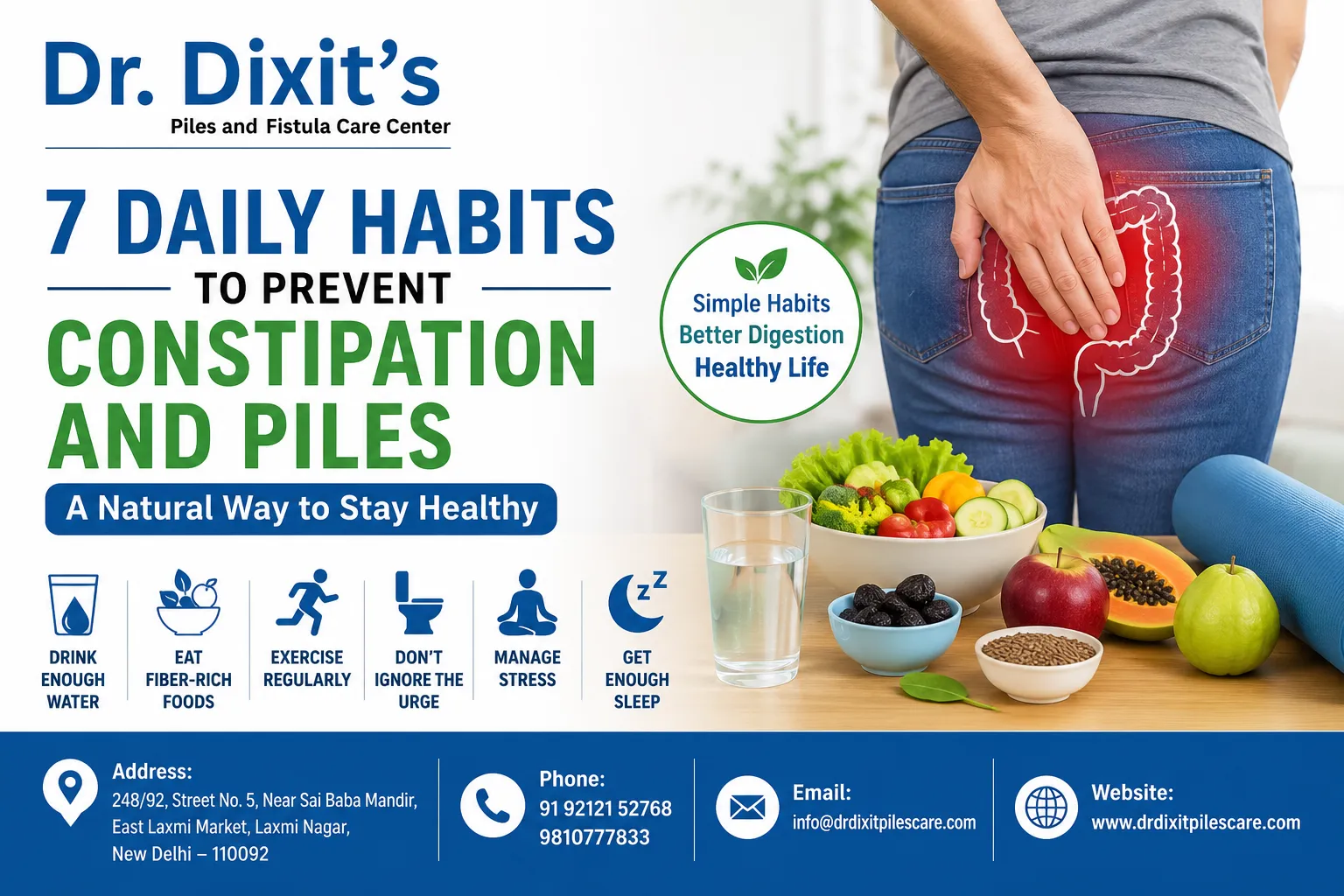
If you experience both IBS symptoms and piles, small changes to your bowel habits can make a meaningful difference.
1. Avoid Straining
Do not force a bowel movement when stool is difficult to pass. Excessive straining can place additional pressure on the anal area.
Give yourself enough time to use the toilet, but avoid sitting there unnecessarily for long periods.
2. Pay Attention to Your Fiber Intake
Fiber can help make stools easier to pass and is commonly recommended for hemorrhoid prevention and management. However, people with IBS may respond differently to various types and amounts of fiber. Soluble fiber may be better tolerated by some people with IBS than certain sources of insoluble fiber.
If increasing fiber makes your bloating or bowel symptoms worse, speak with a doctor or qualified dietitian rather than making major dietary changes on your own.
3. Stay Adequately Hydrated
Adequate fluid intake can support softer stools, particularly when increasing dietary fiber. Your individual fluid needs can vary according to health, activity level, climate, and other factors.
4. Avoid Prolonged Toilet Sitting
Reading or using your phone while sitting on the toilet can unintentionally extend bathroom time.
Try to use the toilet when you have the urge and avoid staying longer than necessary.
5. Identify Your IBS Triggers
Keeping a simple food and symptom diary can help you identify patterns. You may notice that certain foods, eating patterns, stress, or other lifestyle factors are associated with your symptoms.
IBS management may include dietary adjustments, physical activity, adequate sleep, stress management, medications, and other approaches recommended by a healthcare professional.
How Are IBS and Hemorrhoids Treated?
Treatment depends on which condition is causing the symptoms and how severe they are.
For hemorrhoids, conservative measures may include increasing suitable fiber intake, maintaining adequate hydration, avoiding straining, and reducing prolonged toilet sitting. Warm sitz baths may also help relieve discomfort.
Persistent or more severe hemorrhoids may require medical evaluation and, depending on the diagnosis, office-based or surgical treatment.
IBS treatment is different because the goal is generally to control the digestive symptoms and identify an appropriate long-term management strategy. Dietary changes, lifestyle modifications, medicines, probiotics, and other treatments may be considered depending on the individual's symptoms.
This is why it is important not to treat every episode of rectal discomfort as "just piles."
When Should You See a Doctor?
Rectal bleeding should not automatically be attributed to hemorrhoids or IBS.
According to the National Institute of Diabetes and Digestive and Kidney Diseases, rectal bleeding can occur with hemorrhoids but may also be associated with other gastrointestinal conditions.
Seek medical advice if you experience:
- Rectal bleeding
- Persistent or worsening anal pain
- A new lump around the anus
- Symptoms that do not improve with self-care
- Persistent diarrhea or constipation
- Unexplained weight loss
- Severe abdominal pain
- Fever or significant weakness
Urgent medical evaluation is particularly important when severe anal pain occurs together with rectal bleeding, abdominal discomfort, diarrhea, or fever.
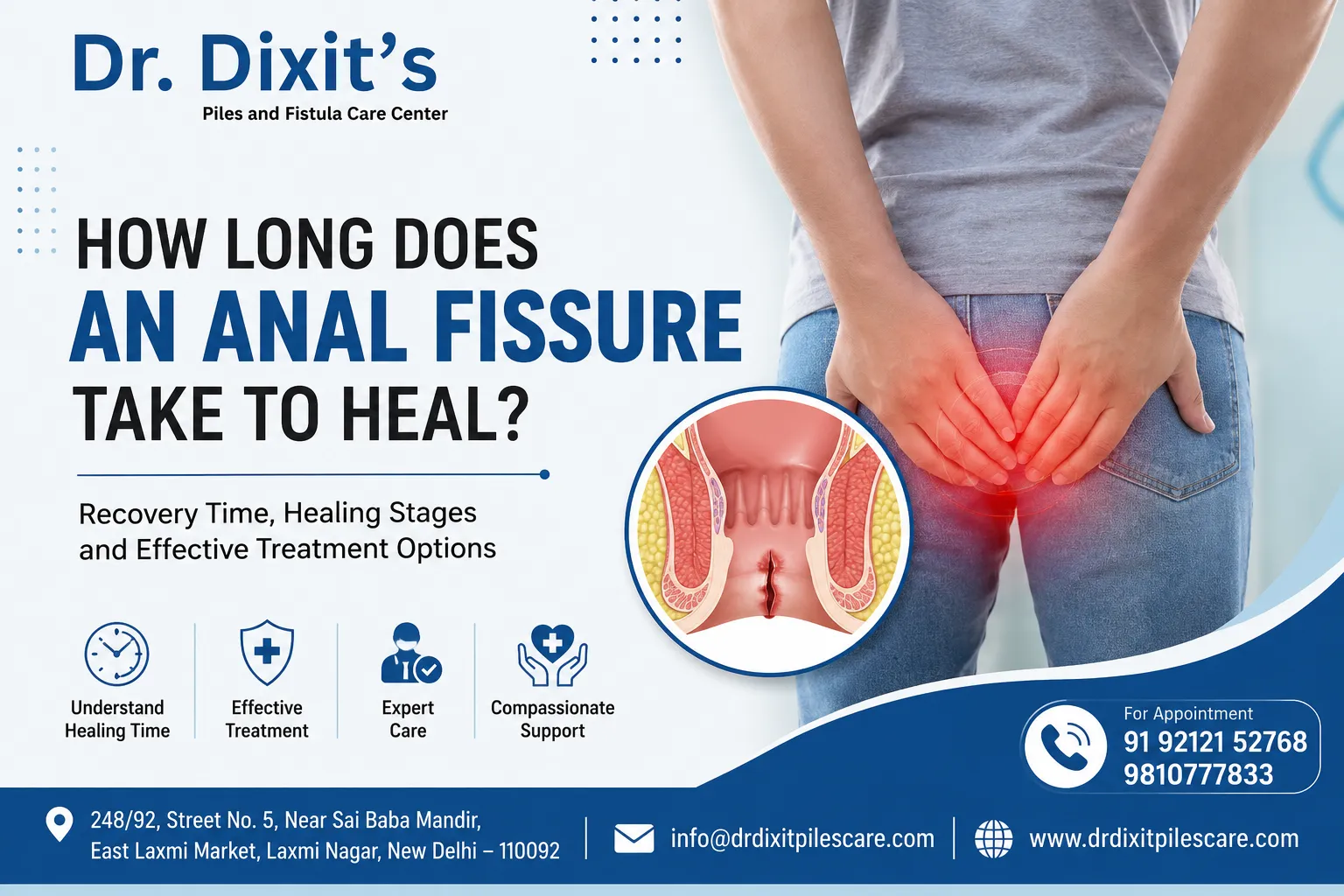
A proper examination can help determine whether the symptoms are actually caused by hemorrhoids, IBS, an anal fissure, or another digestive condition.
Can Treating IBS Help Prevent Piles?
Managing IBS may indirectly help reduce some of the bowel habits that aggravate hemorrhoids.
For example, if constipation is controlled, there may be less straining. If frequent diarrhea is brought under control, there may be fewer bowel movements and less repeated irritation around the anus.
However, treating IBS does not automatically eliminate hemorrhoids. Existing piles may still require separate evaluation and treatment.
The most useful approach is to look at the complete picture: bowel frequency, stool consistency, toilet habits, diet, hydration, symptoms, and any signs that require medical assessment.
Conclusion
So, can IBS cause piles? Not directly—but the bowel changes and toilet habits associated with IBS can contribute to hemorrhoid irritation and may worsen existing piles. Both frequent diarrhea and constipation can be relevant, making effective bowel management an important part of protecting anorectal health.
If you regularly experience rectal bleeding, persistent anal discomfort, recurrent piles, or unexplained changes in bowel habits, do not rely solely on self-treatment. Getting an accurate diagnosis can help you address the underlying problem and choose an appropriate treatment plan.
For professional evaluation and guidance related to piles and other anorectal conditions, readers can explore Dr. Dixit’s Piles and Fistula Care Centre and learn more about available piles care and treatment options.
Frequently Asked Questions
Can IBS directly cause hemorrhoids?
No. IBS does not directly cause hemorrhoids. However, IBS-associated constipation, diarrhea, straining, frequent bowel movements, and prolonged toilet sitting can contribute to hemorrhoid irritation or aggravate existing piles.
Can IBS diarrhea cause piles?
Frequent diarrhea associated with IBS may contribute to hemorrhoid irritation because of repeated bowel movements, wiping, cleaning, and anal-area irritation. Chronic diarrhea is also recognized as a factor associated with hemorrhoids.
Can constipation from IBS worsen piles?
Yes. Constipation can lead to hard stools and straining, both of which can increase pressure around the anal veins and worsen hemorrhoid symptoms.
How can I prevent piles if I have IBS?
Focus on managing your IBS symptoms, avoiding unnecessary straining, limiting prolonged toilet sitting, maintaining suitable fiber intake, and staying adequately hydrated. Because IBS triggers vary, dietary changes should be individualized.
Is rectal bleeding always caused by piles?
No. Hemorrhoids can cause bright-red rectal bleeding, but other digestive conditions can also cause bleeding. Persistent or unexplained rectal bleeding should be evaluated by a healthcare professional.
Should I see a doctor for IBS and piles?
If symptoms are persistent, recurrent, painful, associated with bleeding, or interfering with daily life, professional evaluation is appropriate. A doctor can determine whether you have hemorrhoids, IBS, another anorectal condition, or a combination of problems.





















Sign in to leave a comment.