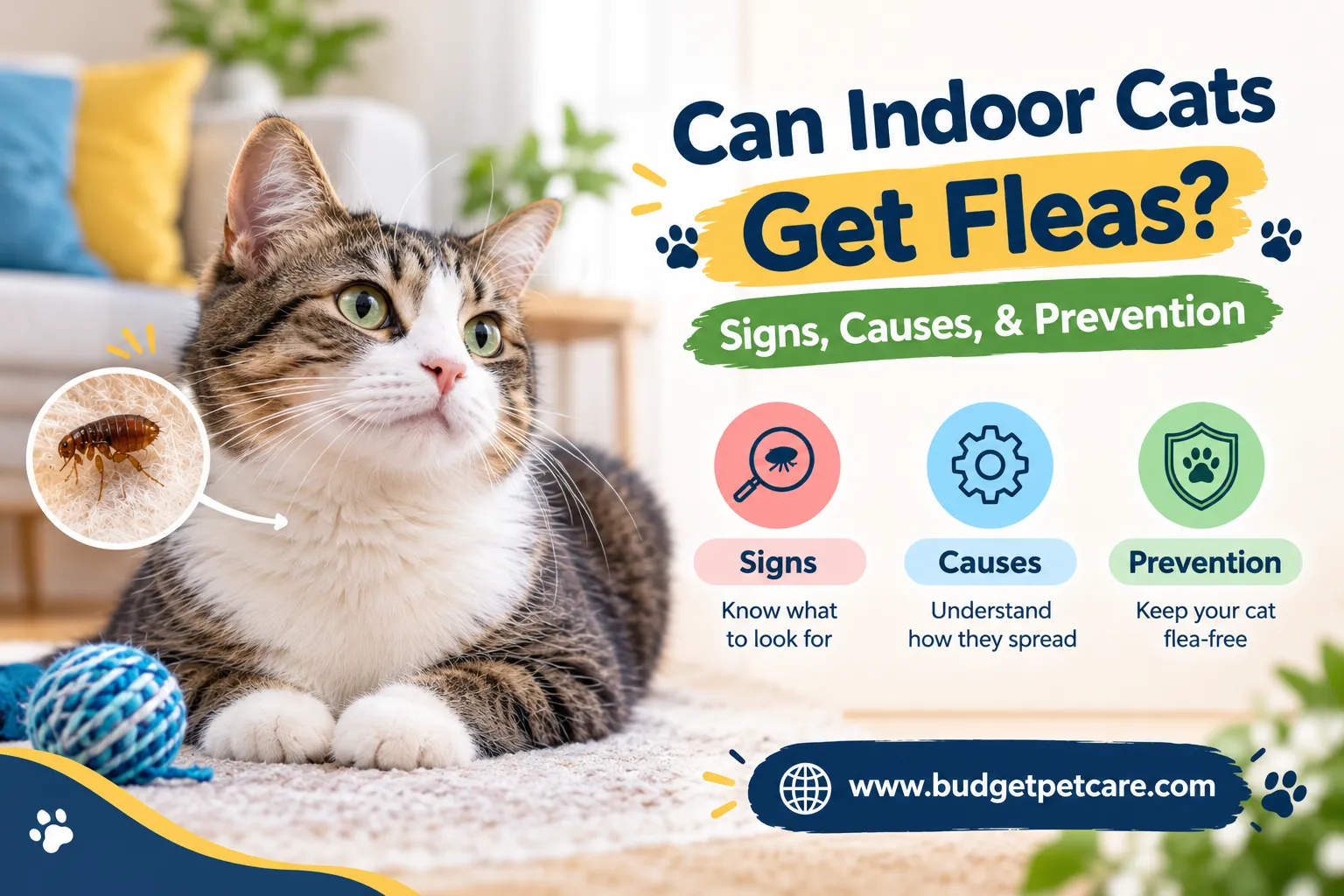

It is a common scenario that frustrates many pet parents: your cat never sets a single paw outside, yet somehow, they are scratching endlessly. This leads to the inevitable, confusing question: can indoor cats get fleas?
The short answer is yes, strictly indoor cats can and do get fleas.
Fleas are incredibly resilient parasites and expert hitchhikers. Because they feed on blood to survive and reproduce, they will use any method necessary to find a host. Understanding how these pests enter your home is the first step in keeping your feline friend comfortable and itch-free.
Here is exactly how indoor cats end up with fleas, how to spot an infestation early, and the best ways to keep your home pest-free.
How Do Indoor Cats Get Fleas?
Fleas do not need an open door or an outdoor adventure to reach your cat. Several everyday situations can introduce them into an otherwise clean home.
1. Other pets bring fleas inside
If your household includes a dog or another cat that spends time outdoors, that pet may carry fleas indoors. The parasites can then spread through shared resting areas, carpets, and furniture.
Even when pets do not spend much time together, they can encounter the same contaminated environment.
2. Fleas hitchhike on clothing and belongings
Fleas can occasionally enter a home on clothing, bags, or other items that have been in an infested environment. Although this is not the only or necessarily the most common route, it is one reason indoor-only cats are not completely protected.
3. Flea eggs and immature stages are already in the home
An infestation can continue even after adult fleas become less noticeable. Flea eggs may fall from an infested animal into bedding, rugs, or other resting areas. The larvae and pupae develop in the environment, and new adult fleas can emerge later.
This explains why a cat may appear flea-free for a while and then start scratching again. The problem may be coming from the home rather than a new outdoor exposure.
4. Visitors and shared spaces can introduce parasites
A visiting pet, a shared pet carrier, or contact with an area previously used by an infested animal can create opportunities for fleas to spread. Veterinary visits and grooming appointments are not automatically unsafe, but they are situations where checking your cat afterward can be sensible.
Remember: A flea problem does not mean your home is dirty or that you have failed to care for your cat. Fleas are small, adaptable parasites that can be difficult to detect until their numbers increase.
What Are the Signs of Fleas on an Indoor Cat?
Not every cat reacts to flea bites in the same way. Some develop obvious itching, while others show only subtle changes. Look for the following signs when checking your cat.
Frequent scratching, licking, or biting
A cat that repeatedly scratches its neck, grooms its belly, or bites at the skin near its tail may be reacting to flea bites. Some cats develop flea allergy dermatitis, an allergic skin reaction that can cause intense itching even when only a few fleas are present.
Itching can also result from allergies, mites, or other skin problems, so scratching alone does not confirm fleas.
Black specks in the fur
Flea dirt is the name for flea droppings, which contain digested blood. It often looks like tiny black or dark-brown grains resembling ground pepper.
To check, gently run a fine-toothed flea comb through your cat's coat, paying attention to the neck, back, and base of the tail. Collect any dark specks on a damp white paper towel. Flea dirt may leave reddish-brown marks as it gets wet.
Hair loss, scabs, or irritated skin
Repeated scratching and licking can damage the skin and break hairs, leaving thin patches or bald areas. Small crusty bumps, redness, and scabs may also appear, particularly around the neck, back, and tail base.
Do not assume that every bald patch is caused by fleas. Persistent skin changes deserve veterinary assessment.
Restlessness or unusual grooming habits
Your cat may groom more often, seem uncomfortable while resting, or suddenly interrupt play to scratch. These behavioral changes are easy to overlook because cats naturally spend considerable time grooming.
Pay attention when the behavior is new, persistent, or accompanied by visible skin irritation.
Visible fleas
Adult fleas are small, dark, fast-moving insects that may be difficult to spot in a dense coat. Part the fur gently and examine the skin in good light. A flea comb can help catch insects that might otherwise escape notice.
Not finding a live flea does not rule out an infestation, especially in cats that groom frequently.
How to Check Your Indoor Cat for Fleas at Home
A short, gentle examination can help you identify possible signs without upsetting your cat.
- Choose a calm moment. Let your cat settle somewhere comfortable with good lighting.
- Examine common hiding areas. Part the fur around the neck, back, belly, and base of the tail.
- Use a flea comb. Draw the comb carefully through the coat, checking its teeth after each pass.
- Inspect any dark specks. Place them on a damp white paper towel and look for reddish-brown staining that may indicate flea dirt.
- Check favorite resting places. Look at bedding, blankets, rugs, and upholstered furniture for signs of flea activity.
If your cat becomes distressed, stop and try again later. A veterinarian can help confirm the cause if the signs are unclear or the itching continues.
How to Prevent Fleas in Indoor Cats
The secret to managing fleas is stopping them before they start reproducing. A single female flea can lay up to 50 eggs a day, meaning a minor issue can become a full-blown home infestation in just a few weeks.
1. Maintain Year-Round Protection
The most reliable way to protect an indoor cat is to keep them on a consistent, year-round preventative schedule. Whether you prefer easy-to-apply topical drops or oral chewables, using quality cat flea and tick treatments ensures that even if a stray flea makes it into your living room, it cannot survive or reproduce on your cat.
2. Treat All Household Pets
If you have a dog and a cat, treating just the dog isn't enough. Fleas will simply jump from the treated dog onto your unprotected indoor cat. Every furry pet in the house must be on preventative treatment simultaneously.
3. Keep Your Home Clean
Regular vacuuming is your best physical defense against flea eggs and larvae. Vacuum your carpets, rugs, and fabric furniture at least once a week. Make sure to immediately empty the vacuum canister or throw away the bag in an outside trash can so the fleas don't crawl right back out. Wash your cat's bedding—and your own, if they sleep with you—in hot water regularly.
4. Secure Your Home's Perimeter
Check your window screens for tears and seal up any cracks around doors or foundations to prevent rodents and stray animals from bringing pests close to your indoor space.
What Should You Do If Your Indoor Cat Has Fleas?
If you find fleas or strong evidence of their presence, address both your cat and the environment. Treating only the visible adult fleas may not resolve the problem because immature stages can remain in the home.
Start with these steps:
- Contact your veterinarian to choose an appropriate flea treatment and confirm the correct application schedule.
- Follow the treatment directions carefully. Do not combine products or repeat doses early unless a veterinarian advises you to do so.
- Clean your cat's environment by washing bedding and vacuuming carpets, rugs, upholstery, and resting areas.
- Check other household pets and arrange suitable treatment or prevention for them when recommended.
- Continue monitoring because additional adult fleas may emerge as immature stages develop.
A flea infestation may take time to control fully. If scratching continues, new fleas keep appearing, or your cat develops sores, seek veterinary advice rather than repeatedly changing products.
Kittens, elderly cats, and cats that are weak or unwell may need particular care. Heavy flea infestations can cause anemia, especially in young animals. Pale gums, marked weakness, or difficulty breathing warrant urgent veterinary attention.
Frequently Asked Questions
Can indoor cats get fleas if they never go outside?
Yes. Fleas can enter on other pets, clothing, belongings, or through an environment where flea stages are already present. Indoor living reduces some exposure risks but does not eliminate them.
Can indoor cats get fleas in winter?
Yes. Fleas may continue developing indoors when temperatures and other conditions are suitable. Winter is not a reliable reason to stop a veterinarian-recommended prevention routine.
Can I tell if my cat has fleas by looking at its skin?
Sometimes. You may see live fleas, flea dirt, redness, scabs, or areas of hair loss. However, cats often groom away visible evidence, so a flea comb and careful examination can be more helpful than a quick look.
Can fleas live in carpets and furniture?
Yes. Flea eggs can fall from an animal into the surrounding environment, where immature stages develop. Carpets, upholstery, bedding, and other resting areas may support the flea life cycle, which is why environmental cleaning matters during an infestation.
Do I need to treat my home if my indoor cat has fleas?
You may need to address the home as well as your cat. Frequent vacuuming and washing bedding can help, while a more established infestation may require additional measures. Use household flea-control products only as directed, keep pets away from treated areas as instructed, and seek professional advice if needed.
Can I use my dog's flea treatment on my cat?
No, not unless a veterinarian has specifically confirmed that the product is safe for your cat. Some dog flea treatments contain ingredients that are highly toxic to cats. Always check the species, weight range, and directions before using a product.
Final Thoughts
An indoor lifestyle does not make a cat completely immune to fleas. Parasites can enter through everyday routes, and an infestation may develop before you notice obvious signs. Checking your cat's coat, watching for changes in grooming behavior, cleaning favorite resting areas, and following a suitable prevention plan can help you stay ahead of the problem.
If you suspect fleas, address your cat and its environment together and seek veterinary guidance when needed. With consistent care, you can reduce the chances of a recurring infestation and help your indoor companion remain comfortable.





















Sign in to leave a comment.