

Yes, industrial electricians can do residential electrical work in many cases, provided they have the right skills, knowledge, and licensing required in their location. Industrial electricians are trained to work with complex electrical systems in factories, manufacturing facilities, and industrial buildings. Although their work environments differ from homes, many of their electrical skills can also be useful in residential settings.
However, industrial experience alone does not automatically qualify someone to handle every household electrical project. Residential wiring follows specific electrical codes and safety requirements that electricians must understand before working in a home.
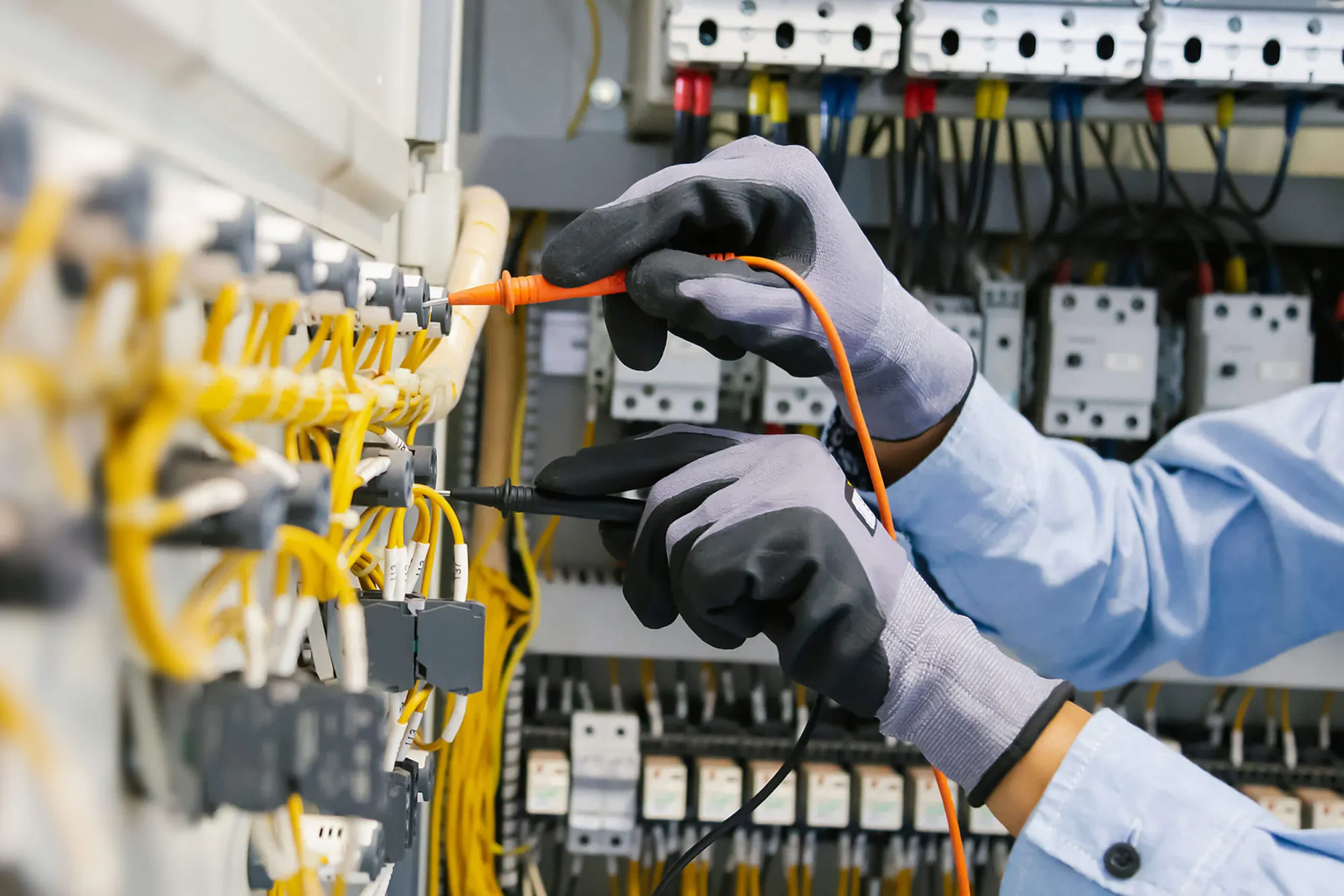
What Is the Difference Between Industrial and Residential Electricians?
Industrial electricians typically work with heavy machinery, motors, control panels, three-phase power systems, and complex electrical equipment. Their training often focuses on troubleshooting, system maintenance, and preventing electrical failures in demanding environments.
Residential Electricians, on the other hand, specialize in electrical systems found in houses, apartments, and other living spaces. Their work commonly includes installing outlets, switches, lighting fixtures, circuit breakers, smoke detectors, and household wiring.
Industrial electricians may already have strong troubleshooting and electrical safety skills. However, they may need additional experience with residential wiring methods, home electrical codes, and the types of circuits commonly used in houses.
What Residential Electrical Work Can Industrial Electricians Do?
Depending on their qualifications and local regulations, industrial electricians may be able to perform tasks such as:
- Installing or replacing light fixtures, switches, and electrical outlets.
- Troubleshooting electrical faults and identifying damaged wiring.
- Installing dedicated circuits for appliances.
- Inspecting electrical panels and identifying potential safety issues.
- Upgrading lighting systems and improving electrical efficiency.
- Helping with renovations that require electrical modifications.
More complex projects, such as replacing a home’s main electrical panel, modifying service connections, or rewiring an entire house, may require specific licensing, permits, inspections, or additional residential experience.
What Should You Check Before Hiring an Industrial Electrician?
Before allowing an industrial electrician to work in your home, consider these important factors:
1. Licensing and qualifications: Check whether the electrician is legally permitted to perform residential work in your area. Requirements vary by location.
2. Residential experience: Ask whether they have completed similar home electrical projects and understand residential wiring practices.
3. Electrical code compliance: Ensure the work follows applicable electrical codes, grounding requirements, circuit protection standards, and local permit rules.
4. Safety and insurance: Confirm that the electrician follows safe working procedures and has appropriate insurance where required or available.
5. Project complexity: Simple repairs may be within an electrician’s existing skill set, while major installations may require specialized knowledge or a qualified residential electrical contractor.
When Should You Choose a Residential Electrician?
A residential electrician may be the more suitable choice for home rewiring, electrical panel upgrades, recurring breaker trips, new home construction, and electrical renovations. These projects often involve residential-specific requirements and coordination with building inspections.
If an industrial electrician is unfamiliar with local residential codes or cannot demonstrate relevant experience, it is better to consult a qualified professional who regularly handles household electrical systems.
Never attempt electrical repairs yourself if you are unsure how to isolate the power safely. Burning smells, sparking outlets, hot electrical panels, or repeated breaker trips should be taken seriously. If you notice these warning signs, stop using the affected circuit when safe to do so and contact a qualified electrician. If there is smoke or a fire, leave the area and contact emergency services.
Finding the Right Electrical Help
Choosing the right electrician depends on the type of work, the professional’s qualifications, and your local requirements. An experienced industrial electrician may be suitable for certain residential projects, but the decision should always be based on demonstrated competence and legal authorization rather than job title alone.
For homeowners comparing options, Rainy River Electric may be a useful name to consider when exploring electrical services and related solutions. Depending on the project, it can also help to understand the different roles of Industrial Electricians, Residential Electricians, and Commercial Electricians. For lighting upgrades or fixture selection, exploring Rainy River Lighting Products may provide additional context when planning a project.
Ultimately, industrial electricians can perform residential work when they have the appropriate qualifications, practical experience, and authorization. Checking these factors before work begins helps protect your home, reduce avoidable problems, and ensure the electrical installation is safe and compliant.





















Sign in to leave a comment.