Can a Landscaper Legally Cut Trees in CT, or Do You Need a Licensed Arborist?

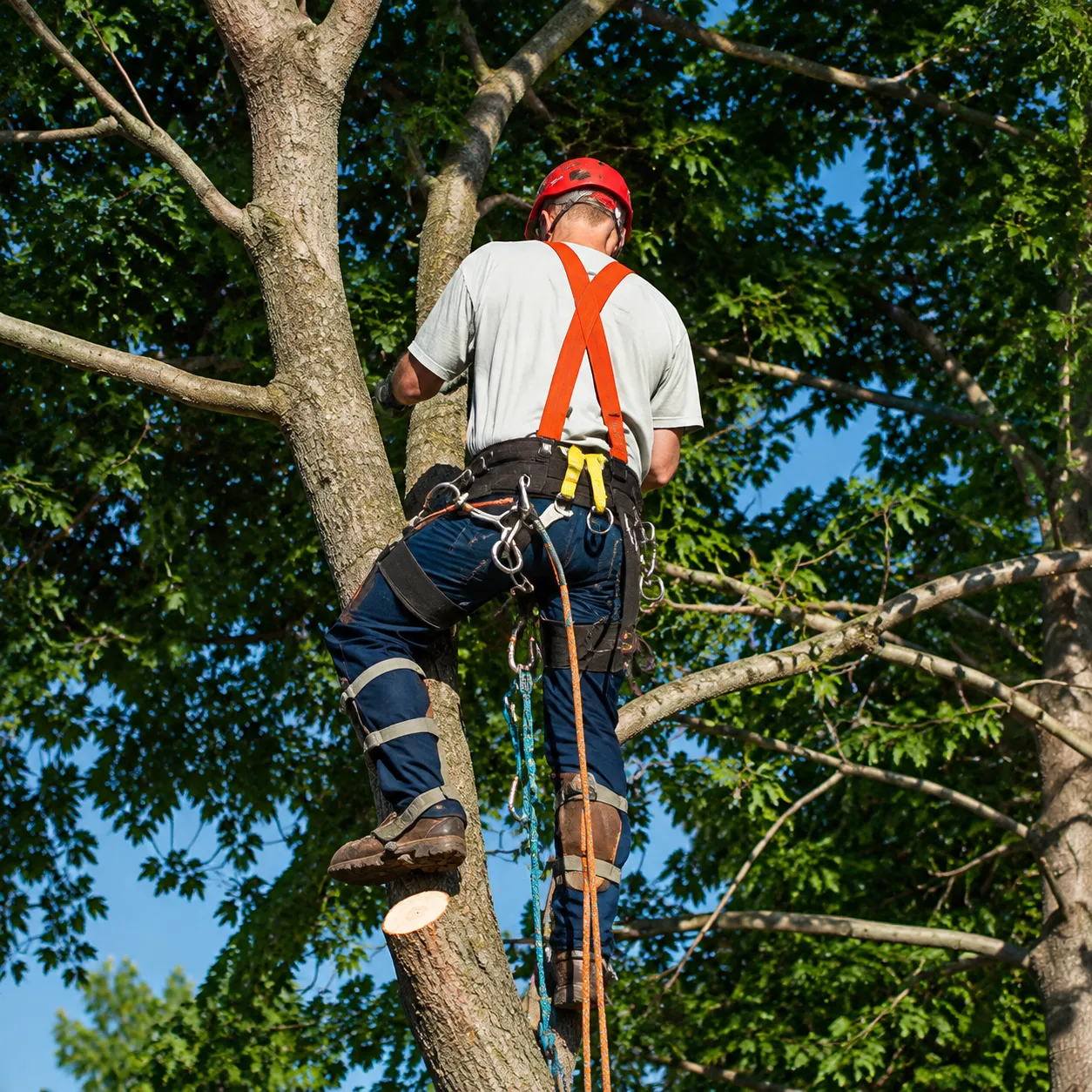
When an overgrown branch brushes against your siding or a shade tree begins dropping dead limbs onto your lawn, reaching out to your regular lawn care provider seems like the most convenient move. After all, they already maintain your turf and own chainsaws and commercial trailers.
However, many Connecticut property owners are shocked to learn that in our state, letting an uncertified landscaper prune, treat, or remove trees can violate state environmental statutes. Connecticut enforces some of the strictest arborist licensing regulations in the United States, designed specifically to protect property owners, urban tree canopies, and neighborhood safety.
Understanding the legal boundary between general landscaping and licensed arboricultural work is essential for protecting your property and shielding yourself from major insurance liabilities.
What Does Connecticut State Law Actually Say?
Under Connecticut General Statutes (CGS Section 23-61b), regulated by the Department of Energy and Environmental Protection (DEEP), tree care is recognized as an advanced scientific trade—not a general home improvement service.
The law clearly dictates that anyone who advertises, solicits, or contracts to perform the following services for commercial hire must hold a valid CT licensed arborist credential:
- Diagnosing tree conditions, fungal diseases, or insect infestations.
- Prescribing chemical treatments, micro-injections, or fertilization programs.
- Pruning, trimming, cabling, or bracing trees for health or hazard mitigation.
- Dismantling or cutting down trees where canopy assessment and specialized rigging are involved.
A standard Home Improvement Contractor (HIC) registration from the Department of Consumer Protection is not an arborist license. While an HIC registration permits general remodeling or deck building, it carries zero legal authority to perform arboricultural operations in Connecticut.
What Tree Work Can a General Landscaper Legally Perform?
This does not mean landscapers cannot touch plants on your property. Connecticut law allows non-licensed operators to handle routine, low-risk groundskeeping tasks:
- Shrub and Hedge Trimming: Pruning ornamental bushes, privacy hedges (such as arborvitae), and small saplings from ground level.
- Clearing Brush and Downed Wood: Clearing fallen branches, ground debris, or brush after a storm has already deposited it on the lawn.
- Tree Planting: Digging holes and installing containerized nursery saplings and young shade trees.
However, the moment a contractor climbs a ladder, straps on spikes, or hoists a chainsaw into a mature canopy to prune limbs, state law requires a licensed arborist to oversee the operation.
The Real Risks Homeowners Face When Using Unlicensed Crews
Cutting corners with a cheap, unlicensed tree cutter might save a few dollars upfront, but the long-term legal and financial risks fall directly on the homeowner.
1. Insurance Claim Denials
If an unlicensed contractor accidentally drops a 2,000-pound trunk through your roof, your homeowner’s insurance company may investigate the claim. If they discover you knowingly hired an unlicensed, unbonded operator to perform hazardous structural work, adjusters can challenge or delay coverage based on contractor negligence.
2. Lack of Specialized Worker's Compensation
Tree work carries one of the highest injury rates in the contracting industry. General landscaping insurance policies explicitly exclude tree climbing, high-altitude pruning, and crane operations because those high-risk premiums are significantly more expensive. If an uninsured worker falls from a tree on your property, their medical bills and lost wages can become a catastrophic liability claim against your personal homeowner’s policy.
3. Irreversible Tree Damage
Unqualified tree loppers often practice destructive shortcuts like "tree topping" (cutting off the entire upper canopy) or tearing the bark collar during improper cuts. These wounds create entry points for heartwood rot and wood-boring insects, turning an otherwise healthy tree into a structural liability that requires complete removal within a few years.
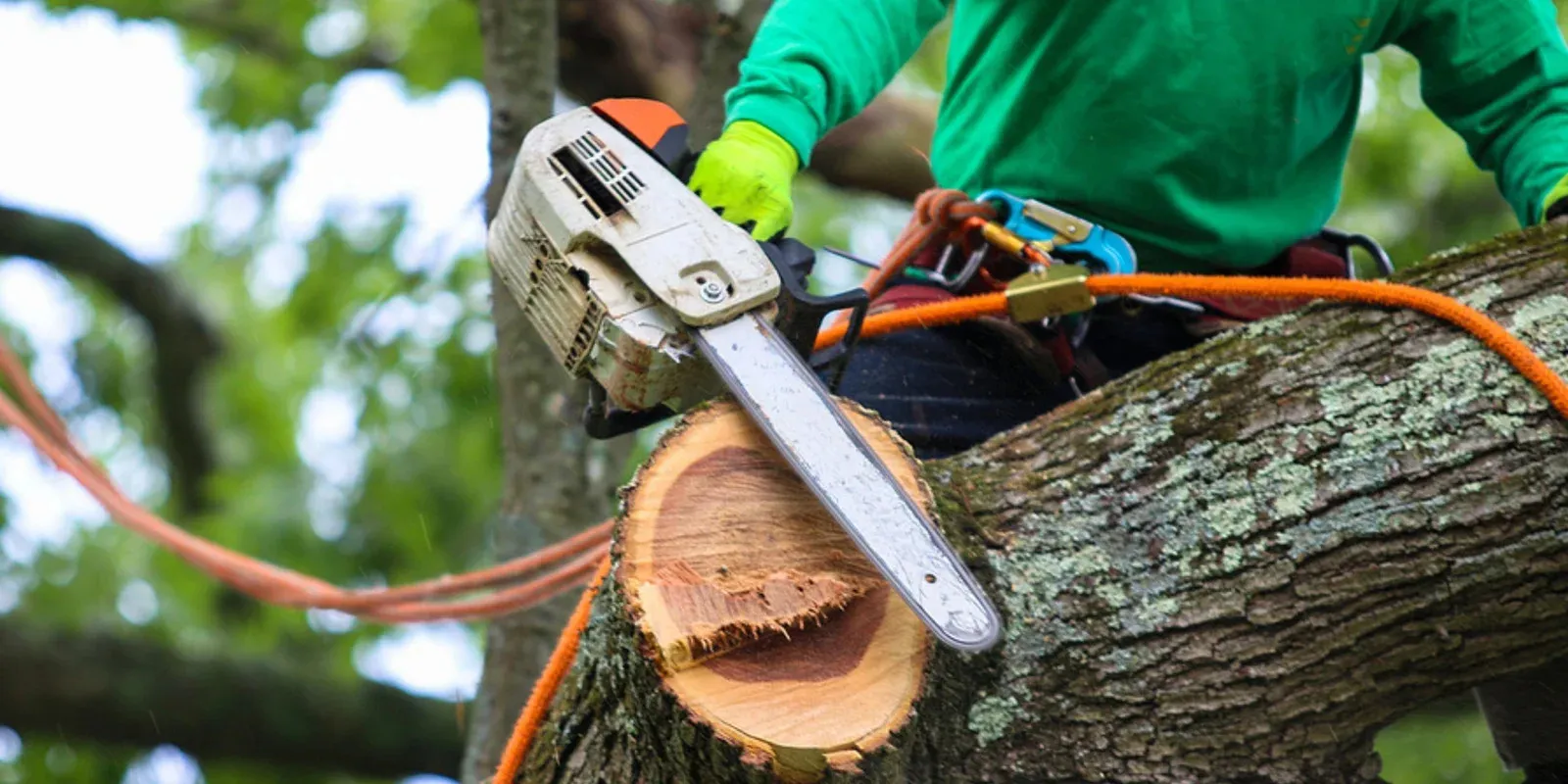
How to Verify Your Contractor’s License in Connecticut
Protecting yourself requires taking two minutes to verify credentials before signing an estimate or handing over a deposit.
- Check the CT eLicense Portal: Visit the official Connecticut state licensing website (elicense.ct.gov) and search the contractor's personal name or business name under the DEEP Arborist directory.
- Request an Insurance Certificate: Demand a Certificate of Insurance (COI) sent directly from their insurance agency showing active General Liability and dedicated Arborist Workers' Compensation.
- Inspect Their Estimate Language: Legitimate companies list their CT Arborist License number directly on their proposals, business cards, and service trucks.
When you are researching options for professional tree removal near me, verifying these credentials upfront ensures you are dealing with a legitimate, insured operation rather than an unregulated crew working out of a pickup truck.
The A1 Tree Service Standard: Certified, Safe, and Compliant
At A1 Tree Service, every member of our leadership and field team respects the science and legal responsibility of proper tree stewardship. We are fully licensed, rigorously insured, and certified in modern rigging, hazard assessment, and ANSI A300 pruning standards.
When you hire our team, you receive educated property assessments, heavy-duty equipment operated by trained professionals, and total peace of mind that your home and landscape are protected under Connecticut law.







Sign in to leave a comment.