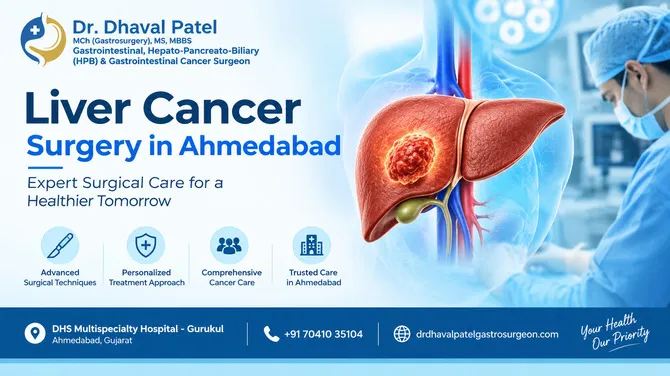

When patients hear they need liver surgery, one of the first images that comes to mind is often a large incision and a long, painful recovery. It's a frightening thought, especially while already processing a cancer diagnosis. The reassuring truth is that surgical techniques have advanced significantly, and many patients exploring liver cancer surgery in Ahmedabad are surprised to learn that minimally invasive options are now available.
Yes, minimally invasive surgery, including laparoscopic and robotic-assisted techniques, can be used for certain liver cancer cases. Eligibility depends on tumor size, location, and number, as well as the patient's overall liver function.
What Does Minimally Invasive Liver Surgery Actually Involve?
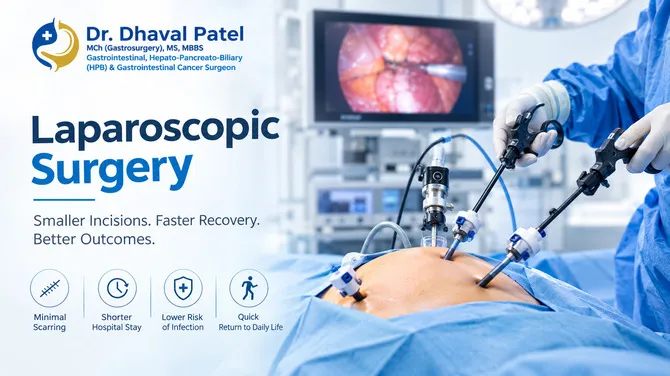
Instead of one large incision, surgeons use a few small cuts to access the liver using specialized instruments and a camera.
- A thin camera provides a magnified, high-definition view of the liver
- Small, precise instruments allow the surgeon to remove tumors with accuracy
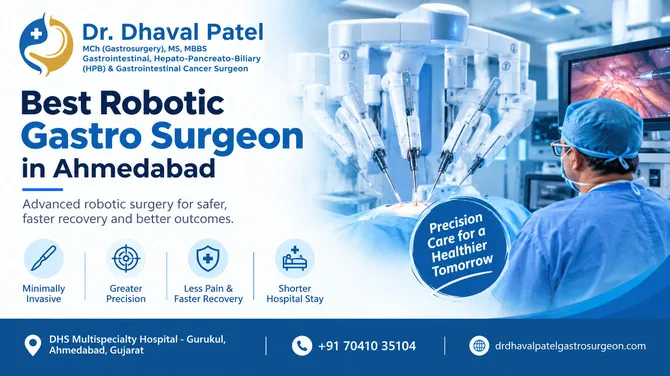
- Robotic-assisted systems offer enhanced control and flexibility in complex cases
- The surrounding healthy liver tissue experiences less disruption compared to open surgery
This approach doesn't change what's being treated, only how the surgery is performed.
Which Liver Cancer Cases Are Suitable for This Approach?
Not every patient qualifies for minimally invasive surgery, and that's an important distinction to understand.
- Tumor size: Smaller tumors are generally better suited for this technique
- Tumor location: Tumors away from major blood vessels are easier to access minimally invasively
- Number of tumors: A single tumor or a limited number increases eligibility
- Liver function: Adequate healthy liver tissue must remain to support recovery
- Overall health: Patients need to be stable enough to tolerate the procedure safely
Your surgical team will determine suitability through detailed imaging and liver function tests before recommending this approach.
What Symptoms Might Lead to This Type of Diagnosis?
Liver cancer symptoms often develop gradually, which is why early evaluation matters.
- Discomfort or pain under the right ribs
- Unexplained weight loss
- Persistent fatigue
- Yellowing of the skin or eyes
- Loss of appetite
- Abdominal swelling
Catching these symptoms early increases the likelihood that minimally invasive options remain available.
What Are the Benefits for Patients?
Many patients feel reassured once they understand what this surgical approach can offer.
- Smaller incisions mean less visible scarring
- Reduced blood loss during surgery
- Lower risk of post-surgical infection
- Shorter hospital stays, often two to four days
- Faster return to daily activities compared to open surgery
What Does Recovery Typically Look Like?
Recovery after minimally invasive liver surgery tends to be smoother for many patients.
- Mild discomfort around incision sites, manageable with medication
- Walking is encouraged within a day of surgery to support healing
- Most patients resume light activities within two to three weeks
- Full recovery, including liver regeneration, usually completes within six to eight weeks
- Regular follow-up scans monitor healing and check for recurrence
What Risk Factors Should You Be Aware Of?
While generally safer and gentler than open surgery, certain factors still require careful consideration.
- Pre-existing liver conditions like cirrhosis may limit surgical options
- Previous abdominal surgeries can sometimes complicate the procedure
- Tumors located very close to major blood vessels may still require open surgery
- Overall health conditions, such as heart or lung disease, are factored into the decision
How Can Patients Prepare for Surgery?
- Share your complete medical history, including any previous surgeries
- Follow pre-surgery instructions carefully, including fasting guidelines
- Ask your surgeon directly whether you're a candidate for minimally invasive surgery
- Arrange support at home for your first week of recovery
Final Thoughts
Advances in surgical technology have genuinely changed what liver cancer treatment can look like for many patients. Minimally invasive liver cancer surgery in Ahmedabad offers a gentler path for eligible patients, often with less pain, shorter hospital stays, and quicker recovery, without compromising on effective cancer removal.
If you've been told you need liver surgery, it's worth asking whether a minimally invasive approach could be right for you. Dr. Dhaval Patel takes the time to evaluate each case carefully and explain all suitable options clearly.


























Sign in to leave a comment.