
Table of Contents
- Can Moisturizing Help Acne-Prone Skin
- Q: Won't Moisturizer Clog My Pores
- Q: Should I Skip Moisturizer When I Have Active Breakouts
- Q: What Actually Makes a Moisturizer Safe for Acne-Prone Skin
- Q: How Do I Know If My Moisturizer Is Working
- Building a Routine That Actually Supports Acne-Prone Skin
- Where Celestiq Beauty Fits In
- Final Thoughts
- Frequently Asked Questions
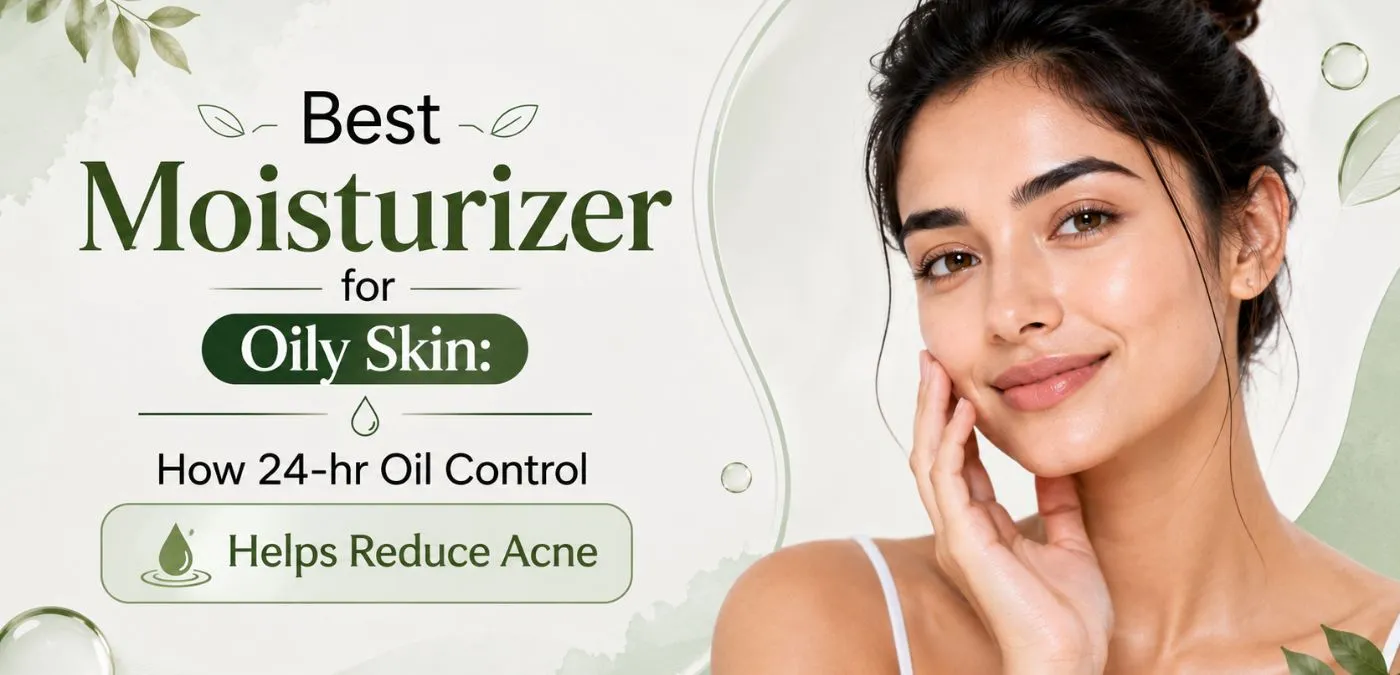
"Won't moisturizer just make my acne worse?" is one of the most common questions people with oily, acne-prone skin ask, usually right before deciding to skip this step entirely. It is a fair concern, but the honest answer is that the right moisturizer does not worsen acne, it actually supports the skin's ability to heal and stay balanced.
This blog answers the question directly, addressing the concerns people usually have, and walks through how to choose a moisturizer for oily skin that genuinely supports acne-prone skin rather than working against it.
Can Moisturizing Help Acne-Prone Skin
Yes, and here is the reasoning behind that answer:
- Acne treatments, especially ones with salicylic acid or benzoyl peroxide, can dry out skin significantly if used without proper hydration.
- A weakened skin barrier, often caused by skipping moisturizer, can actually trigger more oil production as skin tries to compensate.
- The right, non-comedogenic moisturizer supports healing without adding to congestion or breakouts.
- Hydrated skin generally responds better to acne treatments, since a compromised barrier can slow down the healing process.
The key word here is "right." Not every moisturizer is suited for acne-prone skin, but avoiding moisturizer altogether is rarely the solution.
Q: Won't Moisturizer Clog My Pores
This is usually the first concern people raise, and it is a reasonable one.
- Some moisturizers, especially heavy, oil-based or occlusive formulas, absolutely can clog pores.
- However, a lightweight, non-comedogenic oily skin moisturizer is specifically formulated to hydrate without blocking pores.
- Checking for "non-comedogenic" and "oil-free" labeling is the simplest way to avoid this concern altogether.
- The issue is almost always about choosing the wrong formula, not about moisturizing itself.
Q: Should I Skip Moisturizer When I Have Active Breakouts
It might feel intuitive to stop moisturizing during a breakout, but this often backfires.
- Active breakouts are already inflamed, and a compromised skin barrier can worsen irritation further.
- Skipping moisturizer during treatment can lead to excessive dryness, flaking and increased sensitivity.
- A gentle, lightweight moisturizer for oily skin actually supports the healing process during active breakouts.
- The goal during a breakout is calming and supporting skin, not stripping it further.
Q: What Actually Makes a Moisturizer Safe for Acne-Prone Skin
Not all products marketed as "oil control" are automatically suitable. Look for:
- Non-comedogenic labeling, confirming it is formulated to avoid clogging pores.
- Oil-free, gel or water-based texture rather than heavy creams.
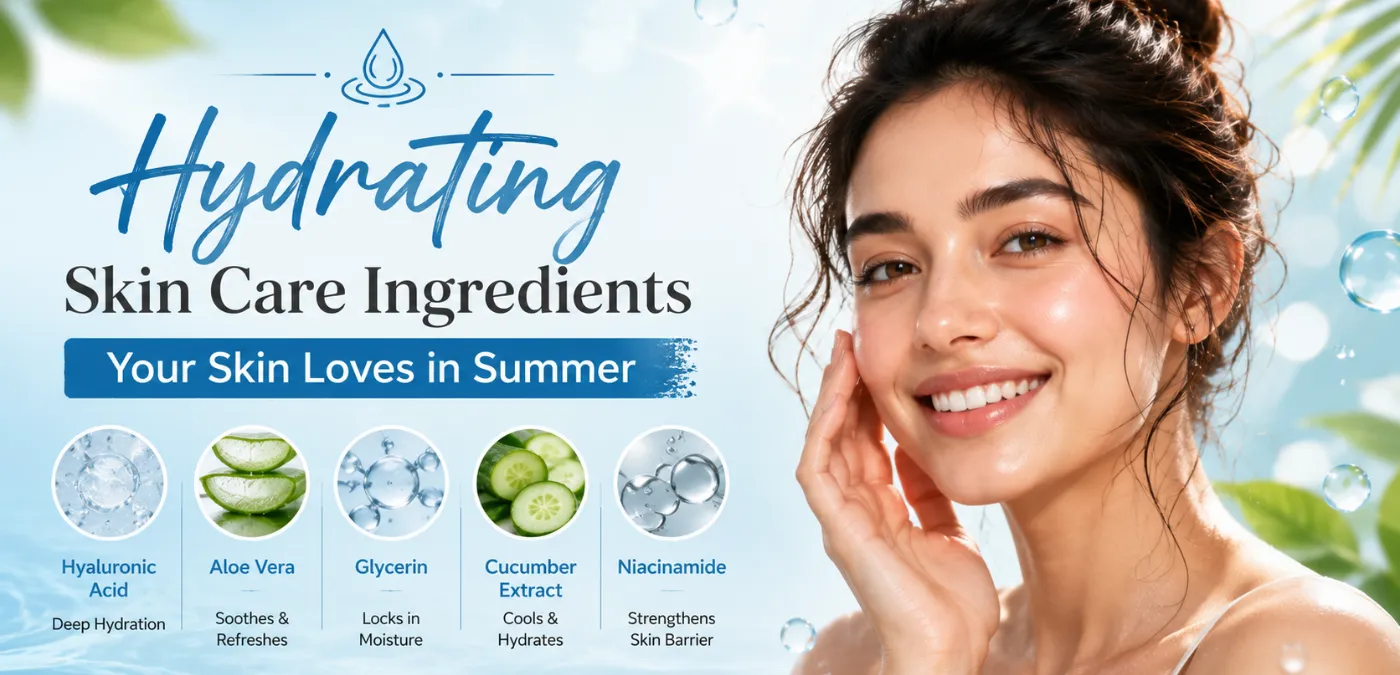
- Niacinamide, which helps balance oil while calming inflammation.
- Hyaluronic acid, offering hydration without adding heaviness.
- Avoiding heavy oils, thick butters or waxy ingredients that can trap bacteria and sweat.
This is generally what separates the best moisturizer for oily skin from one that quietly makes things worse.
Q: How Do I Know If My Moisturizer Is Working
A few clear signs indicate your moisturizer is actually helping:
- Skin feels comfortable, not tight or greasy, a few hours after application.
- Breakouts gradually calm down rather than increasing after starting a new moisturizer.
- Makeup and sunscreen apply more smoothly over properly hydrated skin.
- Skin texture feels smoother over several weeks of consistent use.
- You no longer feel the urge to blot or wash your face midday just to manage shine.
If breakouts noticeably worsen after introducing a new product, it is worth reconsidering the formula rather than skipping moisturizer altogether.
Building a Routine That Actually Supports Acne-Prone Skin
A simple, consistent routine usually outperforms a complicated one:
- Cleanse gently, twice daily, without over-washing.
- Apply any acne treatment, like salicylic acid or benzoyl peroxide, as directed.
- Follow with a lightweight, non-comedogenic best face moisturizer for oily skin.
- Use an oil-free sunscreen every morning to protect healing skin.
- Give any new routine at least three to four weeks before judging results.
- Avoid layering too many active treatments at once, since this can overwhelm already sensitive, breakout-prone skin.
Where Celestiq Beauty Fits In
Choosing the right moisturizer for oily skin should not feel like a gamble, especially when you are also managing active breakouts. Celestiq Beauty focuses on formulating lightweight, non-comedogenic options designed specifically to support oily and acne-prone skin, helping balance hydration and oil control without adding to congestion. If you are still unsure which formula fits your skin, Celestiq Beauty's detailed guide on oil control and acne explains this in more depth, including how 24-hour oil control formulas actually work.
Final Thoughts
Can moisturizing help acne-prone skin? Yes, and skipping this step is often what keeps the cycle of dryness, irritation and excess oil going. The right, lightweight, non-comedogenic moisturizer supports the skin barrier, helps acne treatments work more effectively, and keeps skin comfortable rather than reactive. Choosing wisely, and staying consistent, matters far more than avoiding moisturizer altogether. Many people spend months switching between harsh treatments and no hydration at all, when the actual fix was simply finding a formula suited to their skin type from the start. For a closer look at building this into a full routine, Celestiq Beauty's guide to the best moisturizer for oily, acne-prone skin is worth reading through.
Frequently Asked Questions
1. Can moisturizing help acne-prone skin?
Yes, the right non-comedogenic moisturizer supports healing and helps balance oil production over time.
2. Will moisturizer make my acne worse?
Only if the formula is heavy or comedogenic. A lightweight, oil-free option generally supports acne-prone skin.
3. Should I stop moisturizing during a breakout?
No, skipping moisturizer during a breakout can increase irritation and slow down the healing process.
4. What ingredients should I avoid in a moisturizer for acne-prone skin?
Avoid heavy oils, thick butters and waxy, occlusive ingredients that can clog pores.
5. How long before I notice improvement with the right moisturizer?
Most people notice better balance and comfort within three to four weeks of consistent use.













Sign in to leave a comment.