

Imagine stepping into a home that matches your vision perfectly. Every corner, every wall, every detail is just right. This is not a dream but a reality that new home construction can offer. I remember when I first thought about building a home. The idea seemed both exciting and daunting. Would it really become the home I always wanted? Many people wonder the same thing. The answer lies in understanding how residential construction works and what it can do for you.
Building a new home means you have control. You get to decide everything, from the floor plan to the tiniest details like light fixtures. This level of customization is something you rarely get when buying an existing home. So, why does it matter? Because your home is more than just a place—it’s a reflection of who you are. And with Tross Construction, the possibilities are almost endless. They focus on making your dream home a reality, ensuring quality and satisfaction every step of the way.
Let's explore how new home construction can create the home you've always desired. I’ll share insights, statistics, and real-life stories. Together, we’ll dive into the benefits, challenges, and everything in between. You’ll leave with a clear understanding of how to make this dream a reality with Tross Construction. Ready? Let’s get started.
Understanding New Home Construction
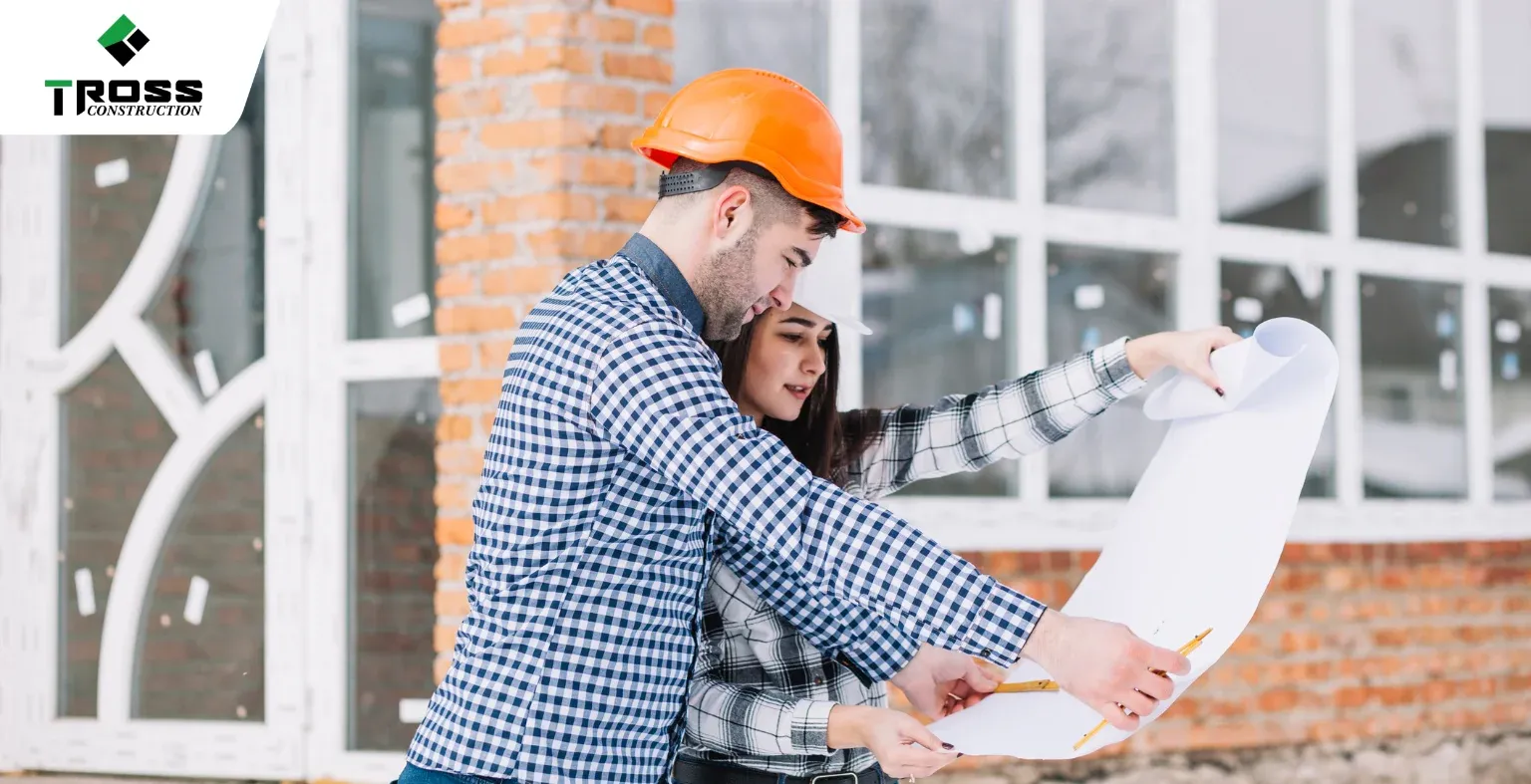
New home construction is like a blank canvas. You start with nothing and build something unique. But what exactly does this involve? First, it’s about planning. You work with architects and designers to put your ideas on paper. This stage is crucial because it sets the foundation for everything else. A well-thought-out plan saves time and money. It also makes sure that your home turns out exactly as you imagined.
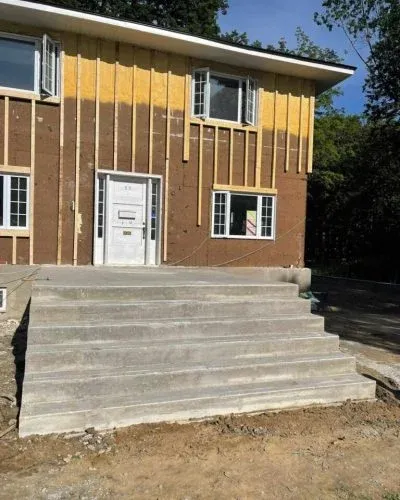
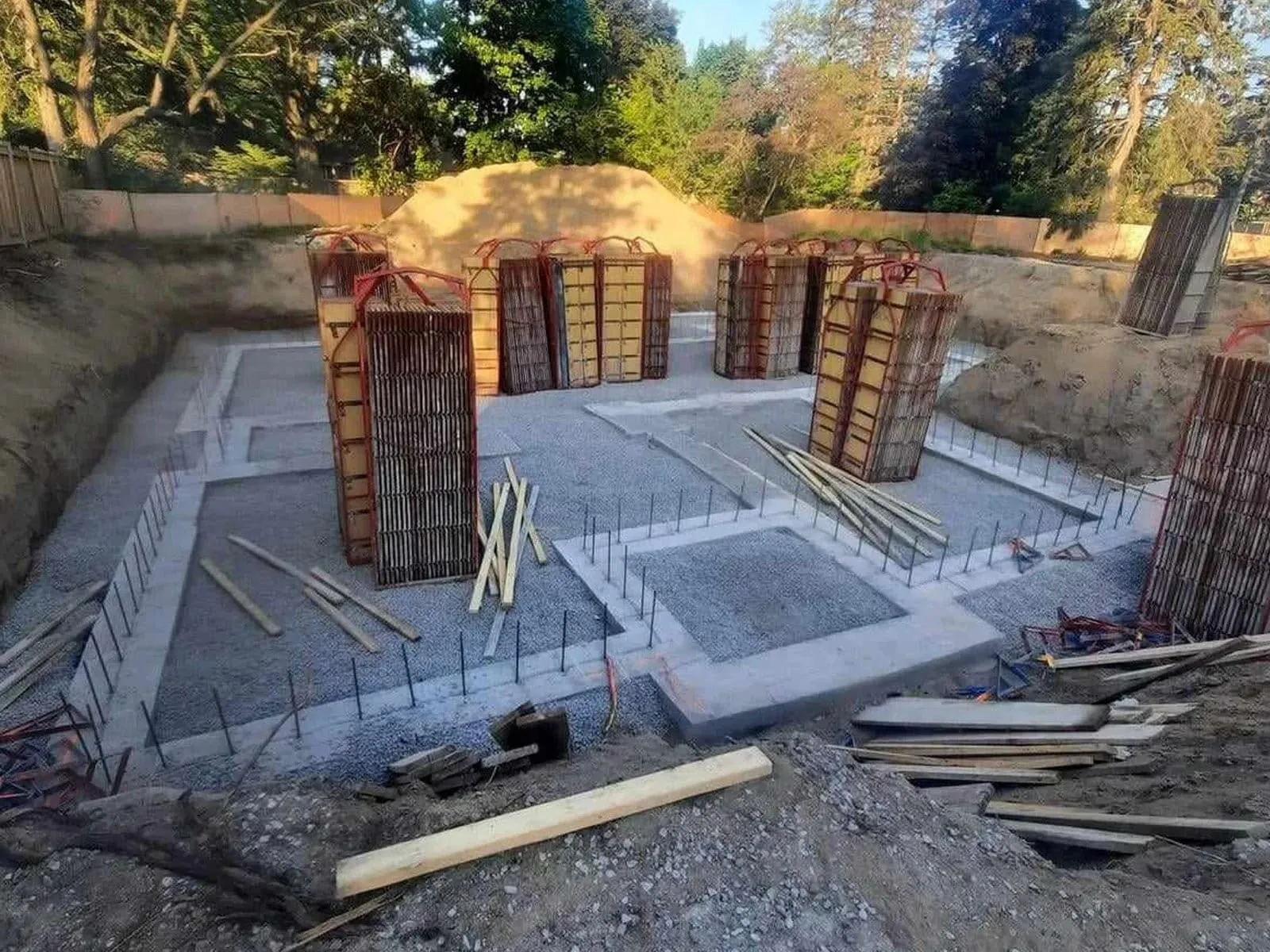
Next comes the construction phase. This is where builders turn the plans into reality. Skilled workers lay the foundation, raise the walls, and add the roof. It's a complex process that requires expertise. At Tross Construction, they ensure that each step follows high standards. They use quality materials and employ experienced builders. This ensures the longevity and safety of your home.
According to a study by the National Association of Home Builders, around 400,000 new homes are built each year in the U.S. That's a lot of people choosing custom homes! Why? Because new home construction offers benefits like energy efficiency and modern amenities. You can include the latest technology, like smart home systems, right from the start.
The Benefits of Building New
Why build a new home instead of buying an existing one? There are several compelling reasons. First, customization. When you build new, you decide every detail. Want an open-concept kitchen? It’s yours. Dreaming of a master suite with a spa-like bathroom? Done. This level of personalization is rare in existing homes.
Another huge benefit is energy efficiency. New homes are built with the latest standards in mind. This means better insulation, energy-efficient windows, and modern heating and cooling systems. According to the U.S. Department of Energy, homes built today use about 50% less energy than those built before 1980. This not only saves you money on utility bills but also helps the environment.
Case in point: Emily and John, who I worked with last year. They wanted a home that was both stylish and sustainable. By choosing new residential construction, they incorporated solar panels and a smart thermostat. Their energy bills dropped significantly, and they loved the comfort of their new space.
Common Challenges and How to Overcome Them
Building a new home isn’t without challenges. But knowing what to expect can help you overcome them. One common issue is staying on budget. Construction costs can quickly escalate if not managed properly. To tackle this, always start with a detailed budget. Work with your builder to identify potential extra costs. This way, there are fewer surprises along the way.
Another challenge is time management. Construction projects often take longer than expected. Delays can happen due to weather, supply issues, or changes in design. To minimize these delays, set realistic timelines. Keep in constant communication with your construction team. Tross Construction uses a project management system to keep everything on track. This ensures that your project stays on schedule.
Consider the story of the Rodriguez family. They faced several setbacks during their construction process. However, by maintaining regular updates with their builder, they managed to reduce delays and stayed within budget.
Choosing the Right Builder
Picking the right builder is critical to the success of your new home construction. A good builder will guide you through the process, ensuring quality and satisfaction. But how do you choose the right one? First, look for experience. A builder with years of experience in residential construction can handle any challenges that arise. They also have established relationships with suppliers, which can save you money.
Reputation is another key factor. Check reviews and ask for references. Talk to previous clients about their experiences. Did the builder deliver on time and within budget? Was the quality of work up to standard? At Tross Construction, they pride themselves on their reputation for excellence. They have a proven track record of satisfied customers.
Remember Sarah and Mark, who wanted a unique home design. They chose Tross Construction based on recommendations from friends. The result? A seamless experience and a home that exceeded their expectations.
Customization Opportunities
One of the most exciting aspects of building a new home is the ability to customize. You aren’t limited to someone else’s vision. Instead, you create a space that reflects your style and needs. This can include everything from the layout to the finishes and features.
For instance, you might want a gourmet kitchen with state-of-the-art appliances. Or perhaps a home office with built-in shelves and plenty of natural light. These are just a few of the possibilities. But customization doesn’t stop there. Consider the exterior of your home. You can choose the type of siding, roof, and even the landscaping. The possibilities are endless.
Take Mike and Lisa, who wanted a home that suited their busy lifestyle. They worked with Tross Construction to design a home with an open floor plan and a spacious outdoor area for entertaining. They loved having the freedom to choose every detail.
Budgeting for New Home Construction
Budgeting is one of the most important aspects of new home construction. It sets the tone for the entire project. But how do you create a realistic budget? Start by determining how much you can afford. Consult with financial advisors if needed. Next, consider all costs, not just the construction. This includes land purchase, permits, and design fees.
Once you have a number in mind, break it down into categories. Allocate funds for each phase of the project. Be sure to include a contingency fund for unexpected expenses. According to the National Association of Home Builders, about 5-10% of your budget should be set aside for surprises. This way, you’re prepared for any bumps along the road.
Consider the case of the Petersons. They thought they had everything covered but ran into unforeseen costs. By having a contingency fund, they managed these without stress.
Making the Most of Modern Design
Modern design is all about simplicity and functionality. It emphasizes clean lines, open spaces, and natural light. When building a new home, you have the opportunity to incorporate modern design principles from the start. This can create a space that feels open and inviting.
Consider using large windows to bring in natural light. Opt for an open floor plan that enhances the flow between rooms. Use materials like glass, steel, and concrete for a sleek look. According to the American Institute of Architects, open floor plans increase the perceived size of a home and improve social interaction.
Think about Tom and Nancy, who wanted a home with a modern aesthetic. They worked with Tross Construction to design a space that was both stylish and functional. The result was a home filled with light and space.
Energy Efficiency in New Homes
Energy efficiency is a top priority for many new home builders. It not only reduces costs but also benefits the environment. New homes are built with the latest technology to ensure they use energy wisely. This includes better insulation, energy-efficient windows, and high-efficiency HVAC systems.
According to the International Energy Agency, homes that are energy efficient can save homeowners up to 30% on their energy bills. This is significant savings over time. When building a new home, you have the chance to incorporate these energy-saving features from the start.
Consider the story of Anna and Jake. They wanted a home that was not only beautiful but also energy efficient. By installing solar panels and using energy-efficient appliances, they cut their energy costs by half.
Handling Permits and Zoning Laws
Dealing with permits and zoning laws is an essential part of new home construction. These regulations ensure that your home is built safely and legally. But they can be complicated and time-consuming. To manage this, work with your builder from the start. They have experience navigating these requirements and can help make the process smoother.
Permits often cover aspects like construction, electrical work, and plumbing. Zoning laws determine what can be built on your property and how it can be used. Understanding these rules is crucial to avoid legal issues and delays. The American Planning Association states that ignoring zoning laws can lead to costly fines and modifications.
Consider the story of David and Maria. They faced a delay because they didn’t understand the local zoning laws. By working with Tross Construction, they resolved these issues quickly.
The Role of Technology in Construction
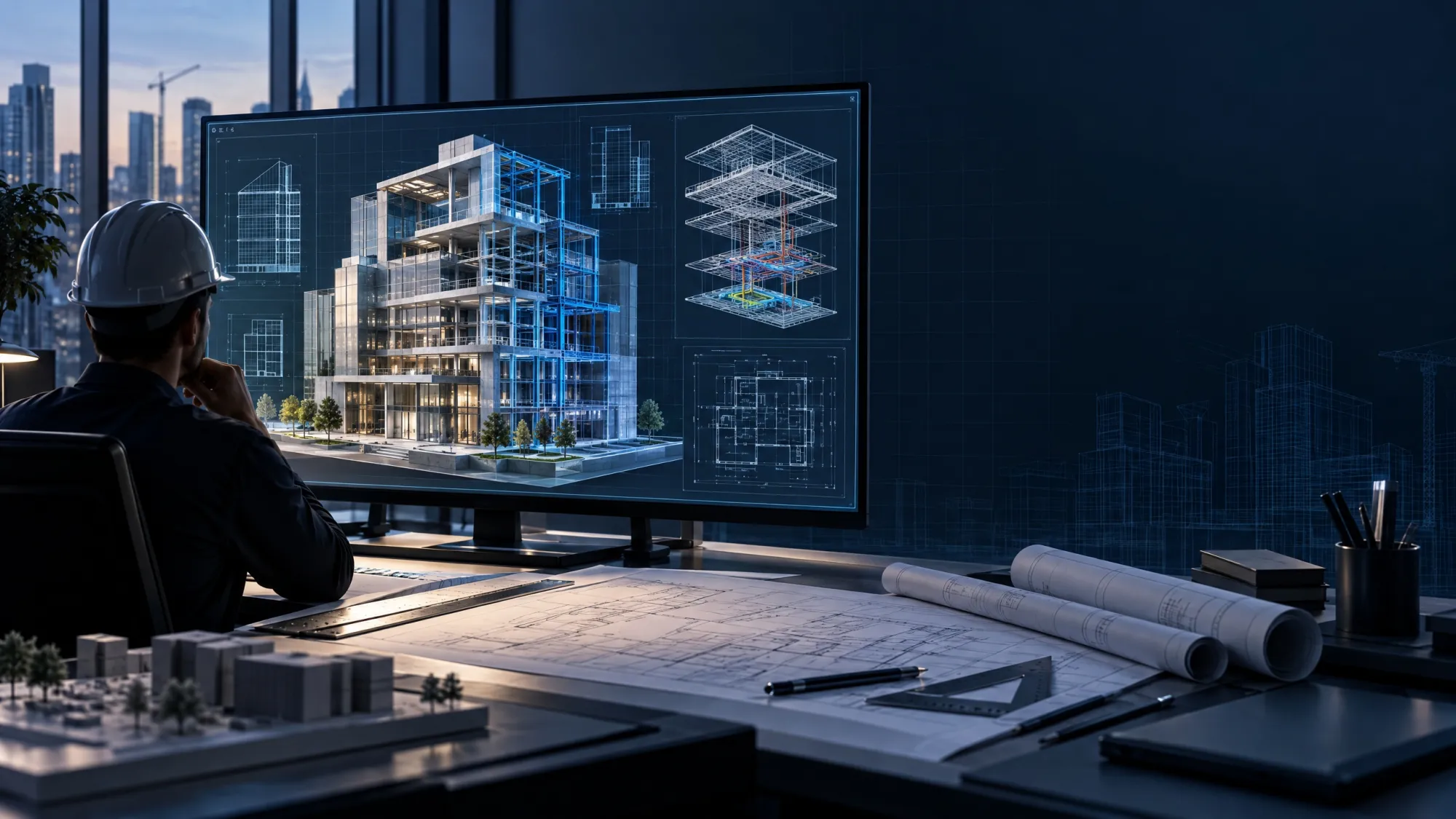
Technology is transforming the construction industry. It enhances efficiency, accuracy, and safety. When building a new home, using technology can make the process smoother and more effective. For instance, 3D modeling helps visualize the final design before construction begins. This allows for adjustments and improvements at an early stage.
Another example is the use of drones for site inspection. They provide a bird’s-eye view of the construction site, identifying potential issues quickly. This saves time and money. According to a report by McKinsey & Company, technology in construction can reduce project costs by up to 15% and accelerate timelines by 20%.
Consider the case of a recent project by Tross Construction. They used technology to streamline communication and project management. This resulted in a more efficient construction process and a satisfied client.
Frequently Asked Questions
What is the average cost of building a new home?
The cost varies widely based on location, size, and design. On average, building a new home in the U.S. ranges from $100 to $200 per square foot.
How long does new home construction usually take?
Typically, it takes about 6 to 12 months, depending on the complexity of the design and any unforeseen delays.
Can I make changes during the construction process?
Yes, but changes can impact the timeline and budget. It's best to finalize designs before construction begins to avoid these issues.
What are some key features to include in a new home?
Consider energy-efficient features, smart home technology, and flexible spaces that can adapt to your future needs.
Why choose Tross Construction?
Tross Construction offers expertise, quality, and a commitment to customer satisfaction, ensuring your new home is everything you dream of.
So, what do you think? Are you ready to explore the possibilities of new home construction with Tross Construction? Share your thoughts or reach out to get started on your dream home today.


















Sign in to leave a comment.