

Investing in valuable assets, such as commercial property or gold, can be difficult when the entry costs are high. RWA (Real-World Asset) tokenization offers another way to structure participation in these assets. By representing defined ownership rights or interests through digital tokens, businesses can explore new investment opportunities. But how does this process work, and can it make real-world assets more accessible?

What Is RWA Tokenization? A Simple Example
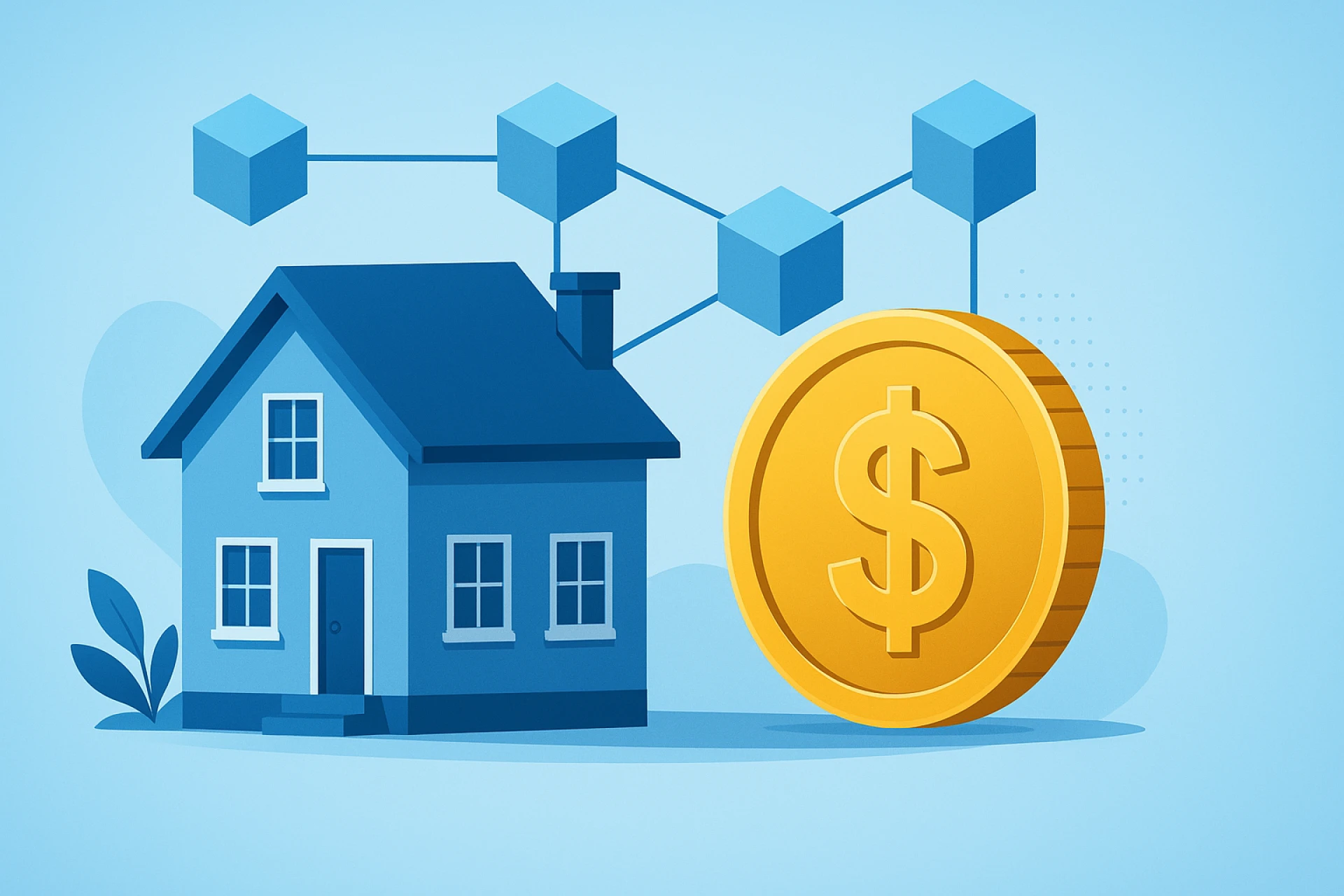
RWA tokenization represents rights or interests in physical or traditional financial assets through digital tokens recorded on a blockchain. These assets can include real estate, commodities, and eligible financial instruments.
Consider a commercial property valued at $1 million. Through an appropriate legal structure, its defined interests could be represented by digital tokens, allowing eligible investors to participate without purchasing the entire property.
RWA Tokenization Development involves building the technology that supports token issuance, smart contracts, transactions, and investor access. The rights attached to each token depend on the legal structure and offering terms.
How Can Tokenization Open Access to High-Value Assets?
One important opportunity is fractional ownership. Instead of requiring someone to purchase an entire asset, a tokenization model may allow multiple investors to acquire smaller interests.
This approach can offer several benefits:
- More accessible participation: Smaller investment units may lower the initial amount required to participate.
- Efficient processes: Smart contracts can automate certain transactions and administrative tasks.
- Transparent records: Blockchain records can help track token transfers and transaction histories.
- Flexible ownership structures: Businesses can design offerings around specific asset rights and investor requirements.
These benefits depend on the asset, legal framework, fees, and availability of suitable investment markets.
Which Real-World Assets Can Be Tokenized?
RWA tokenization can support different asset categories, depending on their legal and operational requirements.
- Real estate: Representing defined interests in residential or commercial properties.
- Commodities: Digitally representing interests in assets such as gold, with appropriate custody arrangements.
- Financial instruments: Representing eligible bonds, funds, or other financial assets through blockchain-based tokens.
Each application offers businesses a way to explore digital asset ownership and improve selected asset management processes.
What Should Businesses Check Before Tokenizing an Asset?
Successful tokenization requires careful planning beyond the technology itself. Businesses should establish clear ownership rights, verify the underlying asset, and understand applicable regulations.
They should also consider asset custody, investor eligibility, smart contract security, transfer restrictions, and potential secondary-market liquidity. Importantly, owning a token does not automatically mean holding direct legal ownership of the underlying asset. The rights depend on the legal structure and governing documents.
How Can Businesses Get Started with RWA Tokenization?
Businesses can begin by identifying a suitable asset, defining the token model, and establishing the legal framework. The next steps include selecting a suitable blockchain, developing smart contracts, implementing security testing, and planning ongoing platform management.
An experienced RWA Tokenization Development Company can help businesses plan these technical requirements around their objectives. Strong Blockchain Development expertise also supports secure transactions, reliable platform infrastructure, and effective smart contract implementation.
Conclusion: Is RWA Tokenization Making Asset Ownership More Accessible?
RWA tokenization creates new ways to structure asset ownership and broaden participation in eligible investments. Its effectiveness depends on clear legal rights, regulatory compliance, asset verification, and secure technology.
For businesses exploring this opportunity, Osiz Technologies offers RWA Tokenization Platform Development solutions to support the creation of digital asset platforms. With a suitable strategy and development approach, businesses can explore tokenization models aligned with their assets and operational goals.






















Sign in to leave a comment.