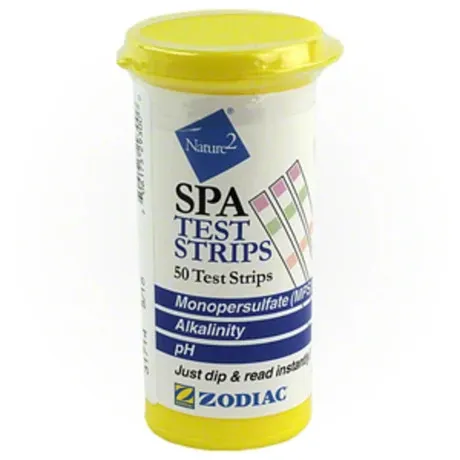

Pool water test strips are designed to make routine water checks quick and convenient. They contain chemically treated pads that react with specific substances in a water sample and produce color changes that can be compared with a reference chart. Because those reactive materials are sensitive by design, the way the strips are stored can affect their condition and performance.
Sunlight and humidity are two environmental factors worth paying attention to. Leaving a container beside the pool, storing it in a damp area, or exposing it to strong heat and sunlight may gradually affect the reactive pads. Understanding how these conditions influence testing materials can help pool owners maintain a more consistent testing routine and recognize when supplies should be replaced.
Why Storage Conditions Matter
Testing strips are made with reactive chemicals that need to remain stable until the moment they are used. Manufacturers package them in containers designed to protect the testing pads from environmental exposure. Once the container is opened, however, the strips can encounter air, moisture, heat, and light.
Poor storage does not necessarily make a strip unusable immediately. Instead, repeated exposure can gradually affect the materials responsible for producing color changes. This means a container that appears fine on the outside may still contain strips whose performance has been affected by unsuitable storage.
- Keep the original container tightly closed.
- Store strips in a dry location.
- Follow the temperature recommendations on the packaging.
- Avoid unnecessary exposure to sunlight.
- Remove only the strip needed for each test.
- Do not leave the container open during pool maintenance.
- Check the manufacturer's storage instructions.
Good storage is therefore part of good testing technique. Protecting unused strips from environmental conditions can help preserve them throughout their intended shelf life and make routine readings more consistent.
How Humidity Can Affect Testing Materials
Humidity is particularly relevant because testing strips are designed to react with water. Unwanted moisture inside the container can begin interacting with the reactive pads before a strip is intentionally used. In a humid environment, this exposure can occur gradually even when the container is not directly splashed.
A container that becomes damp inside may show signs of deterioration, such as strips sticking together or changes in the appearance of the testing pads. These signs should not be ignored because moisture exposure can affect how the chemicals respond when the strip is eventually used.
- Keep containers away from splash zones.
- Avoid storing strips near open water.
- Close the lid immediately after removing a strip.
- Never place wet strips back into the container.
- Keep hands dry when handling individual strips.
- Avoid storing containers in bathrooms or other highly humid areas.
- Replace supplies that have been visibly damaged by moisture.
Humidity can be especially problematic when strips are repeatedly exposed over an extended period. Keeping the container sealed and choosing a dry storage location is a simple way to reduce this risk.
Can Direct Sunlight Cause Damage to Pool Water Test Strips?
Direct sunlight can expose testing materials to both light and heat. Prolonged exposure may affect chemically reactive substances, particularly when the container is left in a hot outdoor environment for extended periods. The temperature inside a closed container can also become considerably higher than the surrounding air.
This is why storing testing supplies on a sunny pool deck or in a vehicle may not be ideal. Even if the strips remain dry, excessive heat and sunlight can contribute to deterioration. The manufacturer's storage instructions should always take priority because products can have different storage requirements.
- Avoid leaving strips in direct sunlight.
- Do not store them on uncovered pool equipment.
- Avoid keeping them in a parked vehicle.
- Keep containers away from hot surfaces.
- Use a shaded, temperature-appropriate storage area.
- Check the packaging for temperature guidance.
- Keep the container closed when not in use.
Protecting strips from sunlight is not complicated. A shaded, dry storage location that follows the manufacturer's temperature recommendations can provide a much better environment than an exposed outdoor area.
Recognizing Signs of Deterioration
Sometimes damaged testing materials show visible changes. The strips may become discolored, brittle, damp, stuck together, or noticeably different from their original appearance. These signs can indicate that the product has been exposed to unsuitable conditions.
However, appearance alone cannot confirm whether a strip will produce a dependable result. A strip can look normal while its reactive chemicals have been affected. This is why storage history, expiration information, and test results should all be considered when evaluating older supplies.
- Look for unusual changes in pad color.
- Check for moisture inside the container.
- Notice whether strips are sticking together.
- Inspect packaging for damage.
- Check whether the strips are past their expiration date.
- Compare questionable supplies with a fresh container.
- Follow disposal guidance for visibly damaged products.
If testing results suddenly appear inconsistent, replacing the strips can be a practical way to eliminate one possible source of uncertainty. Fresh supplies are generally easier to evaluate than materials that have been exposed to questionable storage conditions.
How Proper Handling Improves Consistency
Storage is only one part of maintaining testing supplies. How strips are handled during everyday use also matters. Touching reactive pads with wet fingers, leaving the container open, or allowing water to enter the container can expose unused strips to moisture.
A simple routine can reduce unnecessary exposure. Open the container only when needed, remove one strip using dry hands, close the container immediately, and return it to its designated storage location after testing.
- Use clean, dry hands.
- Avoid touching the reactive pads.
- Remove only one strip at a time.
- Keep the container closed between tests.
- Never return a used strip to the container.
- Follow the specified testing procedure.
- Store the container promptly after use.
These habits take only a few seconds but can make a meaningful difference in maintaining the condition of the remaining strips. Consistent handling is particularly useful when a container will be used over many weeks or months.
Choosing a Suitable Storage Location
The best storage location is usually somewhere cool, dry, shaded, and consistent with the manufacturer's recommendations. A convenient location may be tempting, but keeping strips immediately beside the pool can expose them to splashes, humidity, and temperature fluctuations.
Indoor storage can often provide a more controlled environment, provided the location is not excessively humid or hot. A closed cabinet or suitable storage area can help protect the container from unnecessary environmental exposure.
- Choose a dry indoor location when appropriate.
- Keep supplies away from windows with strong direct sunlight.
- Avoid areas with frequent temperature changes.
- Do not store strips beside chemicals unless the manufacturer permits it.
- Keep the container accessible but protected.
- Follow the storage conditions stated on the label.
- Keep children and pets away from testing supplies.
A good storage location should balance accessibility with protection. If testing supplies are easy to reach but exposed to damaging conditions, convenience may ultimately come at the expense of product performance.
Expiration Dates and Environmental Exposure
Testing strips have a stated shelf life because their reactive materials can gradually change over time. The expiration date provides a useful reference for when the manufacturer no longer guarantees performance according to the product's specifications.
Environmental exposure can complicate this timeline. Strips that have been stored under unsuitable conditions may deteriorate differently from strips that have remained sealed and properly stored. For that reason, the expiration date should not be treated as the only factor when assessing the condition of testing supplies.
- Check the expiration date before use.
- Follow storage instructions throughout the product's shelf life.
- Replace expired strips.
- Consider replacing strips exposed to significant moisture.
- Avoid using visibly deteriorated materials.
- Keep newly purchased supplies properly stored.
- Do not assume unused means unaffected.
If you have doubts about a container's condition, comparing the results with a fresh supply can provide useful information. A pool water test strips product that has been stored properly is generally a more suitable choice for routine monitoring than a container that has been exposed to prolonged heat or humidity.
Comparing Strips With Other Testing Options
Test strips are valued for convenience, but they are not the only way to monitor pool water. Liquid-based testing systems use water samples and chemical reagents and can offer a more involved testing process. The appropriate method depends on the level of detail and convenience desired.
- Strips generally require minimal preparation.
- Liquid methods can involve multiple testing steps.
- Different products measure different parameters.
- Storage requirements vary between products.
- Both approaches require proper handling.
- Manufacturer instructions should always be followed.
- Fresh testing materials are important for consistent use.
There is no need to view one method as universally superior. A practical testing routine can depend on how frequently testing is performed, which parameters need to be monitored, and how much testing detail is preferred.
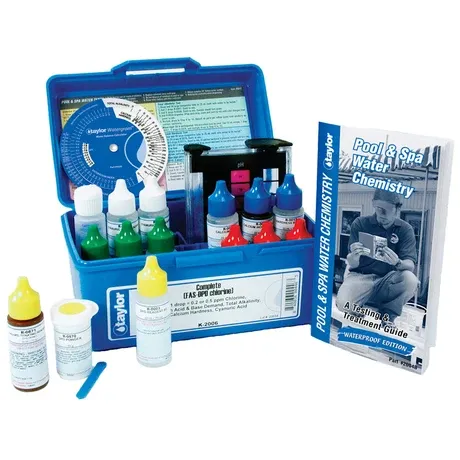
A pool water test kit may be useful for users who prefer a testing process involving measured samples and reagents. Some people may use strips for quick routine checks while keeping another testing method available when more detailed information is desired.
What to Do If You Suspect Damage
If you think sunlight or humidity may have affected your testing supplies, begin by examining the container and strips. Look for moisture, discoloration, sticking, damaged pads, or other unusual changes. Review where the supplies have been stored and how long they have been exposed to those conditions.
When results appear questionable, repeating the test with a fresh, properly stored strip can be a useful comparison. Avoid making significant pool-maintenance decisions based solely on an uncertain reading, particularly when the testing materials themselves may be compromised.
- Inspect the strips before use.
- Check their expiration date.
- Review previous storage conditions.
- Repeat questionable tests with fresh supplies.
- Follow the manufacturer's testing procedure.
- Store replacement strips correctly.
- Discontinue use of visibly compromised materials.
The goal is to maintain confidence in the testing process. Replacing questionable supplies is often simpler than trying to determine exactly how environmental exposure has affected their chemical performance.
Conclusion
Sunlight and humidity can potentially affect pool water testing strips, particularly when exposure is prolonged or storage conditions fall outside the manufacturer's recommendations. Moisture can interact with reactive testing pads, while strong sunlight and heat may contribute to gradual deterioration.
Proper storage is therefore an important part of using testing strips effectively. Keep the container sealed, choose a dry and appropriately shaded location, avoid excessive heat, and handle individual strips with dry hands. Checking expiration dates and watching for visible deterioration can also help identify supplies that should be replaced.
Ultimately, reliable testing depends on both the product and the way it is stored and used. Protecting testing supplies from unnecessary environmental exposure can help support a consistent pool-maintenance routine and make results easier to interpret.
FAQs
Can humidity ruin pool testing strips?
Yes, prolonged exposure to humidity or moisture can affect the reactive materials on testing strips. Keeping the container tightly sealed and storing it in a dry location can help reduce unnecessary exposure.
Can sunlight damage testing strips?
Extended exposure to direct sunlight and heat may contribute to deterioration. Testing supplies are generally better protected when stored in a shaded location that meets the manufacturer's temperature recommendations.
Can I store testing strips beside my pool?
It is generally better to avoid storing them in areas exposed to splashes, humidity, direct sunlight, or excessive heat. A dry, protected location is preferable.
What happens if testing strips become damp?
Moisture can affect the reactive pads before the strips are intentionally used. If strips have become visibly damp or stuck together, replacing them is generally a sensible option.
How should unused strips be stored?
Keep them in their original container, close the lid promptly after removing a strip, and follow the manufacturer's storage instructions regarding temperature, humidity, and light.
Can expired strips still work?
An expired strip may still produce a color change, but its performance may no longer meet the manufacturer's specifications. Fresh supplies are generally preferable for routine testing.
How can I tell if my strips have been damaged?
Look for discoloration, moisture, sticking, brittleness, damaged pads, or unusual results. However, visual inspection cannot always reveal chemical deterioration.
Should I replace strips exposed to high heat?
If strips have been exposed to unusually high temperatures or prolonged direct sunlight, replacing them may be appropriate, especially if results appear inconsistent. Check the manufacturer's storage guidance for specific recommendations.
Can proper storage extend the life of testing strips?
Proper storage can help preserve strips during their intended shelf life, but it does not extend the manufacturer's stated expiration date. Once supplies expire, fresh testing materials are generally the better choice.
Are liquid testing systems affected by storage conditions too?
Yes. Liquid testing reagents can also be affected by factors such as heat, light, moisture, and improper storage. Always follow the storage instructions supplied with the particular product.
























Sign in to leave a comment.