Can Temperature Fluctuations Invalidate Results from a Salt Water Pool Test Kit?

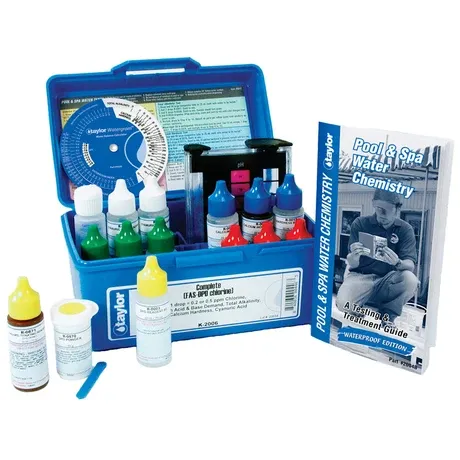
For modern saltwater systems, monitoring salinity levels is just as crucial as tracking pH and sanitizer balance. Exploring how environmental temperature shifts affect diagnostic tools helps maintainers avoid misleading data and improper chemical adjustments.
The Science of Salinity Measurement and Thermal Impact
Salinity monitoring relies on specific chemical reactions or electrical conductivity measurements to determine dissolved sodium chloride concentrations in the water.
However, thermal energy directly influences molecular activity and fluid density within any collected sample. When water samples undergo drastic temperature swings, the underlying analytical reactions can shift unpredictably.

Understanding this thermal sensitivity is essential for preventing erroneous readings that lead to unnecessary chemical additions. Chemical reagents and titration processes are engineered to operate best within specific standard ambient ranges. Recognizing how heat and cold alter physical properties protects the accuracy of your ongoing maintenance routine.
- Thermal energy influences molecular activity and liquid density during analytical evaluations.
- Extreme water temperature shifts alter chemical reaction rates and conductivity measurements.
- Standard operating ranges ensure analytical tools deliver dependable salinity metrics.
How Cold Water Samples Distort Titration Accuracy
When testing water during early spring or late autumn, low sample temperatures can significantly slow down chemical reactions.
In titration-based evaluations, sluggish chemical kinetics may delay color transitions or obscure the precise endpoint. Consequently, maintainers might misread the drop count and incorrectly assume the salinity level is far lower than reality.
Allowing a cold sample to reach room temperature before evaluation is a simple way to overcome this obstacle. Ignoring thermal baselines in colder weather introduces hidden errors into your seasonal pool opening or closing procedures. Proper sample conditioning guarantees reliable data regardless of the outdoor weather
- Low sample temperatures slow down chemical reaction rates during titration checks.
- Sluggish kinetics obscure critical color change endpoints, leading to miscalculations.
- Warming samples to ambient room temperature restores precise analytical reactions.
The Complications of Overheated Water Samples
Conversely, pulling a sample directly from a sun-drenched pool during the peak of summer introduces opposite analytical distortions. Elevated temperatures accelerate chemical reactions and can cause premature color fading or evaporation of the liquid sample.
This thermal stress makes it difficult to match your results against standard reference charts reliably.
Cooling down overly warm water samples before running diagnostics prevents these heat-induced errors from skewing your numbers. Maintaining a consistent testing environment ensures your diagnostic tools function according to engineering specifications. Temperature control is a cornerstone of precise water management.
- Excessive heat accelerates chemical reactions and causes premature color fading.
- Warm water evaporation subtly alters concentration levels during testing procedures.
- Cooling samples to moderate temperatures preserves the integrity of diagnostic indicators.
Utilizing Alternative Diagnostic Formats for Verification
When environmental conditions make liquid drop analysis difficult, utilizing alternative diagnostic formats provides a helpful safety net.
For quick field assessments, many owners rely on convenient salt water pool test kit hardware paired with drop reagents. However, cross-referencing your findings with different tools helps confirm your true salinity profile
Comparing complex titration results against alternative methods ensures you never make major adjustments based on a single compromised sample.
Diversifying your monitoring toolkit empowers you to catch thermal discrepancies before they impact your water balance. Comprehensive verification creates absolute confidence in your maintenance routine.
- Titration drop sets provide detailed mathematical data for salinity tracking.
- Cross-referencing alternative diagnostic methods eliminates thermal guesswork.
- Diverse toolkits improve overall confidence in routine water parameter evaluations.
Rapid Paper Indicators for Field Checks
While precise drop counts remain the gold standard for exact salinity calculations, rapid paper indicators offer unmatched convenience. Utilizing specialized pool salt test strips provides a fast preliminary overview of your water's sodium chloride concentration.
These paper indicators are also subject to temperature influences, making sample conditioning equally important.
Ensuring your testing medium is stored properly and used at moderate temperatures prevents environmental skewing. Quick strips are fantastic for routine weekly check-ins between deep monthly diagnostic sessions. Combining rapid checks with thorough thermal management keeps your pool pristine.
- Rapid paper indicators offer convenient preliminary insight into salinity levels.
- Proper sample conditioning prevents environmental temperature skewing during dip checks.
- Routine weekly checks complement deeper monthly analytical testing sessions.
Establishing Consistent Testing Protocols for Reliable Data
Consistency in your testing routine minimizes the variables introduced by daily weather and environmental changes. Always collecting samples from the same depth, at a similar time of day, and at stable temperatures standardizes your procedure.
Establishing these habits eliminates artificial fluctuations caused by sudden morning frost or intense afternoon sun.
Treating water analysis with scientific discipline ensures your corrective actions are always warranted and effective. Small procedural adjustments save money on unnecessary chemical purchases and protect your equipment from wear. Reliability starts with disciplined and repeatable testing habits.
- Consistent collection times and depths minimize daily environmental variables.
- Standardized testing procedures eliminate artificial fluctuations caused by weather.
- Disciplined routines protect equipment and prevent unnecessary chemical purchases.
Professional Guidance and Quality Maintenance Support
Successfully managing a backyard saltwater environment requires ongoing education, careful observation, and dependable maintenance accessories.
When facing persistent water quality challenges or equipment questions, utilizing reliable diagnostic tools is paramount. For expert advice and premium chemical balancing inventory, trusted industry leaders like Ever-Klear Pool Supply offer exceptional support.
Adhering to structured maintenance protocols safeguards your investment and guarantees a pristine swimming environment all season long.
By understanding how temperature fluctuations affect your diagnostic tools, you can maintain crystal-clear water with complete confidence. Enjoying a safe and inviting aquatic oasis starts with informed water management practices.
- Professional guidance ensures optimal care for all backyard water maintenance tools.
- Premium chemical inventory guarantees effective balancing and reliable upkeep.
- Proper maintenance protocols safeguard your backyard investment and water clarity.
Frequently Asked Questions
Can extreme water temperatures permanently ruin my salinity test reagents?
While short-term extreme temperatures temporarily skew chemical reaction rates or titration endpoints, returning the water sample to room temperature usually restores accuracy. However, storing liquid reagents in freezing or scorching environments will permanently degrade them.
What is the ideal water temperature for running a salt titration test?
Most chemical test kits and indicator reagents are optimized for room temperature environments, typically between 65°F and 75°F (18°C to 24°C). Allowing your sample to acclimate to this range yields the most precise results.
Why do my test results fluctuate between morning and afternoon?
Water temperature changes dramatically throughout the day due to solar radiation and ambient air shifts. These thermal swings alter sample density and chemical reaction kinetics, causing minor variations in your readings if samples are not temperature-conditioned.






Sign in to leave a comment.