Can We Trust Artificial Intelligence? 7 Things Everyone Should Know

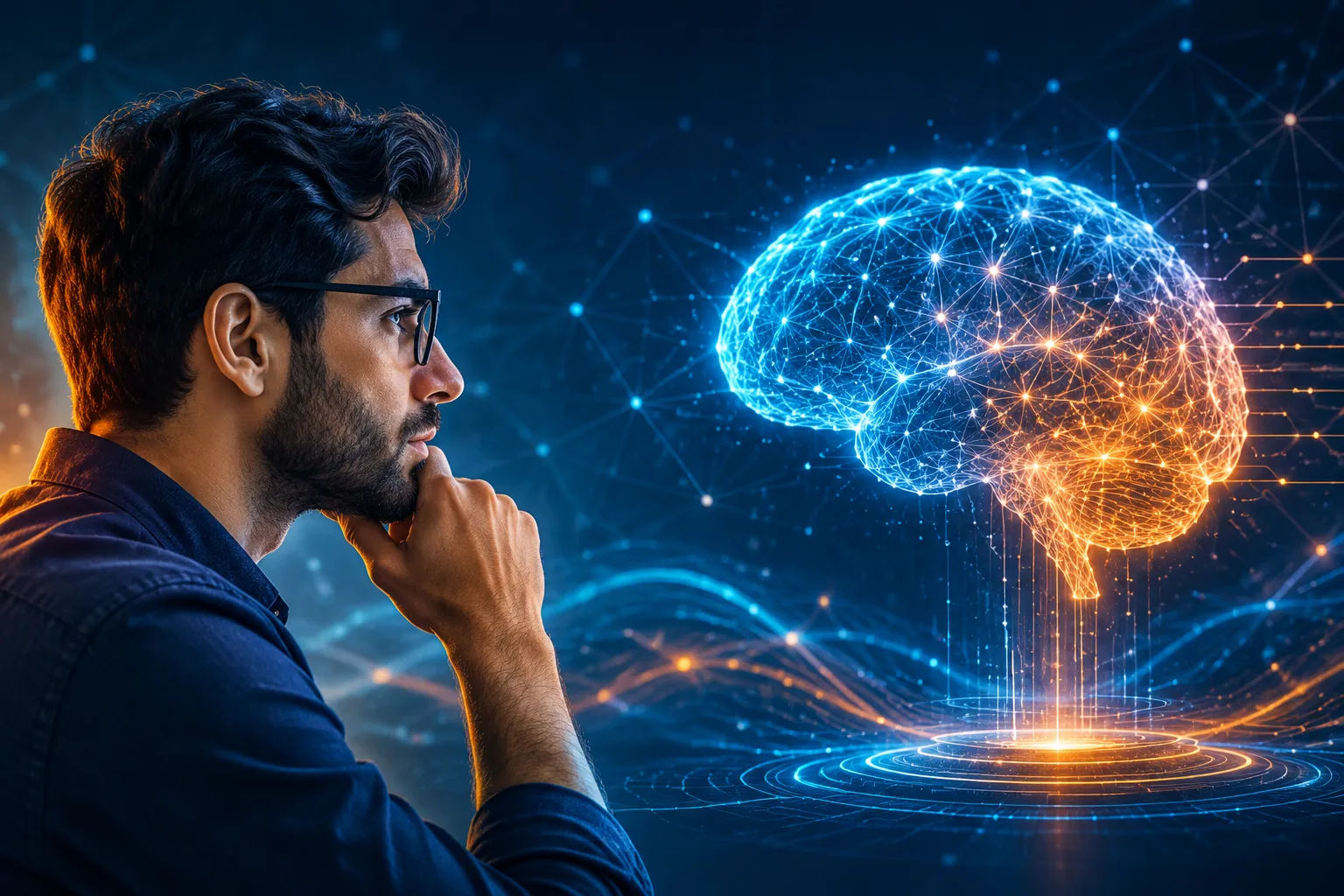
Artificial Intelligence (AI) is changing the way we learn, work, communicate, and solve everyday problems. From AI chatbots and writing assistants to image generators and educational tools, AI technology is becoming a part of our daily lives.
But as AI becomes more powerful, one important question deserves our attention: Can we really trust artificial intelligence?
The answer depends on how we use it, how carefully we check its responses, and how well we understand its limitations.
1. AI Can Make Learning Easier
AI tools can explain difficult concepts, summarize information, suggest learning resources, and help beginners explore new subjects.
For example, someone learning about artificial intelligence can use an AI assistant to understand machine learning, explore real-world applications, or create a personalized study plan.
However, AI should support learning rather than replace independent thinking.
2. AI Is Not Always Correct
One of the biggest mistakes people make is assuming that every AI-generated answer is accurate.
AI systems can produce incorrect facts, outdated information, misleading explanations, or answers that sound convincing but are wrong.
Before relying on an AI response, verify important claims using trustworthy sources. This is particularly important for health, finance, legal matters, and other high-impact decisions.
A Simple Checklist for Verifying AI Answers
Before relying on an AI-generated answer, follow these practical steps:
- Check the source: Look for reliable sources that support the information.
- Verify important facts: Confirm dates, statistics, names, and technical details independently.
- Compare different sources: Do not depend on a single AI response for important decisions.
- Watch for uncertainty: Ask the AI to explain its reasoning or identify information that may need verification, but verify its claims independently.
- Protect sensitive information: Avoid sharing private or confidential data unnecessarily.
For additional guidance, the NIST Artificial Intelligence Risk Management Framework explains how AI risks can be identified and managed. AI-generated answers should be treated as information to evaluate, not as automatically verified facts.
3. Protect Your Privacy When Using AI
Many AI tools allow users to enter questions, upload documents, or share information to receive personalized responses.
Before sharing information, understand the tool's privacy policy and data-handling settings.
Avoid entering passwords, banking details, confidential business information, or sensitive personal data into AI tools unless you have verified that the service is appropriate for that information.
Responsible AI use starts with protecting your privacy.
4. AI Can Support Creativity
AI can help people brainstorm ideas, draft articles, generate images, organize projects, and explore different creative approaches.
Writers can use it to develop outlines, students can use it to explore concepts, and professionals can use it to improve their workflows.
The best results often come when people combine AI assistance with their own knowledge, originality, and judgment.
5. Understand Bias and Limitations
AI systems learn patterns from data, and that data may contain errors, gaps, or biases.
As a result, AI-generated content may sometimes be incomplete, unfair, or misleading.
Do not assume that an AI response is neutral simply because it comes from a computer. Consider different perspectives and check important information against reliable evidence.
6. Use AI as an Assistant, Not an Authority
AI is most useful when it helps people think through questions, discover ideas, and complete tasks more efficiently.
Instead of accepting every answer immediately, ask follow-up questions, request explanations, compare sources, and use your own judgment.
Technology can assist decision-making, but responsibility for important choices should remain with people.
7. The Future of AI Depends on Responsible Use
Artificial intelligence offers exciting opportunities in education, accessibility, research, creativity, and productivity.
At the same time, people need to understand its risks, protect their privacy, check information carefully, and use these tools responsibly.
We do not need to trust AI blindly or reject it completely. We need to understand what it can do, where it can fail, and how to use it wisely.
Join the AI Conversation
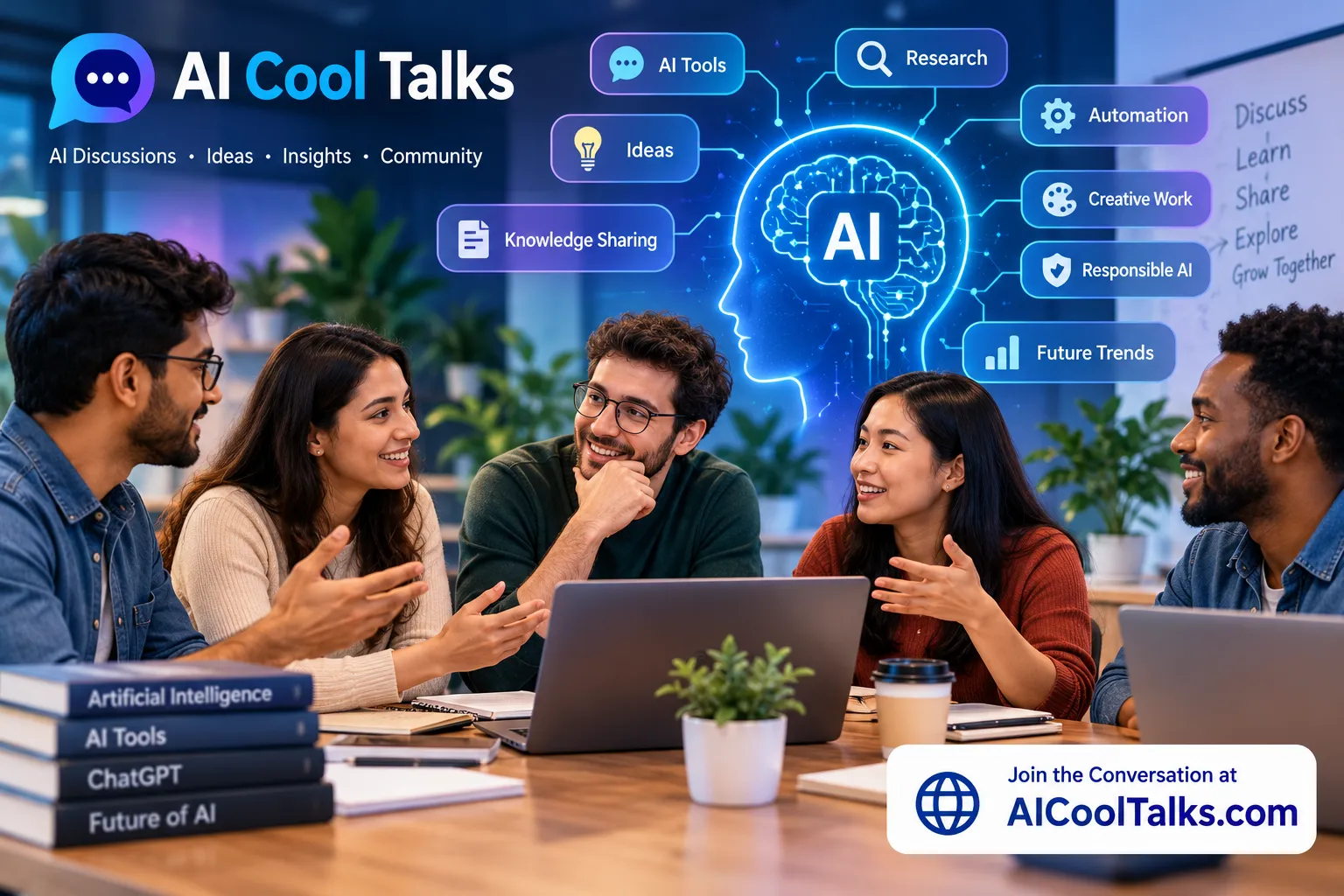
At AI Cool Talks, we believe that meaningful discussions help people understand artificial intelligence from different perspectives.
We invite you to explore AI topics, share your experiences, ask questions, and learn from other people who are interested in the future of technology.
Visit AI Cool Talks: https://aicooltalks.com/
What Do You Think?
- Have you ever received an incorrect answer from an AI tool?
- What is the most useful way you have used AI?
- What concerns you most about the future of artificial intelligence?
Share your thoughts and join the conversation. Your perspective can help others understand AI better.




Sign in to leave a comment.