


Joint and back pain can make everyday activities such as walking, climbing stairs, exercising, or sitting for long periods uncomfortable. While pain can have many causes, body weight can be one factor that influences stress on certain joints and the spine.
Weight management is not a universal solution for pain, and losing weight does not address every underlying cause. However, for some people, maintaining a healthy weight may reduce mechanical stress on weight-bearing structures and make movement easier. When combined with appropriate medical care, physical activity, and other treatments, weight management can be one part of a broader pain management plan.
How Can Body Weight Affect Joint Pain?
The joints in the lower body, particularly the knees, hips, and ankles, carry much of the body's weight during standing and movement. Additional load can increase the mechanical demands placed on these structures.
The knees are particularly important because they absorb forces during activities such as walking, running, climbing stairs, and getting up from a chair. Over time, excessive mechanical stress may contribute to joint discomfort in some individuals, particularly when other factors such as age, previous injury, or osteoarthritis are also present.
Weight management may help reduce some of this load. Even modest changes in body weight may make certain activities more comfortable for some people, although individual responses vary.
The Connection Between Weight and Back Pain
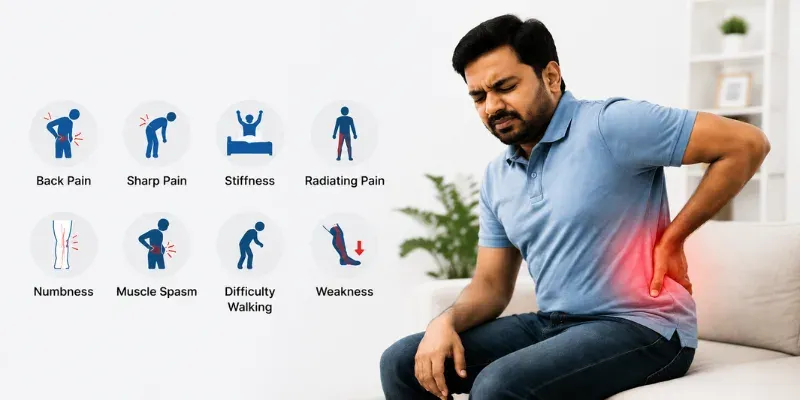
The relationship between body weight and back pain is more complex. Back pain can result from muscle strain, disc-related conditions, arthritis, nerve irritation, injuries, and other factors.
Carrying additional body weight may increase the mechanical demands placed on the spine and surrounding muscles. It can also make certain physical activities more difficult, potentially contributing to reduced strength and mobility.
However, weight is only one potential factor. A person with a healthy body weight can still experience significant back pain, while someone with a higher body weight may not have back problems.
For persistent symptoms, identifying the underlying cause remains important.
Weight Management Is More Than Weight Loss
Weight management does not necessarily mean following a restrictive diet or focusing only on the number on a scale. A sustainable approach can include balanced nutrition, regular physical activity, adequate sleep, and healthy daily routines.
For someone experiencing pain, exercise may need to be adapted. Low-impact activities such as walking, swimming, cycling, or water-based exercise may be easier to tolerate than high-impact activities.
The appropriate activity depends on the individual's condition, fitness level, pain severity, and medical history.
How Exercise Can Support Both Weight and Pain Management
Regular movement can serve two purposes: supporting healthy body composition and maintaining physical function.
Strength training can help develop the muscles that support the spine and joints. Improved muscle strength may make everyday movements easier and can help people remain physically active.
Flexibility and mobility exercises may also help maintain a comfortable range of movement. For people with existing pain, a gradual approach is generally more practical than suddenly starting an intense exercise program.
Physical therapy can be particularly useful when pain makes exercise difficult. A professional can help develop a program based on the person's abilities and limitations.
Nutrition and Joint Health
A balanced diet can support overall health while making weight management more sustainable. Meals that include vegetables, fruits, whole grains, adequate protein, healthy fats, and nutrient-rich foods can contribute to a balanced eating pattern.
Nutrition alone cannot eliminate most causes of joint or back pain. However, maintaining a healthy eating pattern can support energy levels, physical activity, and general well-being.
People with specific medical conditions or nutritional concerns may benefit from discussing dietary changes with an appropriate healthcare professional or registered dietitian.
Weight Management and Knee Pain
Knee pain is particularly relevant when discussing body weight because the knees repeatedly support the body during everyday movement.
Osteoarthritis is one common cause of persistent knee pain. It involves changes to the joint and surrounding structures and can be influenced by several factors, including age, previous injuries, genetics, activity levels, and body weight.
For people with ongoing knee symptoms, weight management may be included alongside other treatments such as physical therapy, exercise, medication, or selected procedures.
A Knee Pain Doctor in Newport Beach can evaluate persistent knee symptoms and help determine which treatment options may be appropriate based on the individual's condition.
Weight Management and Back Pain Treatment
When back pain is associated with multiple factors, treatment often requires more than one approach.
A management plan may include physical therapy, strengthening exercises, posture and movement education, lifestyle changes, medication, or selected interventional treatments.
Weight management may complement these approaches when appropriate. However, it should not delay evaluation of persistent or worsening back pain.
People experiencing ongoing symptoms can consult a Back Pain Doctor in Newport Beach to discuss possible causes and treatment options.
What If Weight Loss Does Not Relieve the Pain?
It is important to understand that weight management is not a guaranteed treatment for pain.
Pain can continue even after a person reaches a healthier weight because the underlying cause may involve arthritis, an injury, nerve irritation, structural changes, or another condition.
If pain persists, further evaluation may be necessary. Treatment can then be adjusted based on the underlying problem rather than focusing solely on body weight.
Other Non-Surgical Treatment Options
Depending on the condition, patients may have several non-surgical treatment options. These can include physical therapy, exercise programs, medications, lifestyle modifications, and selected injections.
Some patients may also be candidates for regenerative approaches such as platelet-rich plasma, or PRP. PRP is prepared from a patient's own blood and is being studied for various musculoskeletal conditions.
Those considering PRP Injections for Natural Rejuvenation should discuss whether the treatment is appropriate for their specific condition and understand that outcomes can vary.
Setting Realistic Goals
Pain management and weight management are both long-term processes. Setting realistic goals can make changes easier to maintain.
Instead of focusing exclusively on weight, patients may also track improvements in walking ability, strength, mobility, sleep, exercise tolerance, and everyday activities.
For someone with joint pain, being able to walk farther or climb stairs more comfortably may be a meaningful measure of progress.
When Should You Seek Medical Evaluation?
Persistent joint or back pain should not automatically be attributed to body weight. Professional evaluation may be appropriate when pain continues for several weeks, repeatedly returns, worsens, or interferes with normal activities.
Urgent medical attention may be needed when pain is accompanied by significant weakness, severe numbness, bowel or bladder changes, fever, unexplained weight loss, or follows significant trauma.
Getting an accurate assessment can help identify the cause and determine whether weight management should be part of the treatment plan.
Final Thoughts
Weight management may play a useful role in managing certain types of joint and back pain, particularly when excess body weight contributes to mechanical stress or makes physical activity more difficult. However, it is only one part of a comprehensive approach.
A sustainable plan can combine appropriate nutrition, gradual physical activity, strength training, physical therapy, and medical treatment when necessary. Most importantly, treatment should be based on the underlying cause of pain rather than weight alone.
With individualized guidance, patients can work toward improving mobility, maintaining physical function, and managing pain in a way that fits their health needs and everyday goals.































Sign in to leave a comment.