

"How soon can I get back to my routine?" It's often the first practical question patients ask, right after "Is the surgery safe?" Work, family duties, and financial responsibilities don't pause for recovery. If you're searching for the best robotic gastro surgeon in Ahmedabad, knowing what recovery really looks like can help you plan with confidence instead of guesswork.
Quick answer: Many patients return to desk-based work within one to two weeks after robotic surgery, and to physically demanding work within four to six weeks. The exact timeline depends on the procedure, your health, and your job.
Why Is Recovery Often Faster After Robotic Surgery?
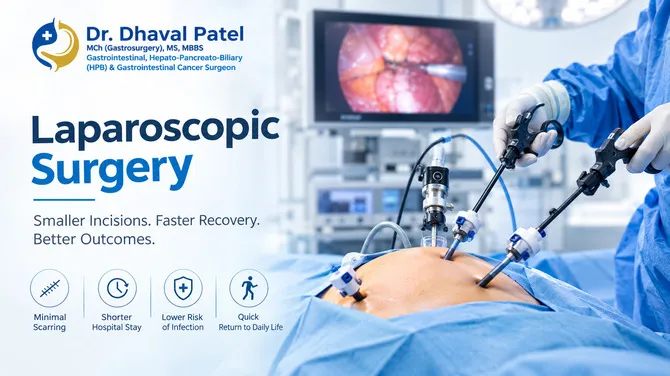
Robotic surgery is performed through a few small incisions. The surgeon controls the robotic instruments with a magnified 3D view, which allows precise movements with less handling of surrounding tissue.
- Smaller cuts mean less pain and less scarring
- Blood loss is usually lower
- Infection risk at the wound site tends to be lower
- Hospital stays are often shorter than with open surgery
Less trauma to the body generally means a gentler, quicker recovery. That said, "faster" doesn't mean "instant," and every body heals at its own pace.
What Should You Expect in the First Few Days?
Feeling tired and a little sore is normal. Knowing what's expected can calm unnecessary worry.
- Mild pain near the small incisions, controlled with prescribed medication
- Bloating or shoulder discomfort from the gas used during surgery, which usually settles in a day or two
- Low energy, especially in the first week
- A lighter appetite at first
Call your surgeon promptly if you notice fever, worsening pain, redness or discharge at an incision, or repeated vomiting.
What Affects How Soon You Can Return to Work?
Two patients with the same surgery can have different recovery times. These factors matter most:
- Type of surgery: A gallbladder removal heals faster than a major cancer operation
- Your job: Desk work is easier to resume than jobs involving lifting or long hours on your feet
- Overall health: Diabetes, anemia, or heart conditions can slow healing
- Age and fitness: Fitter patients often bounce back sooner
- Following instructions: Rest, walking, and wound care make a real difference
What Is a Realistic Return-to-Work Timeline?
These are general ranges, not promises. Your surgeon will guide you based on your progress.
- Desk or remote work: about 1 to 2 weeks
- Light physical work: about 2 to 4 weeks
- Heavy lifting or labor-intensive work: about 4 to 6 weeks, sometimes longer
- After major cancer surgery: often longer, and planned individually
If you can, ease back in with shorter days or a phased schedule. Rushing back too soon is a common reason for setbacks.
How Can You Support a Smoother Recovery?
- Walk a little every day, starting as soon as your doctor allows
- Avoid lifting anything heavy until you're cleared
- Eat light, protein-rich meals and drink enough water
- Sleep well; healing happens during rest
- Keep follow-up appointments, even if you feel great
Who May Need a Longer Recovery?
Some patients should plan for extra time.
- Older adults or those with several health conditions
- People who had a more complex or cancer-related operation
- Patients with previous abdominal surgeries
- Anyone who smokes, since smoking slows wound healing
If you fall into one of these groups, it isn't a bad sign. It simply means your recovery plan should be more personal.
Final Thoughts
Robotic surgery can make recovery smoother, but a safe return to work depends on your body's signals and your surgeon's advice. Listening to both will serve you better than following a calendar.
If you're looking for the best robotic gastro surgeon in Ahmedabad, choose someone who explains your recovery clearly, not just the procedure. Dr. Dhaval Patel takes time to plan each patient's treatment and recovery so you know what to expect at every stage.
Visit us:
https://drdhavalpatelgastrosurgeon.com/robotic-gastro-surgeon-in-ahmedabad/






















Sign in to leave a comment.