

Many owners wonder whether diagnostic materials designed for large backyard swimming structures can be used interchangeably in smaller hot tub environments. While both systems rely on similar chemical colorimetric reactions, subtle differences in formulation and calibration exist.
Understanding these operational nuances ensures that your equipment remains protected and your relaxation environment stays comfortable. Evaluating water properties correctly prevents unexpected chemical imbalances from developing during routine home use.
Evaluating Chemical Calibration Differences Between Systems
Water volume and operating temperatures vary drastically between a large backyard pool and a heated home spa. Because hot tubs operate at significantly higher temperatures, sanitizers and balancing agents dissipate much faster. Diagnostic materials built for large vessels are often calibrated for broader numerical thresholds rather than tight hot tub ranges.
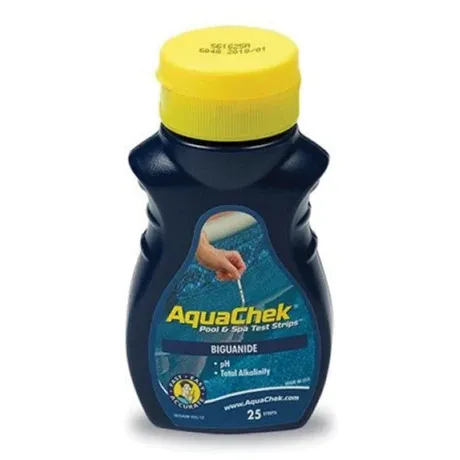
Relying on mismatched evaluation tools can occasionally lead to misreadings of sanitizer effectiveness. Utilizing dedicated spa test strips ensures that the sensitivity levels align properly with high-heat aquatic environments.
- Higher operating temperatures accelerate chemical reactions and evaporation rates significantly.
- Smaller water capacities mean that chemical adjustments create much more dramatic concentration swings.
- Dedicated hot tub diagnostics account for these unique thermal and volumetric operational factors.
Analyzing Sanitizer Type Variations in Heated Waters
Many backyard swimming setups utilize traditional chlorine compounds, whereas home hot tubs frequently rely on bromine or specialized sanitizing agents. Standard diagnostic materials might lack the specific chemical pads needed to measure alternative sanitizers accurately. Using an incorrect evaluation medium can leave alternative sanitizers completely untracked.
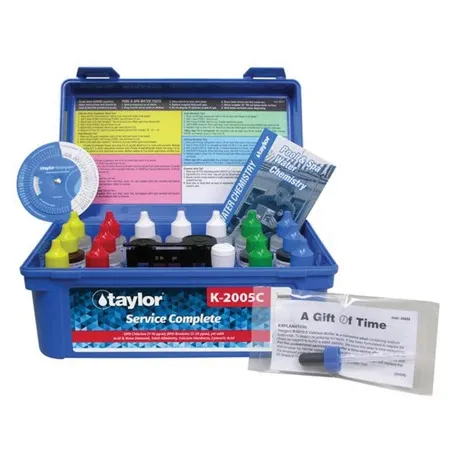
Ensuring your diagnostic tools match your primary sanitizer prevents false assumptions about water safety. For thorough multi-parameter analysis in traditional setups, some maintainers prefer utilizing a comprehensive taylor pool test kit for detailed liquid drop evaluations.
- Alternative sanitizers like bromine require specialized reactive pads for correct measurement.
- Unmatched test pads can display misleading readings during routine maintenance checks.
- Matching your diagnostic medium to your sanitizer safeguards bather comfort consistently.
Assessing the Impact of High Temperatures on Color Blocks
Ambient heat and elevated water temperatures influence how chemical pads react during sample evaluation. When testing warm water samples directly, reaction speeds can accelerate beyond normal parameters. This thermal acceleration occasionally causes color blocks to shift past their true value.
Being aware of temperature-induced color distortions helps you interpret results with greater confidence. Consistent handling procedures protect your maintenance routine from unnecessary errors.
- Warm water samples can cause chemical reagents to react prematurely on paper pads.
- Reading results outside the recommended timeframe skews final chemical interpretations.
- Allowing water samples to cool slightly before testing improves overall accuracy.
Understanding pH Range Nuances in Compact Vessels
Acidity levels fluctuate more rapidly in heated environments due to aeration from jets and frequent bather loads. A balanced pH range protects internal heater elements and acrylic shells from corrosive damage. While general test papers show broad acidity, hot-tub-specific options feature refined gradients for tight control.
Precision in monitoring acidity prevents costly repairs to specialized heating and pumping hardware. Maintaining tight control over these parameters extends the operational lifespan of your relaxation vessel.
- Excessive acidity corrodes metal heater components and degrades plumbing seals rapidly.
- High basicity leads to stubborn calcium scaling on acrylic surfaces and jet nozzles.
- Refined color gradients help maintain optimal comfort throughout every soaking session.
Managing Total Alkalinity Buffers in Small Volumes
Total alkalinity acts as the primary defense against erratic acidity shifts in closed aquatic systems. When buffer levels drift outside recommended parameters, managing secondary chemicals becomes exceptionally difficult. Regular tracking ensures that your buffer remains stable despite heavy bather usage.
Keeping alkalinity within proper boundaries saves time and reduces overall chemical expenditures. Proactive monitoring prevents sudden water chemistry lockouts.
- Unstable buffers allow acidity levels to fluctuate wildly with minimal provocation.
- Proper buffering capacity protects your sanitizing agents from premature degradation.
- Routine tracking ensures predictable chemical behavior during weekly maintenance.
Avoiding False Readings from Compromised Testing Materials
Diagnostic papers degrade rapidly when exposed to humidity, heat, and direct sunlight around outdoor relaxation areas. Storing containers in humid environments destroys active chemical reagents, leading to faded or unresponsive pads. Inspecting your supplies regularly prevents misguided chemical treatments.
Fresh testing media guarantees that your maintenance adjustments are grounded in reliable data. Eliminating expired supplies saves money and protects water clarity.
- High humidity around hot tub decks quickly ruins unused paper indicators.
- Tightly sealing container caps prevents moisture contamination between testing sessions.
- Rotating inventory ensures old materials never compromise your water care routine.
Sourcing Expert Guidance for Optimal Water Balance
Achieving crystal-clear water in a compact relaxation vessel combines routine testing with proper equipment care and expert education. Whether you manage your system with specialized paper indicators or drop-based reagents, consistency remains paramount. For professional advice, specialized maintenance compounds, and reliable equipment, consult trusted experts like Ever-Klear Pool Supply.
Investing in quality supplies and reliable education ensures your backyard oasis stays pristine and inviting all year. Proactive management creates a safer, more enjoyable environment for leisure and relaxation.
- Expert guidance helps troubleshoot stubborn water chemistry challenges effectively.
- Quality maintenance products extend the operational lifespan of pool and spa equipment.
- Consistent routines transform complex water care into a simple, rewarding habit.
Frequently Asked Questions
- Can I use standard pool test papers in my hot tub safely?
While they provide a rough estimate, pool papers are often calibrated differently and may not account for high temperatures or alternative sanitizers like bromine.
- How often should I test my hot tub water chemistry?
It is recommended to test hot tub water at least two to three times a week due to the high water temperatures and heavy bather loads.
- Why do test pads change color so quickly in warm water?
Elevated temperatures accelerate chemical reactions on the paper pads, which is why following the manufacturer's precise timing instructions is essential.
- What is the ideal pH range for a home spa?
The optimal range sits between 7.2 and 7.8, ensuring bather comfort and protecting internal heating elements from corrosion.


















Sign in to leave a comment.