Captive Power Plants in Surat: The Smarter Way Local Factories Are Beating Rising Energy Bills


If you run a unit anywhere around Surat's industrial belt, you already know the feeling. The order book looks healthy, production is steady, and then the electricity bill arrives and quietly takes a bite out of everything.
Power is expensive here, and it keeps getting more so. For a typical textile mill, energy is the second-largest cost after raw material - somewhere between 15 and 20% of what it takes to finish the cloth. Grid tariffs hover around ₹8 a unit and creep up 5-6% almost every year. Over time, that's real money.
A growing number of factories have found a way out. Captive power.
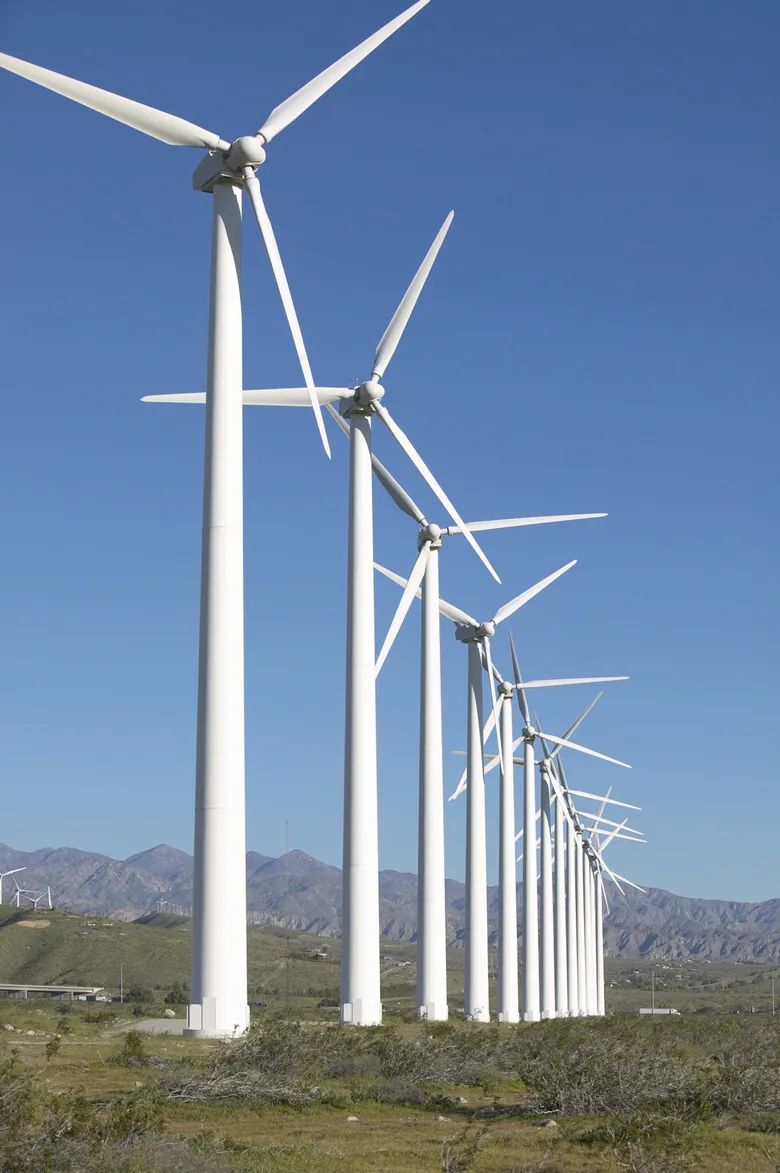
The concept isn't complicated, even if the terminology tries to be. Rather than buying every unit from the DISCOM, you set up your own generation - usually solar, sometimes wind - and use that electricity directly. That's what captive power systems come down to. You own the plant, you consume the output, and your cost per unit gets locked in for the next 25 years.
The savings aren't theoretical. Take a 500 kWp system at a Surat spinning mill, installed for roughly ₹2 to 2.5 crore. It shaves close to ₹50 lakh off the annual electricity bill, with the whole thing paying for itself in about four years. Everything after that is nearly free power for another two decades.
There's flexibility in how you get there, too. Have spare roof or land? An on-site plant is the simplest option. If you don't, a group captive arrangement works - a shared solar farm that wheels power to you through open access. The catch is the rulebook: you need at least 26% equity in the plant and have to consume 51% of your share. Meet both, and you're exempt from the cross-subsidy surcharge, which is how the delivered rate drops to around ₹3.5–4 a unit.
Where you buy from counts as much as what you buy. Part of why Captive Power Plants in Surat have taken off is that the developers are local - they know the grid, and it shows at commissioning. KP Group, based right here in Surat, has built much of its business around captive solar and wind for Gujarat's industries. When the team handling your project already knows the DGVCL process inside out, a lot of the usual friction disappears.
One honest word of caution. Captive power isn't a magic switch. Solar runs in daylight while most mills run around the clock, so load-matching and banking charges deserve careful thought. Oversize the plant for your daytime use and the returns quietly shrink. Get the sizing right, and the economics are hard to beat.
The larger trend is clear enough. Grid power keeps getting costlier and more tangled every year. Captive generation moves the other way - once it's up, your energy cost mostly stops surprising you. If your monthly power bill is running past ₹15 lakh, this is worth an afternoon with a calculator. The math tends to speak for itself.





Sign in to leave a comment.