Cardiac Diabetic PCD Franchise: India's Growth Segment


India is in the middle of a health shift that few industries have felt as directly as pharmaceuticals. Heart disease and diabetes, once considered problems of later life, are now showing up in people in their 30s and 40s. Hospitals are seeing more cardiac admissions every year, and diabetes clinics are running at capacity in cities and small towns alike.
For pharma entrepreneurs, this isn't just a public health statistic — it's a market signal. Demand for reliable, doctor-trusted cardiac and diabetic medicines is growing faster than almost any other therapeutic category, and it's pulling the PCD (Propaganda Cum Distribution) franchise model along with it.
This article breaks down why cardiac and diabetic diseases have become the engine behind India's fastest-growing pharma franchise segment, what that means for someone considering a cardiac diabetic PCD franchise, and how to evaluate a partner company the right way.
The Health Trend Behind the Business Opportunity
Cardiac Disease Is No Longer an "Old Age" Problem
Cardiovascular disease is now the leading cause of death in India, and the average age of a first heart attack has been dropping for years. Sedentary jobs, high-stress lifestyles, tobacco use, and diets heavy in processed food are pushing risk factors like hypertension and high cholesterol into younger populations.
This translates into consistent, long-term demand for:
- Antihypertensive medicines
- Statins and lipid-lowering drugs
- Anticoagulants and antiplatelets
- Cardiac supportive nutraceuticals
Diabetes Has Become a National Health Crisis
India is often called the "diabetes capital of the world," and the numbers back it up. Type 2 diabetes prevalence continues to climb, driven by obesity, poor dietary habits, and genetic predisposition within the population.
Diabetic patients rarely need a single prescription — they typically require ongoing management across:
- Oral hypoglycemics (metformin-based combinations, sulfonylureas, DPP-4 inhibitors)
- Insulin and insulin analogues
- Diabetic neuropathy and nephropathy support
- Diabetic foot care and wound management products
Because both conditions require lifelong, repeat medication rather than a one-time cure, they create the kind of recurring prescription volume that makes a franchise business genuinely sustainable — not dependent on seasonal spikes like cough-and-cold products.
Why This Segment Suits the PCD Franchise Model So Well
A PCD pharma franchise works by giving an individual or small distributor the rights to market and sell a company's products within a defined territory, using the parent company's brand name, product range, and promotional support.
Cardiac and diabetic therapy areas fit this model unusually well for a few reasons:
- Repeat prescriptions build loyal customer bases. Once a doctor trusts a brand for managing hypertension or diabetes, they tend to keep prescribing it.
- Chronic disease management needs local relationships. Franchise partners who build rapport with cardiologists, diabetologists, and general physicians in their territory have a natural edge over large national distributors.
- Low marketing overhead compared to acute-care drugs. Doctors managing chronic patients already know what they're looking for — clinical data, quality certification, and consistent supply matter more than aggressive advertising.
- Franchise partners get an established product basket. Instead of building a portfolio from scratch, a franchisee gets access to WHO-GMP and ISO-certified formulations covering the full cardiac-diabetic range on day one.
Market Snapshot: Cardiac and Diabetic PCD Franchise vs Other Segments
| Factor | Cardiac & Diabetic PCD Franchise | General/Acute Care Franchise |
|---|---|---|
| Demand pattern | Continuous, chronic-use based | Seasonal, symptom-triggered |
| Customer retention | High (long-term therapy) | Lower (short courses) |
| Prescription volume growth | Rising year-on-year | Relatively flat |
| Doctor relationship value | High — repeat prescribers | Moderate |
| Business stability | Strong, less affected by seasons | More cyclical |
| Investment payback | Comparatively faster due to volume | Slower in low season |
This is exactly why more distributors and medical representatives are actively looking to switch into or add a cardiac diabetic PCD franchise to their existing portfolio.
What Makes a Cardiac Diabetic Pharma Franchise Company Worth Partnering With
Not every company offering this franchise model delivers the same quality or support. Before signing on, it's worth checking a few non-negotiables.
1. Manufacturing Standards
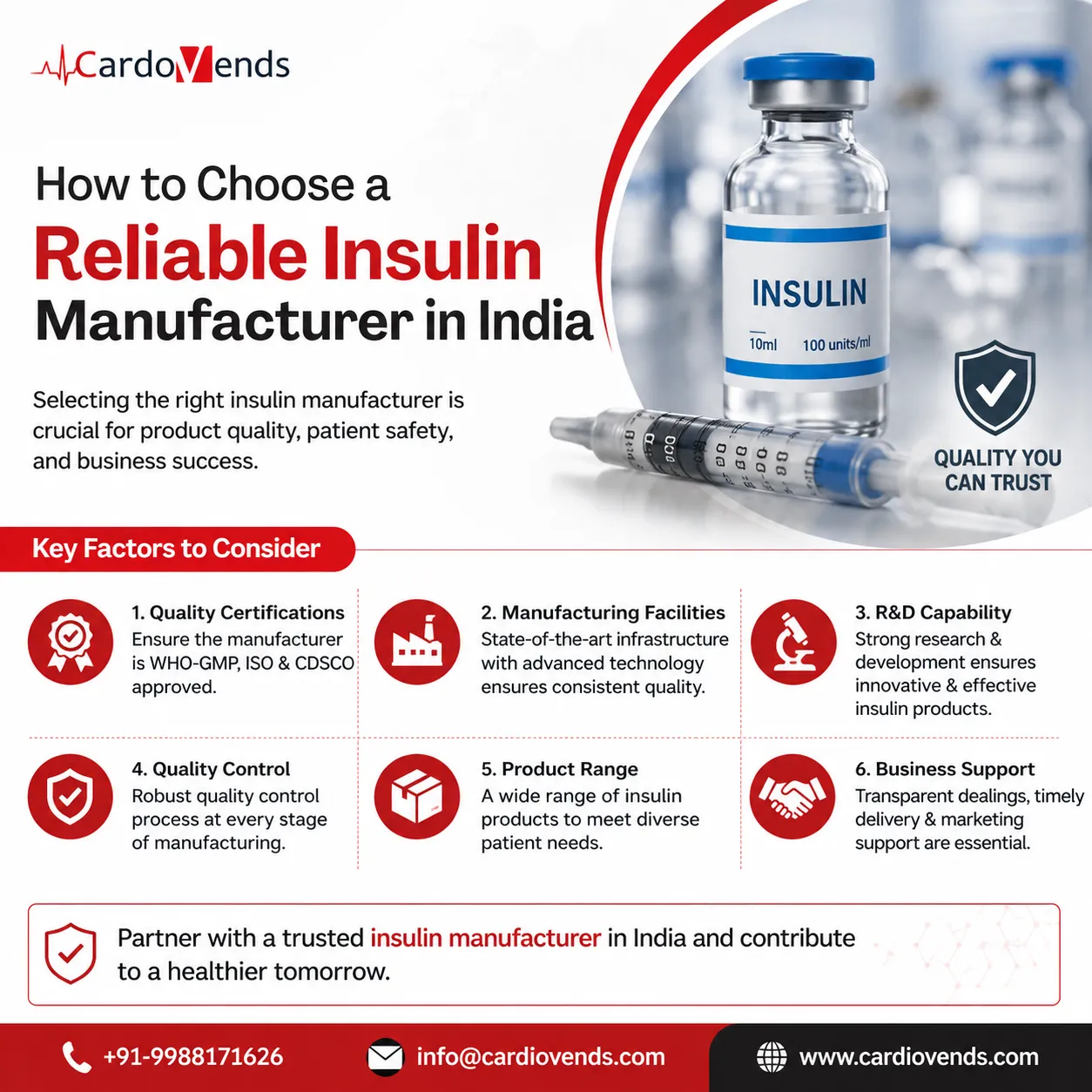
Look for WHO-GMP and ISO certification, and ideally a company that manufactures in its own facility rather than relying entirely on third-party contract manufacturing. This affects both product consistency and your ability to guarantee supply.
2. Product Range Depth
A strong cardiac diabetic PCD pharma franchise company should offer coverage across:
- Hypertension management
- Cholesterol and lipid control
- Diabetes (oral and insulin-based)
- Diabetic complication care (neuropathy, nephropathy, foot care)
- Cardiac supportive nutraceuticals and multivitamins
3. Regulatory and Documentation Support
Check whether the company provides proper documentation — drug licenses, product certificates, MOU/agreement copies — since this affects your ability to market legally and confidently to doctors and retailers.
4. Monopoly Rights and Territory Protection
Monopoly-based distribution rights in your assigned area protect you from internal competition with other franchisees of the same company, which is critical in a segment where doctor relationships take time to build.
5. Promotional and Marketing Material
Visual aids, product literature, MR bags, and sample kits reduce the burden on new franchise partners who are still building their field presence.
If you're evaluating options in this space, resources like the best cardiac and diabetic PCD company in India guide can help you compare companies against these exact benchmarks before committing.
Expert Tips for Building a Successful Cardiac Diabetic PCD Franchise
- Start with therapy-focused doctor mapping. Identify cardiologists, diabetologists, and general physicians in your territory before you start selling — relationships come first, orders follow.
- Stock combination therapies. Many cardiac and diabetic patients are on multiple medications simultaneously; carrying combination products reduces the number of brands a doctor needs to prescribe from.
- Track expiry and batch rotation carefully. Chronic-care products move steadily but not explosively — inventory discipline protects margins.
- Invest in patient counseling material. Simple, translated dosage and lifestyle guidance for patients builds trust with prescribing doctors, especially in Tier 2 and Tier 3 cities.
- Reassess your product basket annually. New combination drugs and updated treatment guidelines are released regularly in cardiology and diabetology — staying current keeps your offering competitive.
The Road Ahead for This Segment
Every indicator — rising urbanization, changing diets, an aging population, and improving diagnostic access in smaller cities — points toward continued growth in cardiac and diabetic patient numbers over the next decade. For pharma entrepreneurs, that's less a warning and more a roadmap: this is a segment built for the long term, not a short-term trend to chase.
Choosing the right manufacturing partner, with genuine quality certifications and a complete product range, is what separates a franchise that grows steadily from one that struggles with supply gaps and inconsistent doctor trust.
Frequently Asked Questions
1. What is a cardiac diabetic PCD franchise? It's a business arrangement where a pharma company grants an individual or firm the rights to market and distribute its cardiac and diabetic medicine range in a specific territory, using the company's brand name and product portfolio.
2. How much investment is typically required to start this franchise? Investment varies by company and territory size, but most cardiac diabetic PCD franchises can be started with a moderate initial investment covering stock purchase, registration, and basic promotional material. It's best to request a detailed cost breakdown directly from the franchise company.
3. Is a pharmacy or medical background required to start a PCD franchise? A pharmacy background helps but isn't always mandatory. Many successful franchise partners come from a sales, distribution, or general business background and rely on the parent company's product training and support.
4. What documents are usually needed to apply for a PCD franchise? Typically required documents include a valid drug license, GST registration, and sometimes a retail/wholesale license depending on your state's regulations. Requirements can vary, so confirm directly with the company you're partnering with.
5. Why is the cardiac and diabetic segment considered more stable than other pharma categories? Because both conditions are chronic and require ongoing medication rather than one-time treatment, demand stays consistent throughout the year instead of fluctuating with seasons.
6. Can I run a cardiac diabetic franchise alongside an existing pharma distribution business? Yes, many distributors add this segment to their existing product lines since it complements general and specialty categories without significant overlap.
7. How do I verify if a franchise company's products are genuinely WHO-GMP certified? Ask for certification documents directly and cross-check the manufacturing license details with your state's drug control authority or the certifying body's records.
8. What is the biggest mistake new franchise partners make in this segment? Underestimating the importance of doctor relationships. In chronic disease categories, prescription loyalty is built over months of consistent quality and communication, not overnight sales pushes.
Conclusion
The rise of cardiac and diabetic diseases in India isn't a passing trend — it's a demographic and lifestyle shift that's reshaping how the country manages chronic illness. For pharma professionals looking at where to invest their time and capital, this segment offers something rare: steady, recurring demand backed by genuine medical need.
Success in this space still comes down to fundamentals — partnering with a manufacturer that has real certifications, a complete product range, and a track record of supporting its franchise partners. Get that right, and the growing patient population does the rest of the work for you.






Sign in to leave a comment.