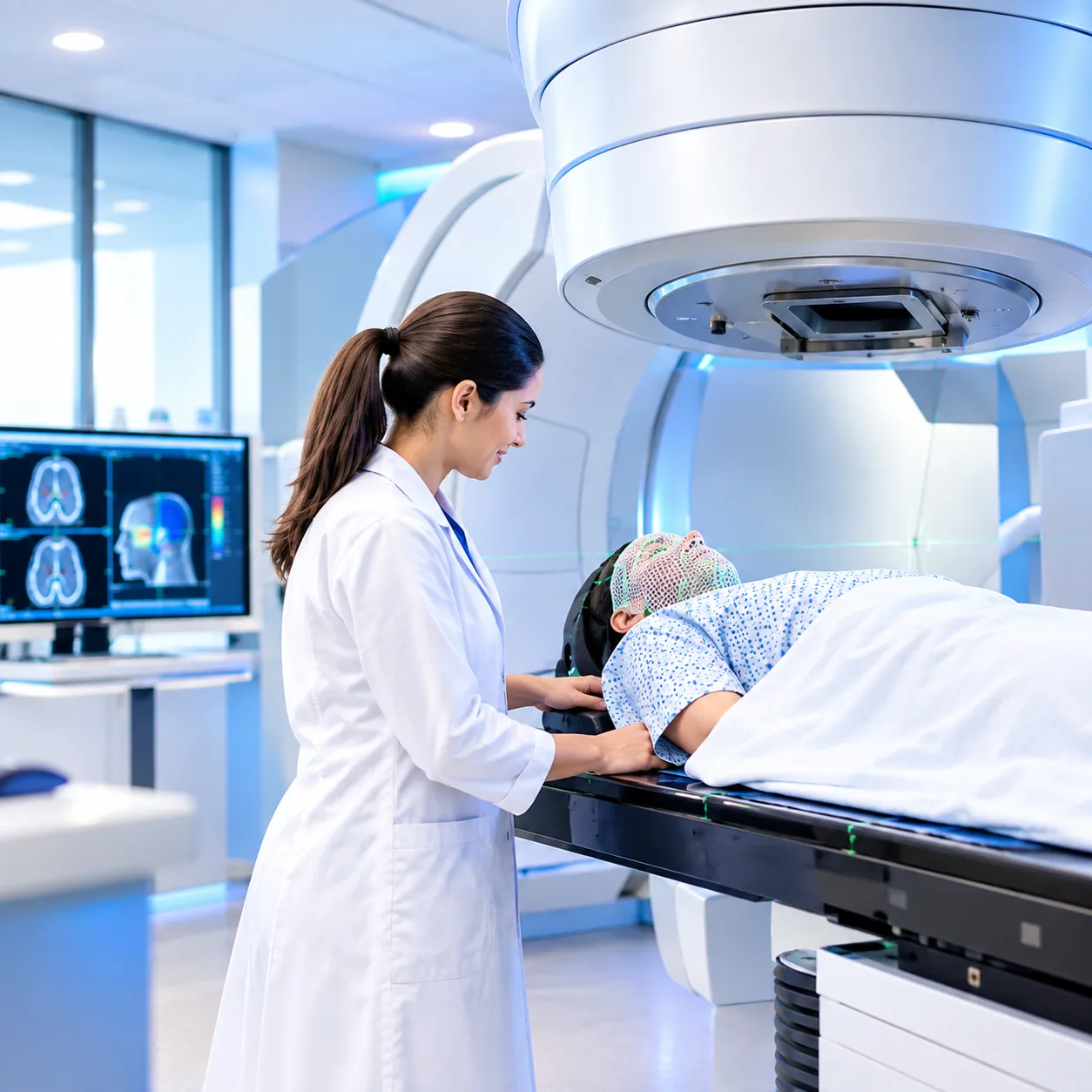


A career in radiation therapy can be a rewarding choice for students interested in healthcare, technology, science, and patient care. Radiation therapists play an important role in cancer treatment by using advanced radiation technology to deliver carefully planned treatments while supporting patients throughout their treatment journey.
For students considering this profession, understanding the education requirements, essential skills, career opportunities, and professional growth options can make the pathway much clearer.
What Is Radiation Therapy?
Radiation therapy is an important part of cancer care that uses high-energy radiation to treat cancer and other conditions. Radiation therapists work as part of a multidisciplinary healthcare team and help deliver prescribed treatments accurately and safely.
The profession combines technical knowledge with direct patient interaction. Radiation therapists need to understand treatment procedures and technology while also providing patients with reassurance, communication, and compassionate care.
Education for a Career in Radiation Therapy
Education is one of the most important steps toward becoming a radiation therapist. Programs generally include subjects related to anatomy, physiology, physics, radiation therapy procedures, patient care, and treatment technology. Clinical education also provides students with practical experience in a healthcare environment.
In Canada, students should carefully research accredited radiation therapy programs and understand the requirements for professional certification and provincial registration. RT Futures provides resources covering Canadian programs, school requirements, career pathways, certification guidance, and provincial registration.
Choosing the right educational program can help students develop the academic knowledge and clinical skills required for a successful career.
Skills Needed to Become a Radiation Therapist
A successful radiation therapist needs a combination of technical and interpersonal skills. Important qualities include:
- Strong attention to detail
- Communication and interpersonal skills
- Compassion and empathy
- Ability to work as part of a healthcare team
- Understanding of science and technology
- Organizational and time-management skills
- Patient-care abilities
- Commitment to safety and accuracy
Radiation therapy requires precision because treatment involves carefully planned doses and procedures. At the same time, therapists work closely with patients who may be experiencing a challenging period in their lives, making compassion and communication equally important.
Career Opportunities in Radiation Therapy
A radiation therapy education can open the door to several professional opportunities within cancer care and related healthcare environments. Radiation therapists may work in hospitals, cancer centres, outpatient facilities, and other healthcare settings, depending on their qualifications and location.
The broader radiation therapy field also includes professionals such as radiation oncologists, medical physicists, dosimetrists, radiation oncology nurses, and other members of the multidisciplinary oncology team.
With additional education, experience, and professional development, radiation therapists can also explore opportunities for specialization, leadership, education, or related areas of radiation oncology.
Growth Opportunities in the Profession
Radiation therapy continues to evolve alongside advances in medical technology and cancer treatment. Professionals can build their careers by developing technical expertise, gaining clinical experience, pursuing additional education, and staying current with developments in the field.
For example, the U.S. Bureau of Labor Statistics notes that experienced radiation therapists may pursue additional education and certification to move into roles such as medical dosimetry.
In Canada, RT Futures highlights a clear pathway from education and clinical preparation to certification and provincial registration, helping students understand what they can expect as they progress toward professional practice.
Why Choose a Career in Radiation Therapy?
A career in radiation therapy can offer a meaningful combination of healthcare, technology, teamwork, and patient interaction. Professionals have the opportunity to contribute directly to cancer care while working with sophisticated medical technology.
For students who enjoy science and technology but also want a people-focused healthcare career, radiation therapy can be an especially interesting pathway.
Start Planning Your Future
Choosing a healthcare career is an important decision, and having reliable information can make the process easier. Students should explore program requirements, understand the education pathway, develop relevant skills, and learn about certification and registration requirements before making their career plans.
RT Futures is designed to help students and families explore radiation therapy as a Canadian healthcare career. From understanding the profession and comparing Canadian programs to learning about certification, career pathways, and professional development, RT Futures provides practical resources for people planning their future in radiation therapy.
If you are ready to explore a career in radiation therapy, visit RT Futures to discover helpful career resources, educational guidance, and information designed to help you move from curiosity toward a rewarding healthcare profession.























Sign in to leave a comment.