

Finishing a doctoral thesis is a quiet kind of achievement. After years of reading, data work and revisions, there is a defence, a few congratulations and then a surprisingly open question about what comes next. The good news is that the options are broader than most scholars assume at the start. Here is a realistic look at where graduates of a Fellow Programme in Management tend to land.
Teaching and Research in Academia
The most familiar route is a faculty role at a business school. Early career academics usually join as assistant professors, balancing teaching with a research agenda that they are expected to publish. Success depends heavily on journal output, classroom feedback and service to the institution. It rewards people who enjoy mentoring students and who are patient with the slow rhythm of peer review.
Research Centres and Think Tanks
Not every scholar wants a classroom. Policy institutes, economic research bodies and university centres hire doctoral graduates to study questions about markets, institutions and organisations. The work tends to be project based, with more focus on reports and recommendations than on journal articles. It suits people who like seeing research influence decisions outside academia.
Corporate Strategy and Analytics
Large companies increasingly hire doctoral graduates for strategy, analytics and insight roles. They value the ability to frame a vague problem, collect evidence, test assumptions and communicate findings. A graduate with strong quantitative skills may fit well in data science teams, while one with deep behavioural expertise could contribute to people strategy or consumer insight.
Consulting and Advisory Work
Consulting firms appreciate rigorous thinkers who can learn an industry quickly. Doctoral graduates often move into engagements that need structured analysis, such as market assessments, pricing studies or organisational design. Some also build independent advisory practices that combine teaching, writing and client work.
Entrepreneurship
A smaller group turn research into ventures. Knowing a niche deeply, whether it is supply chains, consumer behaviour or financial inclusion, can give a founder an advantage in spotting gaps. The skills of patience, evidence gathering and clear writing translate well into early stage companies.
Choosing Between the Paths
- If you love teaching and open ended inquiry, academia is the natural fit
- If you want faster feedback and applied impact, look at research centres or industry roles
- If you enjoy variety and client interaction, consulting may suit you
- If you like building something of your own, consider a venture backed by your research
Building Your Profile While You Study
Whichever path you prefer, start early. Present at conferences, collaborate with other scholars, and write for practitioner audiences as well as journals. Build relationships with industry contacts through projects or guest sessions. A thesis alone rarely tells a recruiter what you can do, so give them additional evidence.
For Those Still Deciding
Many people reading about careers are also asking how to start phd studies in the first place. Begin by clarifying your research interest and reading recent papers in the area. Speak to current scholars about workload and funding, and look closely at faculty fit, because your supervisor shapes your experience more than any brochure. Then check the programme timeline and what support exists for conferences and publishing.
Understanding the Admission Route
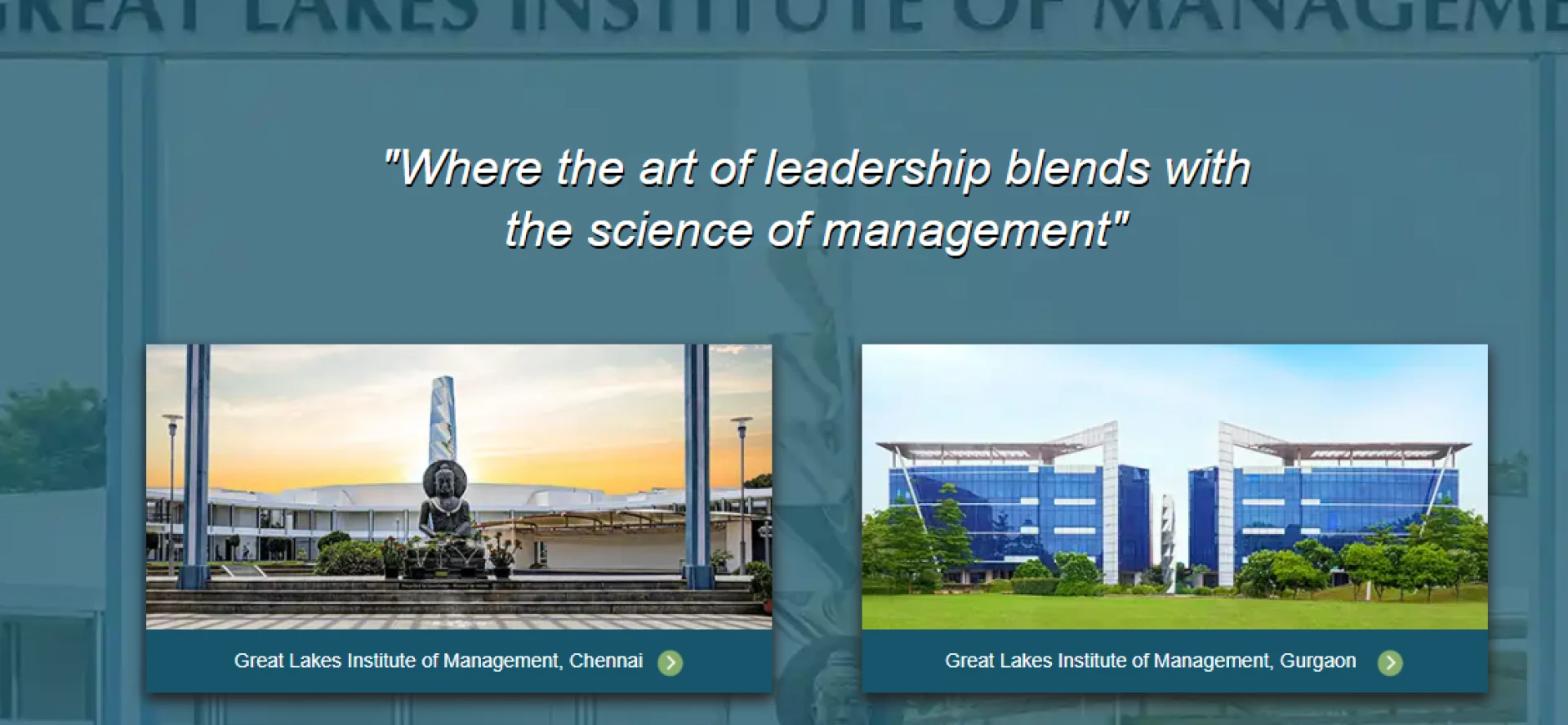
If you are shortlisting programmes, look carefully at how selection works. A typical fpm admission process combines a test score, a research proposal or statement of purpose, and interviews that probe your reasoning and motivation. Prepare a clear, focused research interest and be ready to discuss how your background supports it. Great Lakes Institute of Management lists its doctoral eligibility and selection steps on its official site, which is the best place to confirm details for the current cycle.
Money and Timelines
Doctoral graduates in academia usually start at a modest salary that grows with experience and publications, while industry roles often begin higher. Rather than choosing on the first offer, think about the five to ten year picture, including autonomy, learning, location and the kind of work you want to be doing.
Skills Worth Developing Early
Whatever direction you finally choose, a few abilities will help you in every path. Learn to write clearly for non specialists, since decision makers rarely read a full paper. Build comfort with data tools and at least one programming language, because analytical skill is valued almost everywhere. Practise presenting your work in ten minutes without slides, which reveals how well you understand your own argument. Finally, nurture a small circle of mentors who can give you honest feedback when you feel stuck, because long research journeys are easier with a few trusted voices.
Final Thoughts
A doctoral programme builds habits that employers and institutions value, such as clear thinking, careful evidence and perseverance. Whether you choose a lecture hall, a research lab or a boardroom, you will carry those habits with you. Great Lakes Institute of Management and other schools can open the first door, but your curiosity decides how far the path goes.



















Sign in to leave a comment.