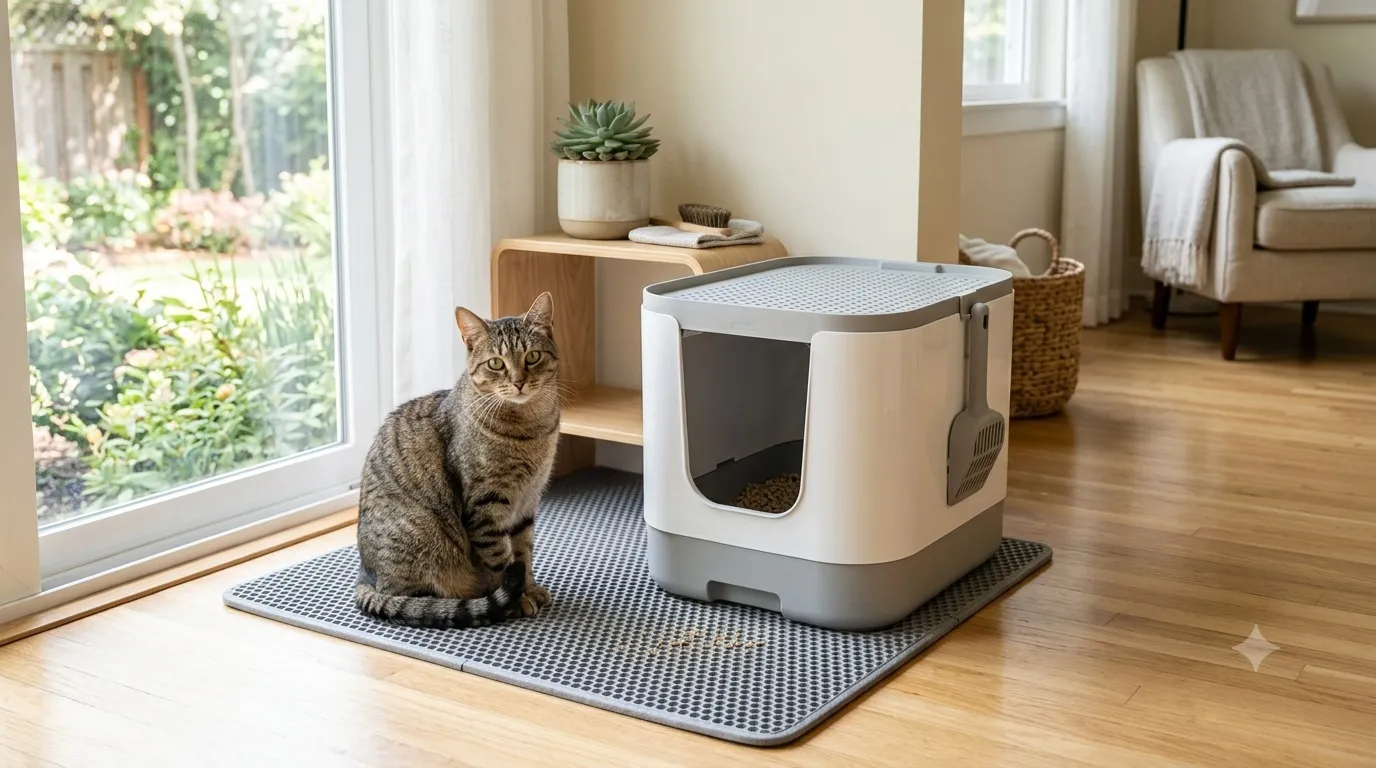

A clean litter box should not make your home smell like a litter box. Yet even with regular scooping, cat litters can sometimes leave behind an unpleasant odor. The problem may not be the litter alone. The type of litter, how well it absorbs moisture, how quickly waste is removed, and even where the box sits can all affect the smell.
So, what should you look for when choosing the best cat litter for odor control?
The answer is less about finding the strongest fragrance and more about controlling the source of the odor. Good absorption, effective clumping, regular scooping, and a cat-friendly litter-box setup usually matter more than simply covering smells with perfume.
What Actually Causes Cat Litter Odor?
There are several reasons a litter box starts to smell.
Urine is one of the biggest contributors. As urine sits in the box, its odor can become more noticeable. Feces can also create strong smells, especially when waste remains in the box for long periods.
Moisture is another factor. If litter does not absorb urine well, liquid can spread through the box and reach the bottom. That can make cleaning harder and leave lingering smells even after some waste has been removed.
Then there is simple buildup. A box that is rarely emptied and cleaned can develop an odor that fresh litter alone cannot fix.
This is why odor control should be viewed as a system, not just a litter feature.
Which Cat Litters Control Odor Best?
Different cat litters handle moisture and waste in different ways. There is no single litter that works perfectly for every cat, but some types have useful odor-control properties.
Clumping Clay Litter
Clumping clay litter is popular because it forms solid clumps around urine. That makes it easier to remove the affected litter instead of leaving wet material behind.
For many households, this makes clumping litter a practical choice for odor management.
The key benefit is simple: remove the source of the smell instead of letting it sit in the box.
Clumping litter also makes it easier to monitor how much waste is being produced because urine clumps and feces can be removed separately.
Silica Crystal Litter
Silica crystal litter uses absorbent crystals to capture moisture. Depending on the formula, the crystals can help control both moisture and odor while allowing the remaining litter to stay relatively dry.
This can be convenient for owners who want longer-lasting litter between complete changes.
However, cats have individual preferences. A litter that performs well for odor control may not be accepted by every cat. If your cat suddenly avoids the box after a litter change, the litter itself may be part of the problem.
Natural and Plant-Based Litters
Natural cat litters can be made from materials such as corn, walnut, grass, wood, and other plant-based ingredients.
Their odor-control performance varies by material and formulation. Some are designed to absorb moisture and form clumps, while others work differently.
When comparing natural options, do not focus only on the word "natural." Look at practical features such as absorption, clumping performance, tracking, dust, and how well your cat accepts the texture.
What Makes the Best Cat Litter for Odor Control?
If odor is your main concern, evaluate litter based on a few practical characteristics.
1. Moisture Absorption
The faster litter captures urine, the less opportunity there is for moisture to spread through the box.
2. Effective Clumping
Strong clumps make waste easier to remove. Loose or poorly formed clumps can break apart during scooping and leave contaminated litter behind.
3. Odor Trapping
Some formulas are designed specifically to trap or reduce odors. These can be useful, particularly in smaller homes or apartments.
4. Low Dust
Dust does not directly determine odor control, but a low-dust formula can make litter-box maintenance more comfortable for both cats and owners.
5. Cat Acceptance
This is easy to overlook.
What good is an excellent odor-control litter if your cat refuses to use it?
Many cats prefer fine-textured, unscented litter. That means your search for the best cat litter should balance odor control with your cat's preferences.
Why Scooping Matters More Than You Think
Here's a simple question: Would you want to use a bathroom that had not been cleaned all day?
Your cat may feel much the same way about a dirty litter box.
Scooping removes urine clumps and feces before they have more time to contribute to odor. A practical goal is to scoop once or twice daily, with more frequent maintenance sometimes needed in multi-cat homes.
For a practical routine:
- Scoop urine clumps and feces every day.
- Dispose of waste promptly.
- Add fresh litter when the level gets low.
- Completely empty and clean the box regularly.
- Dry the box before adding fresh litter.
If you have multiple cats using the same box, you may need to clean it more frequently.
Does Scented Litter Really Remove Odor?
Not necessarily.
There is an important difference between masking an odor and controlling its source.
A heavily scented litter may make the room smell fresher to you, but that does not mean the urine or fecal odor has actually been removed.
There is also another consideration: your cat has a much stronger sense of smell than you do. A fragrance that seems pleasant to a person may be unpleasant to a cat.
Many cats prefer unscented litter, so if your cat avoids a strongly scented litter, switching to an unscented formula may be worth considering.
The goal should be effective odor management without making the litter box unpleasant for your cat.
7 Practical Ways to Keep a Litter Box Smelling Fresh
The best odor-control strategy usually combines the right litter with good litter-box habits.
1. Scoop Consistently
Do not wait until the box looks full. Regular scooping removes waste before odors build up.
2. Use Enough Litter
Follow the litter manufacturer's recommendations and pay attention to your cat's preferences. Too little litter can make urine reach the bottom of the box.
3. Choose the Right Litter
If your current litter does not absorb well or forms weak clumps, try another formula.
Give your cat time to adjust when making changes.
4. Keep the Box Dry
After washing the box, make sure it is completely dry before adding new litter. Excess moisture can contribute to odor and reduce litter performance.
5. Clean the Box Regularly
Scooping alone is not enough forever. The box itself needs periodic cleaning.
Use a gentle cleaning method and rinse thoroughly. Avoid harsh or strongly scented cleaning products that could make the box unpleasant for your cat.
6. Think About Location
A litter box should be easy for your cat to access and located somewhere reasonably quiet.
Don't hide it in an area your cat cannot comfortably reach. Good ventilation can also help prevent odors from becoming concentrated in one small area.
7. Provide Enough Boxes
If you have multiple cats, one litter box may not be enough.
A useful guideline is one litter box per cat, plus one extra.
For example:
- 1 cat = 2 boxes
- 2 cats = 3 boxes
- 3 cats = 4 boxes
The boxes should also be distributed around the home rather than forcing several cats to compete for one location.
How to Choose the Best Cat Litter for Your Cat
Start with your cat, then consider your household.
For a single cat that happily uses unscented clumping litter, there may be no reason to change simply because another product claims stronger fragrance.
For a multi-cat household, you may place greater importance on absorption, clumping, and fast waste removal.
For a cat with strong litter preferences, texture may matter more than odor-control claims.
And for kittens, senior cats, or cats with mobility issues, the box itself deserves attention. A low-sided box may be easier to access, while larger cats may need a larger box.
The best choice is therefore the litter that gives you effective odor management without making your cat uncomfortable or unwilling to use the box.
When Litter Box Odor Could Signal a Bigger Problem
Sometimes unusual odor is not simply a litter problem.
Pay attention if you notice:
- A sudden change in urine odor
- Your cat urinating much more frequently
- Urinating outside the litter box
- Straining or showing discomfort
- A sudden refusal to use the box
- Persistent changes in bathroom habits
Medical problems can contribute to litter-box issues, so persistent or sudden changes should not simply be covered up with stronger litter fragrance.
If your cat suddenly changes its normal bathroom habits, speak with a veterinarian rather than assuming the problem is caused by the litter.
Choose Cat Litter for Real Odor Control
A fresh-smelling litter box does not require the strongest fragrance or the most expensive litter.
Start with the basics: good absorption, effective waste removal, regular scooping, proper box cleaning, and a litter your cat actually likes.
If your current litter leaves moisture behind, forms weak clumps, or fails to control odor, it may be time to try another option. Compare your cat-litter choices based on your cat's preferences, your cleaning routine, and the level of odor control your home needs.
The goal is simple: a cleaner box, less lingering odor, and a litter your cat is happy to use.
Frequently Asked Questions
What is the best cat litter for odor control?
The best option depends on your cat and household, but effective clumping, moisture absorption, and easy waste removal are important features to look for. A litter your cat consistently accepts is also essential.
Does clumping litter control odor better?
Clumping litter can make odor management easier because urine and feces can be removed from the box without replacing all of the litter each time.
How often should cat litter be scooped?
Aim to scoop once or twice daily. Multi-cat households may require more frequent maintenance.
Is scented cat litter better for odor?
Not automatically. Fragrance can mask odors, but it does not necessarily address the source. Many cats prefer unscented litter, so your cat's preference should be part of the decision.
How many litter boxes should I have?
A common guideline is one box per cat plus one extra. So, a two-cat home would ideally have three boxes.



















Sign in to leave a comment.