CBSE Computer Science Coaching Near Shyamnagar: Is Your Child Getting the Right Guidance?

Choosing CBSE computer science coaching near Shyamnagar is one of the most important academic decisions a family makes in the senior secondary years. Most parents begin with practical questions, such as distance, timing and monthly fees. Those matter, but they rarely show whether a child will truly understand Python, SQL, or the logic behind a program. The stakes are real. The CBSE Class 12 overall pass percentage for 2026 was 85.20%, down from 88.39% in 2025, and about 18.5 lakh students appeared for the exam, as reported by The Statesman. Competition is strong and marks increasingly reward understanding over memorized answers.
In this guide, you'll learn how Computer Science differs from Informatics Practices, when foundation learning should begin, and how to build a realistic two-year plan. You'll also get five questions to put to any tutor, a simple method for comparing centers and the mistakes that cost families time and money. By the end, you'll be able to choose with confidence rather than guesswork.
What Is CBSE Computer Science Coaching and Who Needs It?
CBSE computer science coaching is structured tuition that prepares students for the Computer Science (subject code 083) syllabus set by the Central Board of Secondary Education. A good program covers Python programming, data structures, database management with SQL and computer networks and it gives students regular practice on a computer. Most students begin in Class 11, but parents of Class 8 and Class 10 students often start earlier to build the logical thinking that Class 11 assumes.
The Class 12 board paper carries 70 theory marks and 30 practical marks. Within theory, Python programming is the heaviest unit at 40 marks, followed by SQL at 20 marks and computer networks at 10 marks. The practical component is where many students lose ground. It rewards hands-on fluency, such as writing, debugging and running programs under time pressure and reading the textbook alone does not build that skill. For the official syllabus and marking scheme, families can refer to the CBSE Academic website, which publishes curriculum documents for each session.
Computer Science or Informatics Practices: Which Path Fits Your Child?
Computer Science (083) and Informatics Practices (065) are both 100-mark CBSE subjects, each split into 70 theory marks and 30 practical marks. The difference lies in how the theory marks are spread. Computer Science puts 40 marks into Python programming. Informatics Practices divides its focus across 25 marks for Pandas data handling, 25 marks for SQL, 10 marks for computer networks and 10 marks for societal impacts. Students can opt for only one of Computer Science, Informatics Practices, or Information Technology, so the decision should be deliberate.
Start with the destination. A student who is leaning toward engineering or a computing degree usually benefits from the programming depth of Computer Science, because that is where algorithms, data structures, and problem solving get their first serious workout. A student who enjoys working with datasets, databases, and analysis may find Informatics Practices a better match, since Pandas and SQL carry more weight there. Interest matters just as much. A child who dislikes writing code will struggle through a programming-heavy syllabus, while a child who enjoys patterns in data may thrive in Informatics Practices.
Avoid choosing a subject because it sounds more prestigious. Instead, ask the coach to walk you through a sample class from the relevant batch. Watch whether the teaching feels engaging to your child, and whether the examples connect to real problems they can imagine solving.
Why Class 8 and Class 10 Preparation Shapes Class 11 Results
Early computer learning builds habits that pay off later. These include breaking a problem into steps, reading error messages without panic, typing code accurately, and staying patient through repeated attempts. Students who develop these habits early tend to find the Class 11 pace more manageable. Parents of Class 8 and Class 10 students should consider foundation work now, especially if their child may choose Computer Science or Informatics Practices later. Families across Shyamnagar and nearby areas such as Ichapur often plan this groundwork a year or two before senior secondary begins.
Class 11 Computer Science starts Python from the beginning and assumes no prior coding experience, which is reassuring for newcomers. Still, the pace is brisk. A student who has already met loops, conditions, and simple programs spends less time catching up in the first term, and that early confidence tends to carry into Class 12. The foundation does not need to be advanced. It needs to be consistent.
A Realistic Two-Year Roadmap for Parents and Students
Planning ahead makes the difference between a stressful final year and a steady one. The steps below offer a simple sequence that many families find workable, though each child's pace will vary.
- Class 8 to 9: Build logic and comfort. Introduce block-based or beginner Python exercises, puzzles that involve sequences and patterns, and regular typing practice. The aim is curiosity, not speed.
- Class 10: Connect ideas to code. Start simple programs that use variables, conditions, and loops. Keep sessions short and frequent, around three to four times a week, so the habit sticks.
- Before Class 11: Choose and preview. Decide between Computer Science and Informatics Practices, and preview the first units. Write a small program each week without help, then check your work.
- Class 11: Build depth. Attend classes actively, complete every practical exercise, and keep a notebook of recurring errors. Revisit the topics you find hardest within a week, not at the end of the term.
- Class 12: Practice like the exam. Solve past papers under timed conditions, review each mistake, and rehearse practical questions on a computer until typing and debugging feel automatic.
Five Questions to Ask Before You Enroll
Use these questions in your first meeting with any center or private tutor. A strong coach will answer each one clearly and without pressure. If the answers feel vague, treat that as useful information rather than a reason to ignore it.
- Will my child practice on a computer in every session? Since practicals carry 30 marks, a center without regular hands-on time is a serious warning sign.
- Is the teacher qualified in computer science and currently with the CBSE syllabus? Ask which session's syllabus the course follows and what subject background the teacher holds.
- How do you teach SQL and computer networks, not just Python? Strong results need every unit, and many students neglect the smaller ones until it is too late.
- How are doubts handled between classes? Look for a clear process, such as a doubt-clearing session, a message channel, or practice sets that the teacher checks regularly.
- How will I track progress? Ask for written test results and a short update at fixed intervals, so you can see improvement or spot trouble early.
How to Compare Two Centers in One Week
Shortlist two or three centers, then visit each during a normal class rather than an open day. Sit in for twenty minutes if the center allows it. Watch whether students are typing code, asking questions and getting individual feedback, or whether they are mostly copying notes from the board. That single observation tells you more than any brochure.
Next, ask each center for a sample practical question and how long they would expect a Class 12 student to take to solve it. Compare the answers. Centers that practice regularly can describe their process in detail, while vague replies often signal limited hands-on work. Finish by asking your child how the class felt. Comfort and curiosity are strong predictors of steady effort over two years.
Common Mistakes Parents Make When Choosing a Tutor
Most of these mistakes are avoidable with a little early planning. Watch out for the following:
- Choosing on price alone. A cheap batch that is too large for hands-on work costs more in lost learning than it saves in fees.
- Starting in Class 11. Waiting until the senior years begin leaves little room to build basic logic and typing speed.
- Underestimating the practical. Simple-looking code becomes hard under timed conditions, so practical fluency needs regular practice.
- Picking the subject by prestige. Choosing Computer Science because it sounds impressive, without considering interest, can make the year a struggle.
- Ignoring the child's voice. A student who dislikes programming will find a programming-heavy syllabus draining, and the reverse is true too.
- Comparing headline fees instead of inclusions. Batch size, practical sessions, mock tests and doubt support decide the real value of a course.
Why Xtech Institute Is Where Students Find Their Confidence
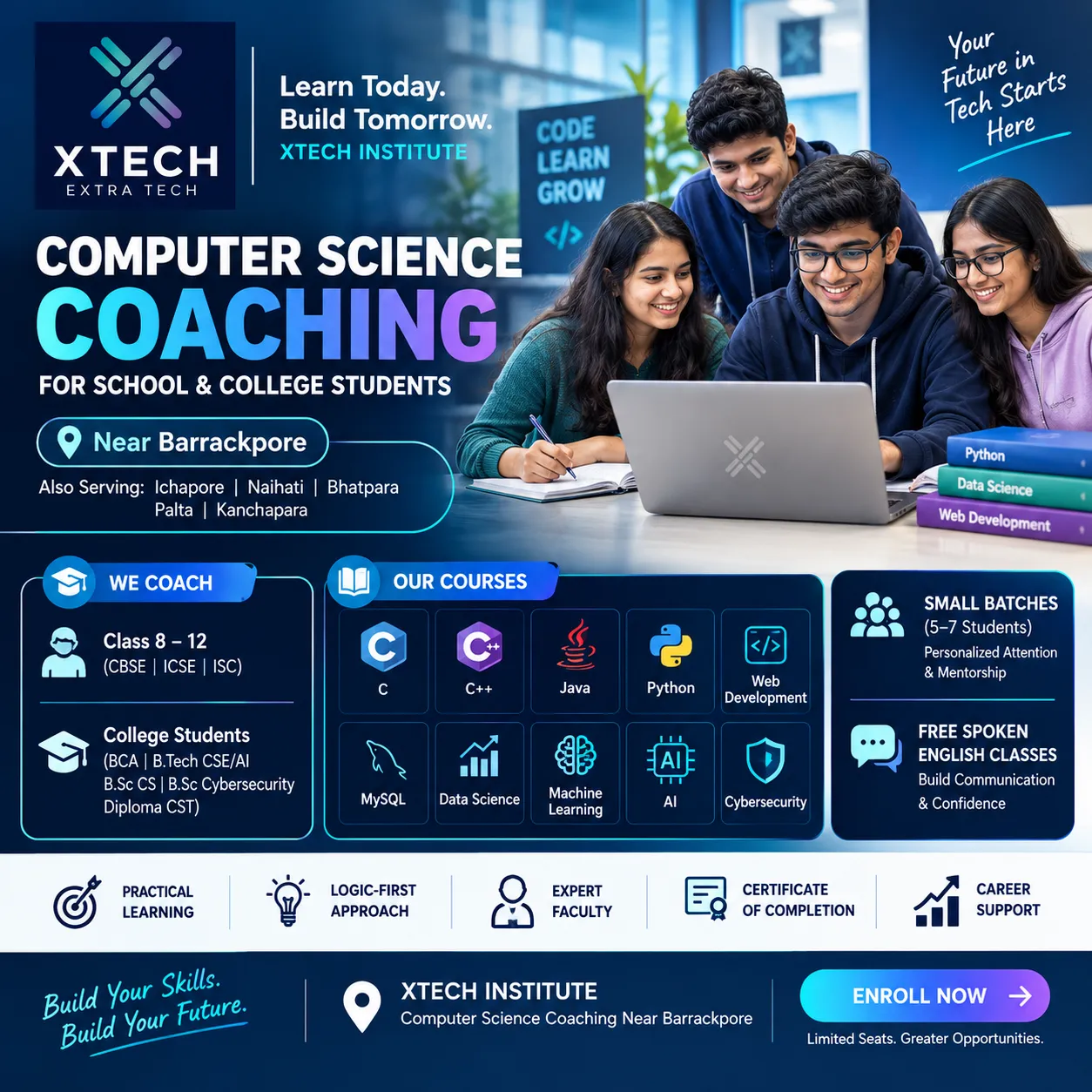
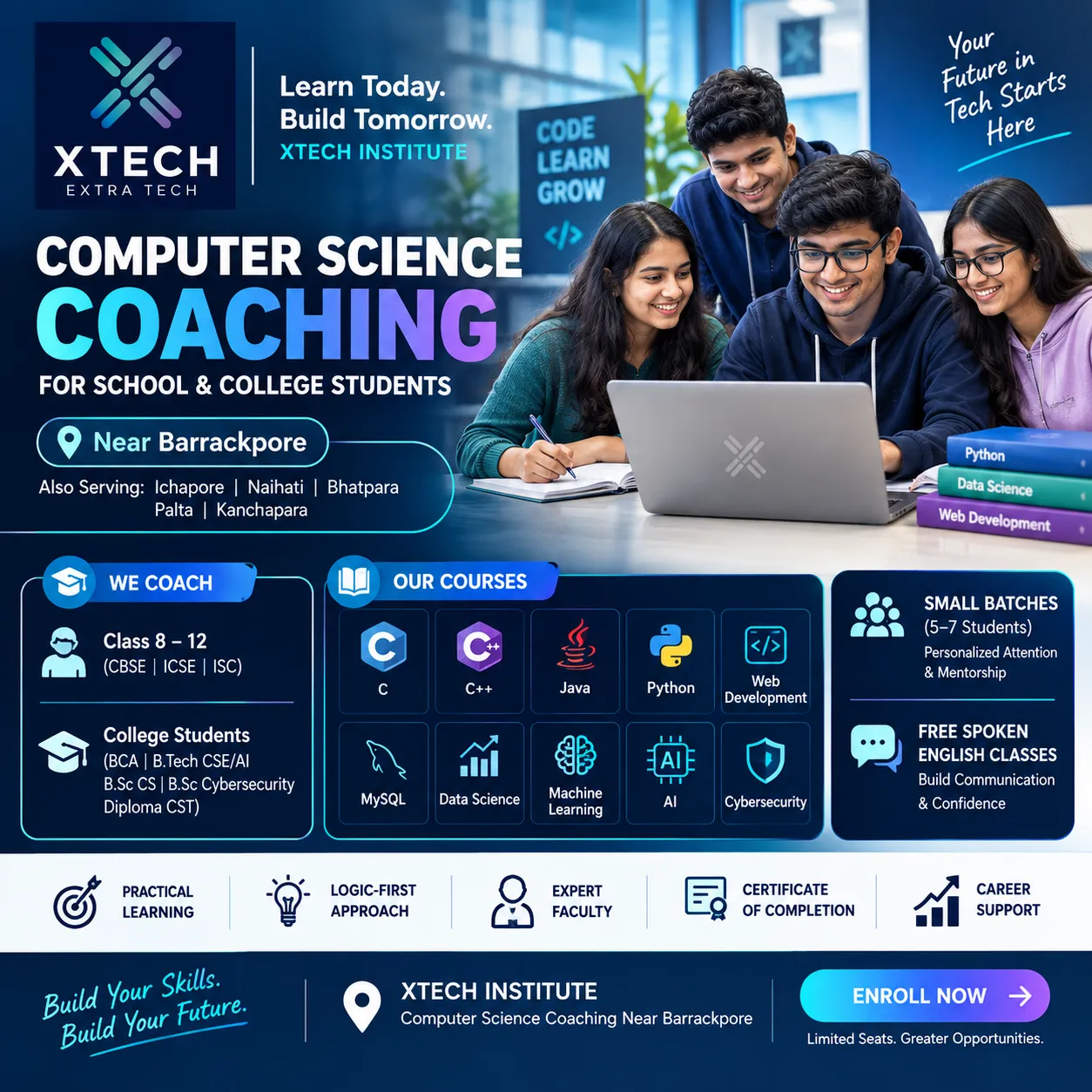
At Xtech Institute, every student is someone we want to see succeed, and that belief shapes everything we do. We begin each journey with a friendly conversation to understand how your child thinks, what excites them, and where they feel most confident. That early insight helps us guide them toward Computer Science or Informatics Practices with real clarity, so the choice feels exciting rather than uncertain.
Our practical sessions are where students really shine. Since the 30 practical marks reward hands-on skill, every class gives students plenty of computer time to write, test, and fix their own programs. We walk through how each unit is weighted, so students always know where their effort will make the biggest difference. When a question feels tough, our teachers break it into clear steps, and students leave each session with a sense of achievement and a plan for what comes next.
We love seeing confidence grow, and we invite parents to witness it too. Book a demo class, sit in, and experience our teaching style firsthand. The fastest way to start is a quick message on WhatsApp us now. Tell us your child's class and subject, and our team will help you find the right batch and a demo slot that suits you.
Choose With Clarity and Start Early
The best CBSE computer science coaching near Shyamnagar matches your child's goals, builds real practical skill, and explains progress honestly. Use the five questions above, compare the subject paths carefully, and start the foundation work early if your child is in Class 8 or Class 10. Every month of steady practice compounds, so the sooner you begin, the lighter the final year feels. When you're ready, book a demo class at Xtech Institute and see the difference for yourself.
Frequently Asked Questions
1.Which is better for a student who is strong in maths, Computer Science or Informatics Practices?
Strong maths helps with both subjects. Computer Science leans more heavily on programming logic, while Informatics Practices draws more on data handling and databases, so the right answer depends on the career goal.
2. How much should CBSE computer science coaching cost near Shyamnagar?
Fees vary by center, batch size and session length. Compare what is included, such as practical lab time, test papers and doubt support, before judging value by price alone.
3. Can a Class 8 or Class 10 student start early?
Yes. Foundation work in logic and basic programming helps students approach Class 11 with more confidence and it does not commit them to a subject.
4. Can a student take both Computer Science and Informatics Practices?
No. CBSE allows a candidate to opt for only one of Computer Science, Informatics Practices, or Information Technology in the senior secondary scheme. You can read the official curriculum details on the NCERT website, which supports the textbooks used across these courses.



Sign in to leave a comment.