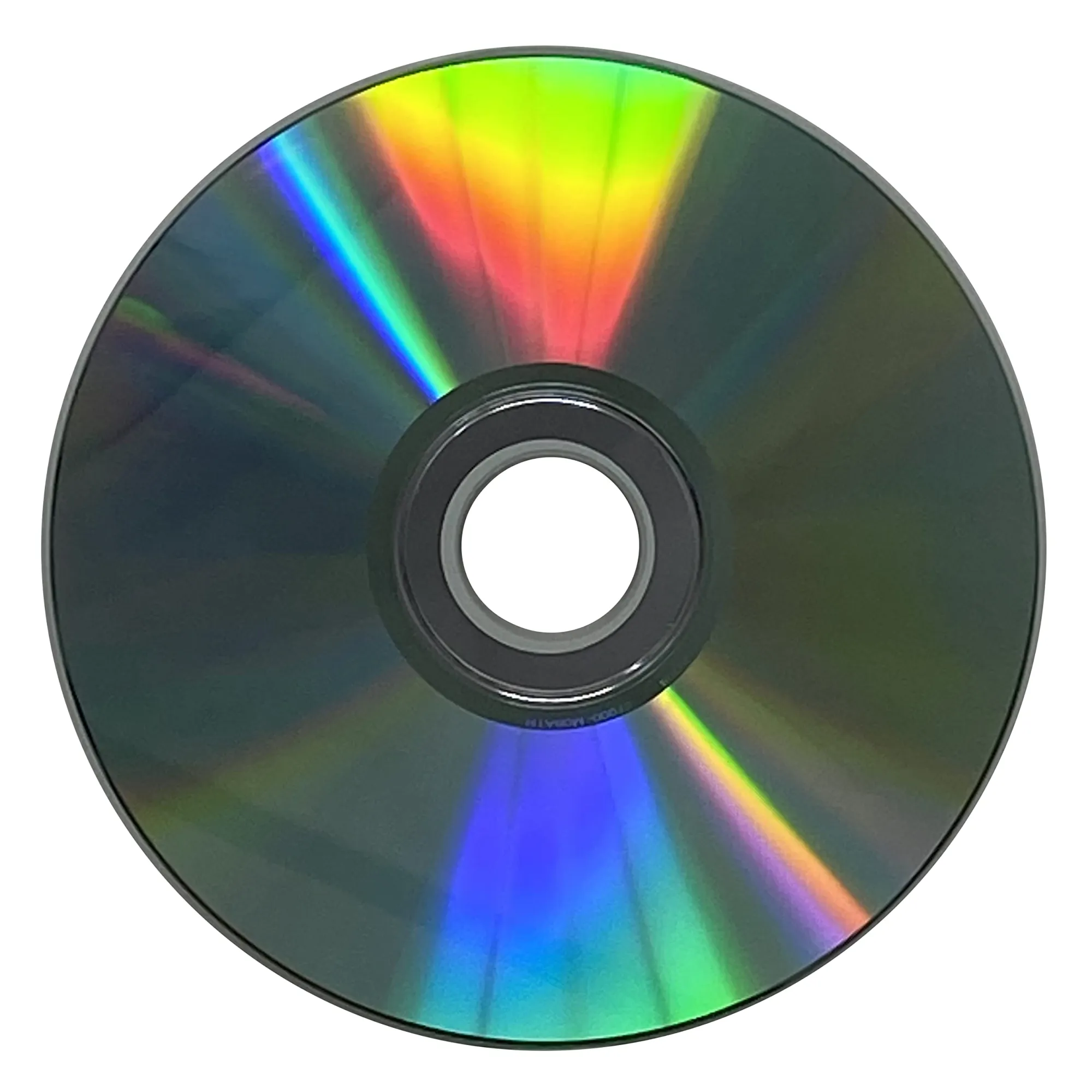

For music collectors, choosing between CDs and vinyl is about more than simply deciding how to listen to an album. Both formats offer a physical connection to music that streaming cannot completely replace. They allow collectors to own something tangible, explore album artwork, build personal collections and enjoy music in a format that suits their listening habits.
While vinyl has become increasingly popular among collectors who appreciate its analogue character and nostalgic appeal, CDs continue to offer practical advantages, including clear sound, convenience and durability. Understanding the differences between the two formats can help collectors decide which option belongs in their collection.
The Appeal of Vinyl for Music Collectors
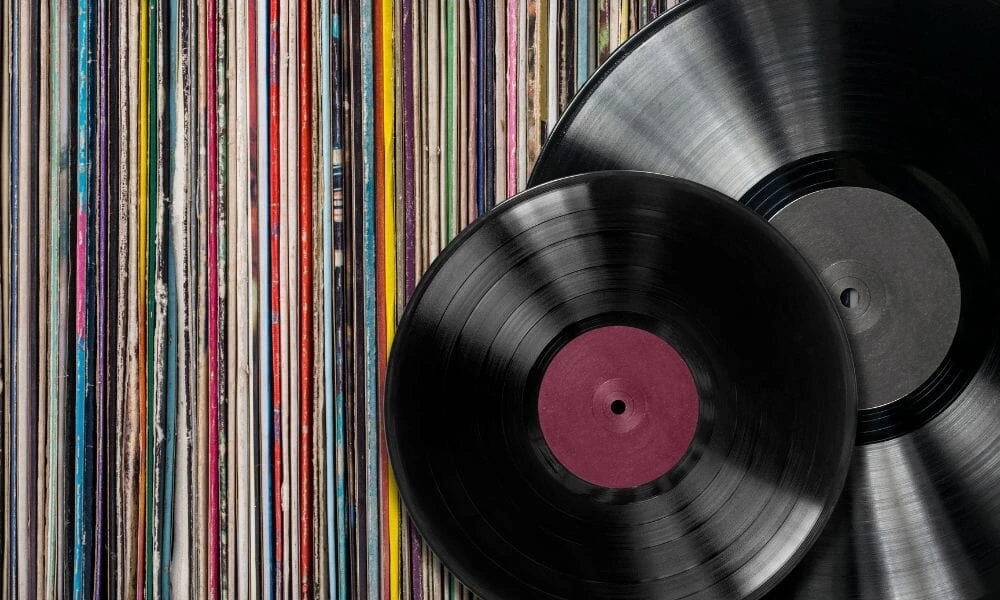
Vinyl records have a special place in music history. For many collectors, playing a record is an experience rather than simply a way of hearing music. Taking a record from its sleeve, placing it on a turntable and watching it spin creates a listening ritual that makes the album feel more personal.
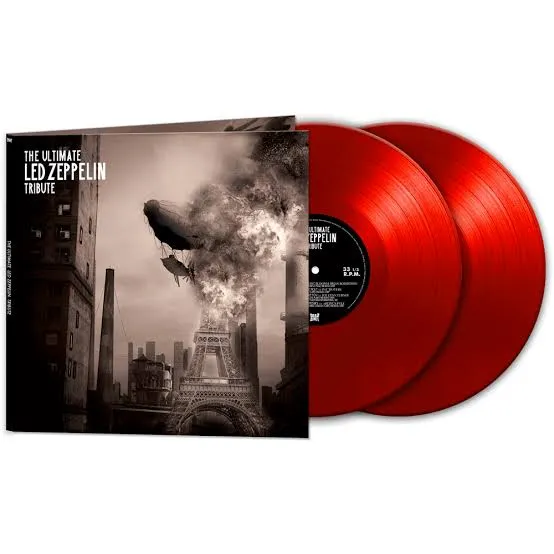
Another major attraction is the artwork. Vinyl sleeves provide a large canvas for album covers, photography and printed artwork. Classic releases can also become interesting collector's pieces, particularly when they feature original pressings, limited editions or artwork associated with important periods in an artist's career.
Sound is another reason collectors choose records. Vinyl has a distinctive analogue character that many listeners enjoy. The subtle warmth and physical nature of the format can make familiar albums feel different from their digital versions.
For collectors interested in building a visually impressive music library, records can also become part of a room's personality. A carefully arranged collection can display an individual's musical interests while giving them a way to revisit albums they genuinely enjoy.
Why CDs Still Matter
Compact discs changed home music listening when they became widely available, offering listeners a convenient physical format with digital audio quality. Although streaming dominates modern music consumption, CDs remain relevant for collectors who want to own physical copies of their favourite albums.
One of the biggest advantages is convenience. CDs are compact, easy to store and simple to play. They do not require a turntable, record cleaning or the handling involved with vinyl. For listeners who want physical ownership without the maintenance associated with records, CDs can be a practical choice.
Sound quality is another important consideration. CDs provide consistent digital playback without the surface noise that can sometimes occur with older or poorly maintained records. A well-maintained disc can provide a clean listening experience for many years.
The smaller size also makes it possible to build a substantial collection without requiring as much storage space. For collectors who enjoy exploring different artists, genres and eras, this can make CDs particularly appealing.
Collecting Long CDs and Building a Physical Library
For dedicated collectors, the appeal of physical music often goes beyond the listening experience. Finding a particular release, completing an artist's discography or discovering an album that has become difficult to find can make collecting more rewarding.
Long CDs can be especially interesting for collectors looking for substantial releases, special editions or albums that provide more music in a single physical package. The value of a release, however, is not determined by its length alone. Condition, edition, rarity, artwork, packaging and demand can all influence its appeal.
A collector may choose CDs because they make it easier to explore a wider range of music while maintaining a physical library. Others may combine CDs and records to create a collection that reflects different periods and styles of music.
Vinyl vs CDs: Sound and Listening Experience
The difference between vinyl and CDs is often discussed in terms of sound, but personal preference plays an important role. Vinyl offers an analogue listening experience with characteristics that many enthusiasts appreciate, while CDs deliver clean and consistent digital playback.
The condition of the physical media and playback equipment also matters. A scratched disc may skip, while a damaged or poorly maintained record can contain unwanted noise. Good storage and careful handling are therefore important regardless of the format.
For collectors, the best format may ultimately depend on what they value most. Someone who enjoys the ritual and artwork of physical records may prefer vinyl, while someone who prioritises convenience and consistent playback may favour CDs.
Storage, Maintenance and Collecting Practicalities
Storage is an important part of collecting physical music. Records should be stored carefully to reduce the risk of warping, while CDs should be kept in their cases and protected from scratches. Proper handling can help preserve both the media and its packaging.
Vinyl collections can require more physical space because of the larger sleeves. CDs take up less room, allowing collectors to store a larger number of releases in a relatively compact area.
Collectors should also consider the condition of second-hand releases. Original packaging, readable labels, clean surfaces and complete artwork can all contribute to the overall appeal of a physical release. Taking time to inspect a purchase can make a significant difference when building a collection.
Which Format Should Collectors Choose?
There is no single format that suits every music collector. Vinyl can provide a nostalgic, tactile and visually appealing experience, while CDs offer convenience, compact storage and reliable digital playback.
Many collectors choose not to limit themselves to one format. A mixed collection can include records for favourite albums and CDs for artists or releases that are easier to find in digital physical formats. This approach also gives collectors the freedom to explore music without being restricted by one type of media.
The most important factor is choosing releases that have genuine meaning to you. Whether you are searching for a classic album, expanding an artist's discography or simply rediscovering music from another era, physical formats can make listening feel more intentional.
Start Building Your Music Collection with ReRun
A great collection does not need to be built all at once. Exploring pre-owned and collectible music releases can be an enjoyable way to discover albums from different artists, genres and eras while giving physical music a place in your everyday listening experience.
At ReRun, music collectors can explore a range of pre-owned physical music releases and discover titles that can add something special to their collection. Whether you prefer the character of vinyl or the convenience of CDs, finding the right album is part of what makes collecting enjoyable.
Take a look through ReRun's collection and discover your next addition. You might find a familiar favourite, a hard-to-find release or an album that introduces you to something completely new.
Conclusion
CDs and vinyl each offer something different to music collectors. Vinyl provides a tactile experience, larger artwork and a strong connection to traditional record collecting, while CDs deliver convenient storage, consistent digital playback and an easy way to build a diverse physical library.
Rather than focusing only on which format is technically better, collectors can consider what makes music ownership enjoyable for them. For some, that may mean carefully selecting records; for others, it may mean discovering CDs and building a compact collection of favourite albums.
Ultimately, the best physical music collection is one filled with releases you enjoy listening to and owning. Whether your shelf is filled with records, CDs or a combination of both, the goal is the same: keeping great music close and making every listening session more meaningful.

























Sign in to leave a comment.