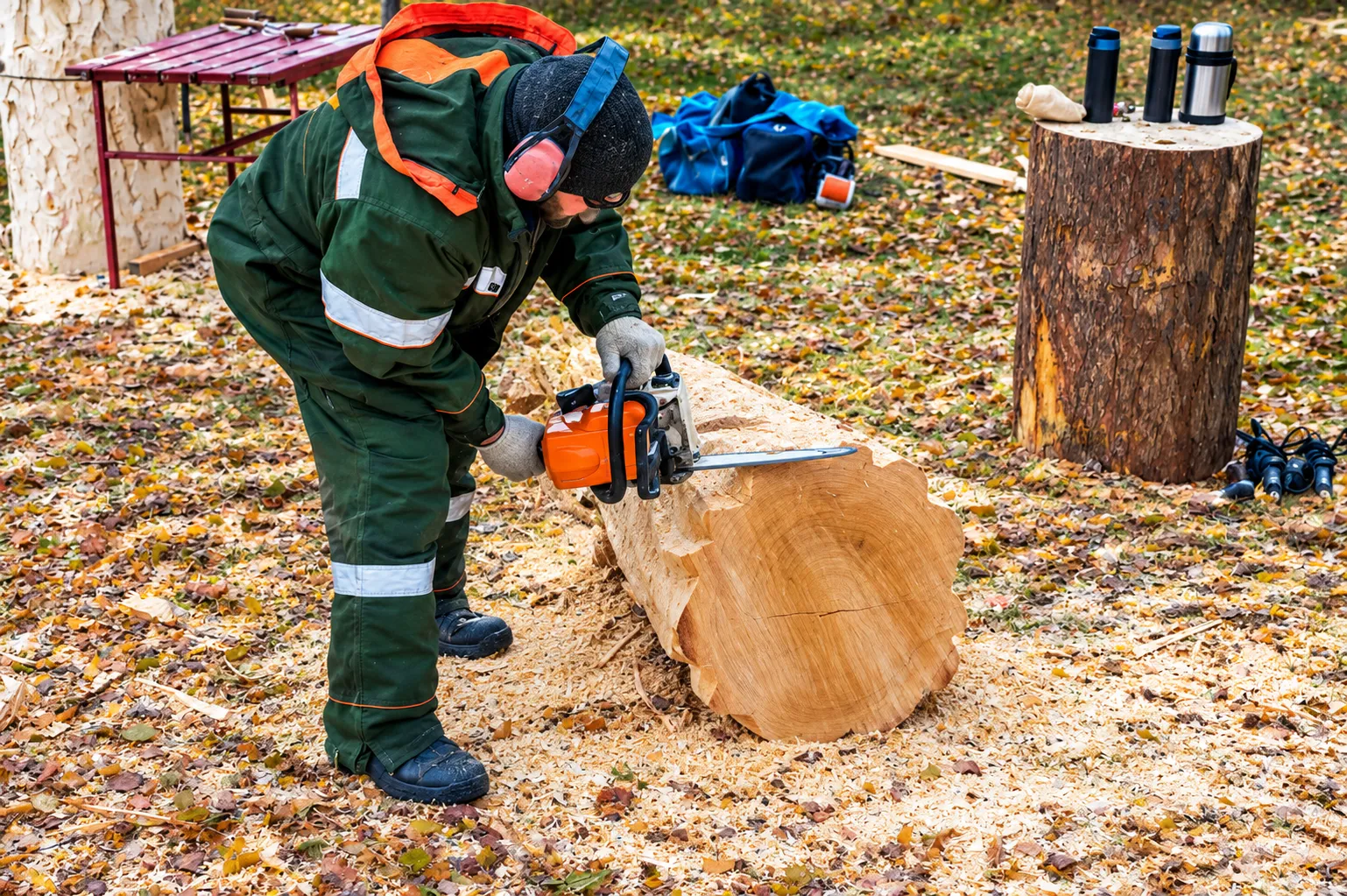

Using a chainsaw safely requires more than knowing how to start the machine and make a cut. Operators need to understand equipment, hazards, personal protective equipment, cutting practices, and workplace procedures before performing chainsaw-related tasks. If you are searching for a chainsaw certification course near me, choosing practical training can help you develop the knowledge and skills needed to work more safely and confidently.
Why Chainsaw Training Matters
Chainsaws are powerful tools that can create serious hazards when they are operated incorrectly. Kickback, falling branches, unstable trees, poor footing, unexpected movement, and unsuitable cutting techniques can all increase the risk of injury.
Proper training helps operators recognize these hazards before beginning work. It also provides an opportunity to learn safe operating procedures and understand how different working conditions can affect chainsaw use.
Training is particularly important for workers who regularly use chainsaws as part of forestry, property maintenance, landscaping, vegetation management, construction, or other workplace activities.
What Does Chainsaw Training Cover?
A quality chainsaw course should address the practical aspects of safe operation rather than focusing only on classroom theory. Depending on the course and workplace requirements, training may cover topics such as:
- Chainsaw components and controls
- Pre-use equipment inspections
- Personal protective equipment
- Safe starting procedures
- Proper handling and positioning
- Cutting techniques
- Kickback awareness
- Hazard identification
- Chain maintenance and sharpening
- Safe work practices
- Emergency procedures
Understanding these fundamentals can help operators make better decisions while working with chainsaws.
Choosing the Right Course
When looking for a chainsaw certification course near me, consider whether the training is relevant to the type of work you actually perform. A course should provide practical information that operators can apply in their workplace.
Consider the experience level of participants, the type of chainsaw work involved, and the hazards employees are likely to encounter. Workplace conditions can vary significantly, so training should help operators understand how to assess their surroundings before beginning a task.
It is also important to choose training delivered by experienced safety professionals who understand practical equipment operation and workplace hazard management.
The Importance of Practical Skills
Reading instructions or watching demonstrations can provide useful information, but practical experience is an important part of learning safe chainsaw operation. Operators need opportunities to understand equipment handling, positioning, cutting practices, and hazard awareness.
Practical training can also help workers identify unsafe habits and develop better operating techniques. Instructors can provide guidance and feedback so participants understand how to apply safety principles during real-world tasks.
Employers can further support safe practices by ensuring workers have suitable equipment, appropriate protective gear, clear procedures, and ongoing supervision where required.
Prepare Before Operating a Chainsaw
Safe chainsaw operation begins before the engine is started. Operators should inspect the equipment and confirm that it is suitable for the planned task. Personal protective equipment should be selected according to the work and potential hazards.
The work area should also be assessed carefully. Workers should consider falling objects, overhead hazards, nearby people, terrain, weather, escape routes, and other conditions that could affect the job.
Taking time to prepare can help prevent avoidable incidents and allows operators to make informed decisions before cutting begins.
Continue Building Safe Work Practices
Completing training should not be viewed as the end of safety development. Operators should continue following workplace procedures, inspecting equipment, maintaining their skills, and staying aware of changing conditions.
Employers can reinforce training through toolbox talks, supervision, equipment inspections, refresher instruction, and regular reviews of workplace hazards. This approach helps create a stronger safety culture around chainsaw use.
If you are researching a chainsaw certification course near me, look for training that combines safety knowledge with practical, workplace-focused instruction.
Contact Southbrook Safety
Southbrook Safety provides practical safety training designed to help workers understand workplace hazards and develop safer operating practices. If your organization needs chainsaw training for employees or wants to strengthen its approach to equipment safety, contact Southbrook Safety today to learn more about available training options.

















Sign in to leave a comment.