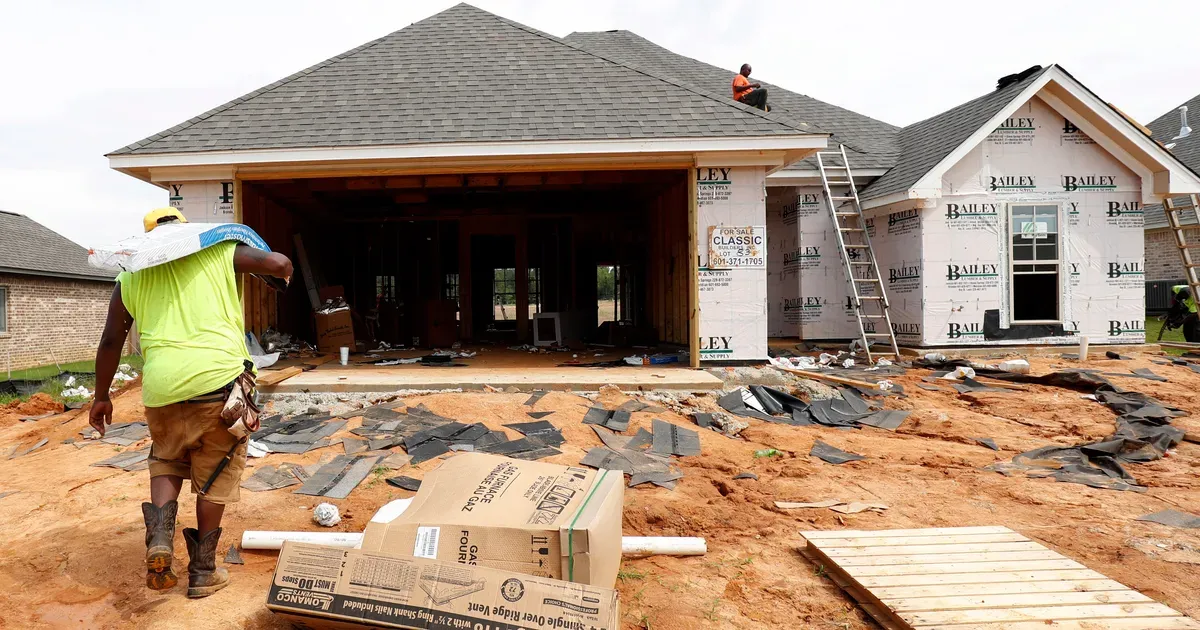

A wooded ridge can look like the perfect place for a new home. The view stretches across the valley, the asking price seems manageable, and the listing promises privacy. Then a buyer discovers that the driveway would cross someone else's property, the proposed septic area is uncertain, and the flattest spot collects runoff after storms.
Buying land to build a house in West Virginia requires more than choosing attractive acreage. Before closing, buyers should verify legal access, development restrictions, buildable ground, septic suitability, water and power options, drainage, and the complete cost of preparing the site. A beautiful parcel is not necessarily a workable homesite.
Key Takeaways
- Confirm the parcel can legally accommodate the proposed house before making an unconditional commitment.
- Investigate slopes, soil, stormwater, and septic feasibility before choosing a building location.
- Check recorded access rights, utility availability, and development expenses beyond the land price.
- Use appropriate professionals and purchase contingencies to investigate unresolved risks.
Can the Property Legally Support a House?
The first question is not whether a house would look good on the land. It is whether that particular home can be built there under applicable rules and recorded restrictions.
West Virginia land-use requirements vary by jurisdiction. A buyer should contact the relevant county or municipal planning, building, and health offices rather than assume every rural parcel follows identical rules. Ask about zoning where applicable, permitted uses, setbacks, access requirements, floodplain controls, and approvals for land disturbance.
Recorded deed restrictions and private covenants deserve separate attention. A parcel might be outside a zoning district yet still be subject to restrictions on building location, home type, shared roads, or additional structures.
Is That Perfect Homesite Really Ready for Construction?
West Virginia's hillsides make topography an early decision, not a late construction detail. An open patch of ground may still require extensive excavation, retaining structures, engineered fill, or a different foundation arrangement. A steeper approach can complicate truck access and increase the area disturbed during construction.
A preliminary site walk should identify likely house locations, elevation changes, visible rock, springs, drainage channels, unstable-looking slopes, and room for vehicles to turn around. Photos help, but they cannot establish soil bearing capacity or slope stability.
A builder, excavating professional, surveyor, or geotechnical specialist can evaluate different parts of the question. If there are significant slopes, fill, or suspected instability, the buyer should ask what professional investigation is needed before committing to a design.
Will Septic and Water Plans Work on This Lot?
For land without public sewer, wastewater feasibility can determine whether the proposed home is realistic. Buyers should speak with the appropriate county health department about onsite sewage evaluation, testing, permits, and the possibility of a replacement area if required for the design.
A seller's statement that nearby homes have septic systems is not proof that the parcel will support the buyer's proposed system. Soil absorption conditions, slope, groundwater, available space, and system design all matter. Confirm what investigation has been completed and whether any approval actually applies to the specific lot and proposed use.
Water deserves its own check. If public water is unavailable, ask about well feasibility, suitable location, testing, and the responsibilities involved in obtaining approval. A water connection shown near the road does not mean service can be extended to the proposed homesite without additional work.
What Should the Land-Buying Budget Really Cover?
The purchase price is only the opening entry in a buildable-land budget. Clearing, grading, driveway construction, soil removal, drainage measures, power extension, wastewater systems, surveys, inspections, and professional evaluations can all affect the amount needed before home construction begins.
The following comparison helps buyers distinguish a listing's appeal from questions that determine development feasibility.
| Area to investigate | What buyers need to establish | Who may help |
| Legal use | Home type, restrictions, required approvals | Local office, attorney |
| Boundaries and access | Surveyed limits, recorded road rights | Surveyor, title professional |
| Terrain and soil | Possible house pad, grading, stability | Builder, excavation or geotechnical professional |
| Wastewater and water | Feasible systems, approvals, connection options | Health department, qualified specialists |
| Drainage and flooding | Runoff routes, mapped hazards, needed review | Floodplain administrator, site professional |
| Development budget | Unpriced site work and utility extensions | Contractors, providers, lender |
Before comparing land prices, compare what each parcel would require to become ready for construction. A more expensive lot with accessible utilities and manageable terrain may involve different financial risks from cheaper acreage with major unanswered questions.
Could Water Become the Deal Breaker?
A creek at the edge of a property may look attractive, while a shallow drainage swale seems harmless during dry weather. Neither observation reveals what happens during heavy rain.
Buyers should review the parcel using official flood information and speak with the local floodplain administrator when questions arise. They should also inspect where runoff enters and leaves the property, whether a proposed driveway crosses drainage paths, and whether nearby slopes show erosion or seepage.
The Federal Emergency Management Agency reports that nearly 29% of National Flood Insurance Program claims from 2014 through 2024 came from areas outside current high-risk flood zones. FEMA flood-risk information illustrates why being outside a mapped high-risk area is not the same as having no flood exposure.
Does the Property Have Legal, Usable Access?
A visible dirt track does not prove permanent legal access. Landlocked parcels, shared lanes, steep approaches, and easements can complicate construction even when a vehicle can reach the property today.
A title review should identify recorded access rights and limitations. A survey can help establish whether the driveway follows the intended property or easement corridor. Buyers should also ask the appropriate road authority whether a new entrance or driveway connection needs approval.
Power and communications need similar scrutiny. Obtain information from relevant providers about service availability, possible extensions, and the proposed building location. Nearby lines are not a substitute for confirmation of a workable connection.
What Should Buyers Verify Before Committing to Land?
A parcel may appear suitable for a new home, but its legal status and physical conditions can reveal limitations that are not obvious during a property visit. Before purchasing land in West Virginia, buyers should examine the deed, property boundaries, easements, and applicable land-use restrictions. Legal road access and building requirements deserve particular attention because they can influence where construction is permitted.
The ground itself raises another set of questions. Steep slopes, unstable soil, exposed rock, and natural drainage patterns can affect excavation, foundation planning, and driveway construction. Buyers should also investigate septic suitability, drinking-water availability, and flood exposure. A property without existing utilities may require additional infrastructure, making early discussions with utility providers and qualified site professionals particularly valuable.
Financial considerations extend beyond the purchase price. Site preparation, utility extensions, drainage work, and required evaluations can affect the overall construction budget. Buyers should also review financing conditions and contractual deadlines so that unresolved property concerns can be investigated before the purchase becomes final.
As Alexander Graham Bell observed, “Before anything else, preparation is the key to success.” For prospective West Virginia homeowners, that preparation means establishing whether the property can realistically accommodate the intended house before making a substantial financial commitment.
A Hillside Lot With One Overlooked Problem
Consider a hypothetical couple evaluating a wooded parcel above a rural road. They picture a house facing the valley, with a small pond farther downhill. The listing shows substantial acreage, and the driveway entrance appears obvious.
Before making the purchase unconditional, they learn that the apparent entrance crosses an unconfirmed access corridor. A preliminary site review also suggests their preferred house location may crowd the area needed for an onsite wastewater system. The pond location requires another look because surface runoff concentrates there.
This situation is illustrative, not a customer case. Its value lies in the order of decisions: evaluate whether the land fits the home before designing the home around an unverified piece of land.
Do This, Not That, Before Committing
Do:
- Allow time for property evaluations: Match the purchase agreement's investigation periods to the necessary assessments, particularly for septic suitability, hillside grading, and legal access.
- Review existing property records: Request surveys, permits, construction plans, and previous site assessments from the seller. Verify their accuracy and applicability to identify issues requiring further investigation.
Don't:
- Rely on unverified property claims: Don't treat online listings, outdated soil reports, or neighboring properties as proof of buildability. Nearby power lines also don't guarantee utility connections.
- Begin site work prematurely: Don't authorize clearing or excavation before confirming necessary permissions and ownership rights. Avoid purchasing land solely because of its low price when access, drainage, wastewater, or ground stability concerns remain unresolved.
Before committing to a land purchase in West Virginia, buyers should resolve major concerns about property access, soil conditions, utilities, and construction feasibility. Careful evaluation before signing can help identify potential complications and establish whether the land is suitable for the proposed home.
Conclusion: Buy the Land That Can Support the Plan
Buying land to build a house in West Virginia begins with a vision, but the purchase should stand up to questions about actual site conditions. Boundaries, allowable uses, access, wastewater, drainage, utilities, and ground preparation shape whether a proposed home can move beyond the drawing stage.
A measured decision might mean requesting more information, adjusting the house location, negotiating appropriate contract conditions, or passing on an attractive parcel.
For buyers reviewing a potential homesite and its excavation, septic-related groundwork, or pond considerations, J.C. Contracting & Excavating Inc. can be contacted to discuss the intended work and whether an estimate or site-work conversation is appropriate before construction plans are finalized.
FAQ
1. What Is the Best First Check Before Buying Land?
Confirm that the intended home is legally permitted and that the parcel has usable access. Then investigate whether the ground and wastewater options support the proposed layout.
2. How Can Buyers Check Septic Suitability?
They should contact the relevant West Virginia county health department and ask what site evaluation, testing, and approval are required. Nearby septic systems do not establish suitability for an untested lot.
3. When Should a Buyer Consult a Site Professional?
Before an unconditional purchase when steep slopes, unknown fill, drainage problems, difficult access, or major earthmoving might affect the building plan or development budget.
4. Can the Company Discuss Potential Homesite Excavation?
Prospective customers can describe the parcel, intended house location, access needs, and existing site information. They should confirm which site-work tasks the company can assess for that property.
5. What Should Buyers Share When Requesting an Estimate?
A survey or site sketch, photographs, known utilities, proposed building location, and available septic or grading plans provide useful starting information. The required assessment depends on the project's actual scope.






















Sign in to leave a comment.