
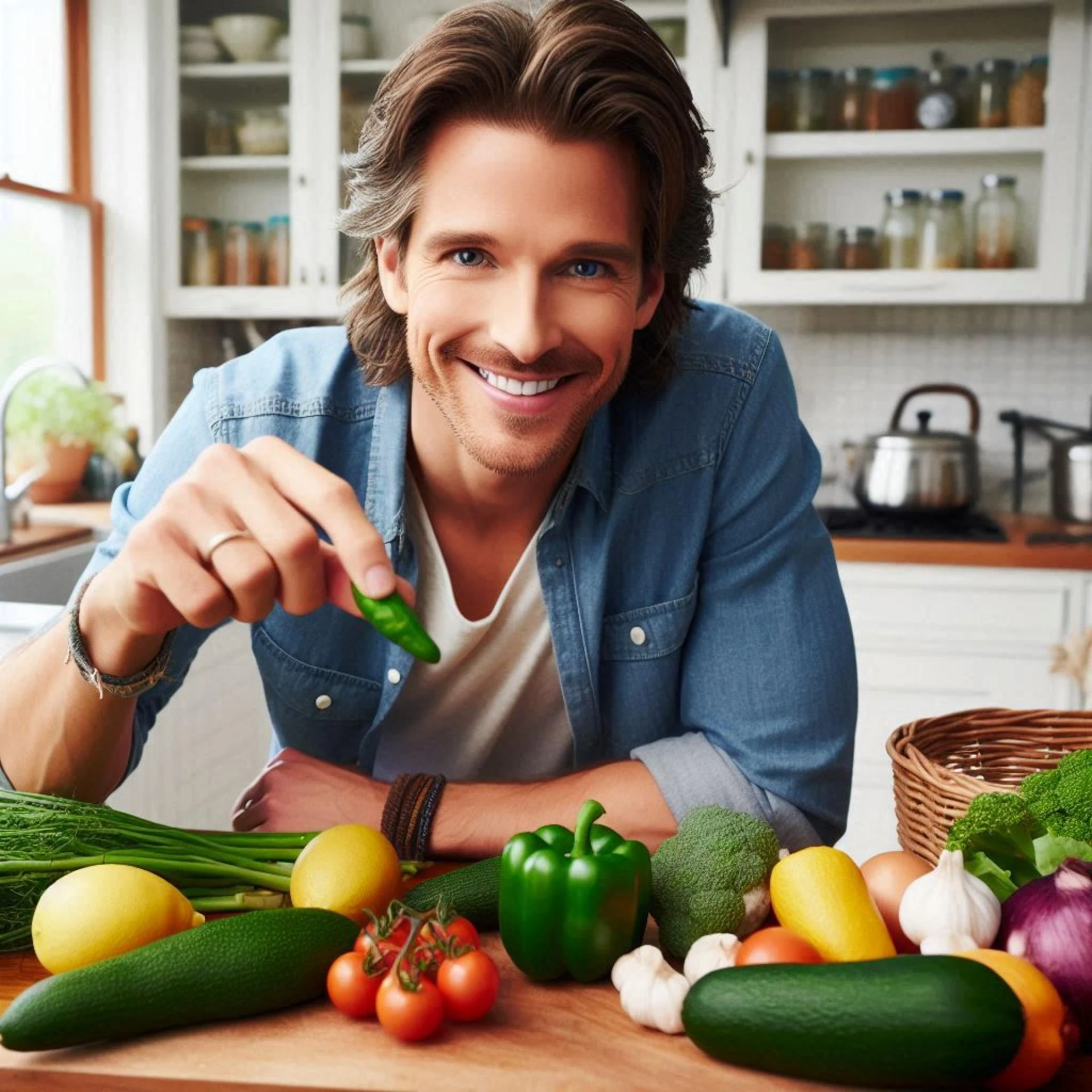

Gourmet cooking is not defined simply by elaborate dishes or premium ingredients. At its heart, it is about understanding food and using thoughtful techniques to bring out its best qualities. Scott Biffin Chef represents a professional-minded approach to cooking that combines ingredient knowledge, precision, creativity, and attention to detail.
Understand the Ingredient First
One of the most valuable principles in gourmet cooking is learning what makes each ingredient unique. Vegetables, seafood, meats, herbs, spices, and grains all have different flavors and textures.
Before deciding how to prepare an ingredient, chefs consider its natural characteristics. A delicate ingredient may benefit from gentle cooking, while a robust ingredient might respond well to roasting or grilling.
This approach prevents unnecessary complexity and allows the main ingredient to remain the focus.
Develop Flavor Step by Step
Exceptional flavor often comes from several small decisions rather than one complicated technique. Professional chefs build flavor throughout the cooking process.
Aromatic ingredients can establish a foundation, while roasting, searing, or caramelizing can add depth. Stocks, sauces, herbs, spices, and finishing ingredients can then provide additional layers.
For Scott Biffin Chef, thoughtful flavor development means understanding how individual components interact and making sure they contribute to the final dish.
Master Heat Control
Temperature control is another important secret of gourmet cooking. Different ingredients require different levels of heat and cooking times.
High heat can create browning and caramelization, while lower temperatures can help delicate ingredients cook more gently. Slow cooking can also allow tough ingredients to become tender while developing deeper flavors.
Learning to recognize changes in color, texture, aroma, and moisture helps cooks make better decisions during preparation.
Use Seasoning With Precision
Seasoning should enhance a dish rather than dominate it. Salt, acidity, herbs, spices, and other flavoring ingredients each have a specific role.
A small amount of acidity can brighten a rich preparation, while fresh herbs can add contrast to heavier flavors. Spices can introduce warmth and complexity when used carefully.
Professional chefs continually taste and adjust their dishes. This habit helps create balance and prevents one element from overpowering another.
Create Texture Contrast
Texture can turn a good dish into a more engaging experience. Gourmet cooking often combines contrasting textures within the same plate.
Creamy sauces can be paired with crisp vegetables, tender proteins can be accompanied by crunchy elements, and smooth desserts can include delicate baked or toasted components.
These contrasts make each bite more dynamic and encourage diners to experience the dish from different perspectives.
Respect Seasonality
Seasonal cooking provides chefs with an ever-changing source of inspiration. Ingredients naturally vary throughout the year, encouraging menus and recipes to evolve.
Using seasonal produce can help chefs explore different combinations while focusing on ingredients when their qualities are particularly appealing.
Seasonality can therefore support both creativity and a stronger connection between food and its environment.
Make Presentation Meaningful
A gourmet dish should be visually inviting, but presentation should have purpose. The arrangement of ingredients, colors, portions, and textures can communicate the character of the food.
Instead of adding unnecessary decoration, professional chefs can use presentation to guide attention toward the most important elements of the dish.
The Scott Biffin Chef approach emphasizes the connection between appearance and flavor, creating plates where visual design supports the overall dining experience.
Creativity Comes From Knowledge
The final secret of gourmet cooking is creativity. However, creativity becomes more effective when it is supported by knowledge.
Understanding ingredients and techniques gives chefs the freedom to experiment confidently. They can change a cooking method, combine unexpected flavors, or reinterpret familiar dishes while maintaining balance.
The secrets of gourmet cooking are found in careful decisions. Understanding ingredients, controlling heat, developing layered flavors, seasoning precisely, creating texture, respecting seasonality, and presenting food thoughtfully all contribute to professional-quality cooking.
The Scott Biffin Chef philosophy shows that gourmet food does not need unnecessary complexity. When technique, creativity, and respect for ingredients come together, even familiar components can become memorable culinary experiences.




























Sign in to leave a comment.