

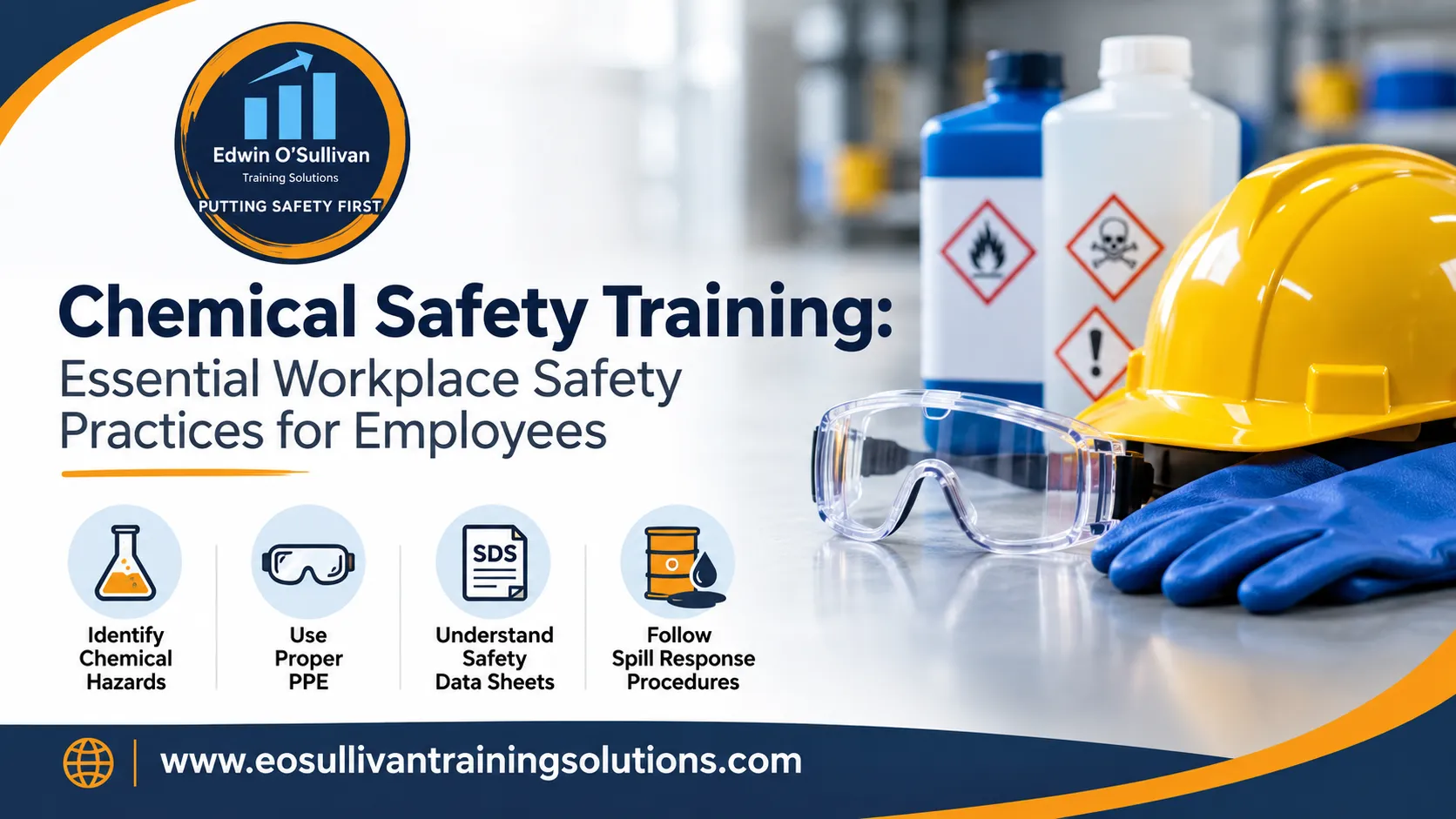
Workplace safety is an essential responsibility for every business, particularly in industries where employees regularly handle chemicals and hazardous substances. From manufacturing facilities and construction sites to laboratories, warehouses, and cleaning operations, improper chemical handling can lead to serious injuries, health complications, environmental damage, and workplace accidents. Implementing effective Chemical Safety Training helps employees understand potential risks and follow the correct safety procedures when working with hazardous materials.
Providing employees with the right knowledge and practical safety skills is an important step towards creating a safer working environment. Businesses that invest in proper chemical awareness and workplace safety education can reduce risks, improve employee confidence, and support compliance with applicable health and safety regulations.
Understanding the Importance of Chemical Safety in the Workplace
Chemicals are used in many everyday workplace activities, including cleaning, maintenance, manufacturing, processing, and industrial operations. However, exposure to hazardous substances can create significant health and safety risks if employees do not understand how to handle, store, and dispose of them correctly.
Common chemical hazards include toxic substances, corrosive materials, flammable liquids, harmful gases, and substances that can cause skin irritation or respiratory problems. Without proper awareness, employees may unknowingly expose themselves and others to dangerous situations.
Effective Chemical Safety Training helps workers identify these hazards, understand chemical warning labels, and take appropriate precautions before beginning any task involving hazardous substances.
Essential Workplace Chemical Safety Practices
Every organization should establish clear procedures to minimize chemical-related risks. Employees should understand and consistently follow these essential workplace safety practices.
1. Identify Chemical Hazards Before Handling
Before using any chemical product, employees should understand its properties, potential health effects, and associated risks. Chemical containers should have appropriate labels that communicate important hazard information.
Workers should also be familiar with hazard pictograms and warning symbols to recognize dangerous substances quickly. Proper hazard identification helps prevent accidental exposure and unsafe handling practices.
2. Understand Safety Data Sheets (SDS)
Safety Data Sheets provide important information about the properties, hazards, handling requirements, storage conditions, and emergency procedures associated with chemical products.
Employees should know how to access and interpret SDS documents before working with hazardous substances. These documents help workers understand the precautions required for safe chemical handling and what actions to take in case of accidental exposure or spills.
3. Use Appropriate Personal Protective Equipment (PPE)
Personal Protective Equipment plays an important role in reducing the risk of chemical exposure. Depending on the substance and working environment, employees may need chemical-resistant gloves, protective clothing, safety goggles, face shields, or suitable respiratory protection.
Workers must understand which PPE is appropriate for each task and how to use, inspect, maintain, and replace protective equipment correctly.
4. Follow Safe Chemical Storage Procedures
Incorrect chemical storage can increase the risk of fires, leaks, contamination, and dangerous chemical reactions. Businesses should ensure that chemicals are stored in suitable, clearly labelled containers and designated storage areas.
Incompatible substances should be separated, and storage conditions should follow the manufacturer's safety recommendations. Employees must also understand the importance of maintaining proper ventilation and keeping chemical storage areas secure.
5. Follow Proper Spill Management Procedures
Chemical spills can create immediate risks for employees, visitors, and the surrounding environment. Every workplace that uses hazardous substances should have appropriate spill response procedures.
Employees should understand how to report spills, isolate affected areas, and follow established emergency instructions. Only trained and properly equipped personnel should handle chemical spills according to the substance's hazards and workplace procedures.
Why Chemical Safety Training Is Essential for Employees
Workplace safety education helps employees develop the knowledge and confidence required to work responsibly around hazardous substances.
A structured Chemical Safety Training programme can help organizations:
- Improve awareness of chemical hazards and exposure risks.
- Encourage safe handling and storage practices.
- Reduce the likelihood of workplace accidents and injuries.
- Improve understanding of chemical labels and Safety Data Sheets.
- Promote the correct use of Personal Protective Equipment.
- Prepare employees to respond appropriately to chemical emergencies.
- Support workplace health and safety responsibilities.
Regular training and refresher sessions also help reinforce safe working habits, particularly when employees work with new chemicals, equipment, or processes.
The Role of Employers in Maintaining Chemical Safety
Employers play a major role in creating and maintaining a safe workplace. They should identify hazardous substances, assess potential risks, provide appropriate protective equipment, and establish clear procedures for chemical handling and emergency response.
Businesses should also ensure that employees receive suitable instruction before undertaking tasks involving hazardous substances. Training should be relevant to the chemicals being used, the employee's responsibilities, and the specific risks associated with the working environment.
Maintaining accessible Safety Data Sheets, conducting regular workplace inspections, and reviewing risk assessments can further strengthen chemical safety management.
How Professional Chemical Safety Training Supports Workplace Protection
Professional training gives employees a better understanding of chemical hazards and the practical precautions needed to manage them safely. It also helps businesses establish a stronger workplace safety culture where employees recognize potential dangers and take responsibility for following safety procedures.
E O'Sullivan Training Solutions provides workplace health and safety training designed to help businesses and employees improve their knowledge of important safety practices. Organizations looking to strengthen their approach to chemical hazard awareness can explore its Chemical Safety Training programme to learn more about relevant training opportunities.
Investing in appropriate training helps employees understand their responsibilities and equips them with essential knowledge for handling chemicals more safely.
Conclusion
Chemical hazards should never be overlooked in any workplace where hazardous substances are used, handled, or stored. From identifying chemical risks and understanding Safety Data Sheets to wearing suitable PPE and following emergency procedures, every safety measure contributes to reducing workplace dangers.
By prioritizing Chemical Safety Training, businesses can improve employee awareness, encourage responsible chemical handling, and create a safer working environment. Consistent training, effective risk management, and strong safety procedures are essential for protecting employees and supporting long-term workplace safety.


















Sign in to leave a comment.