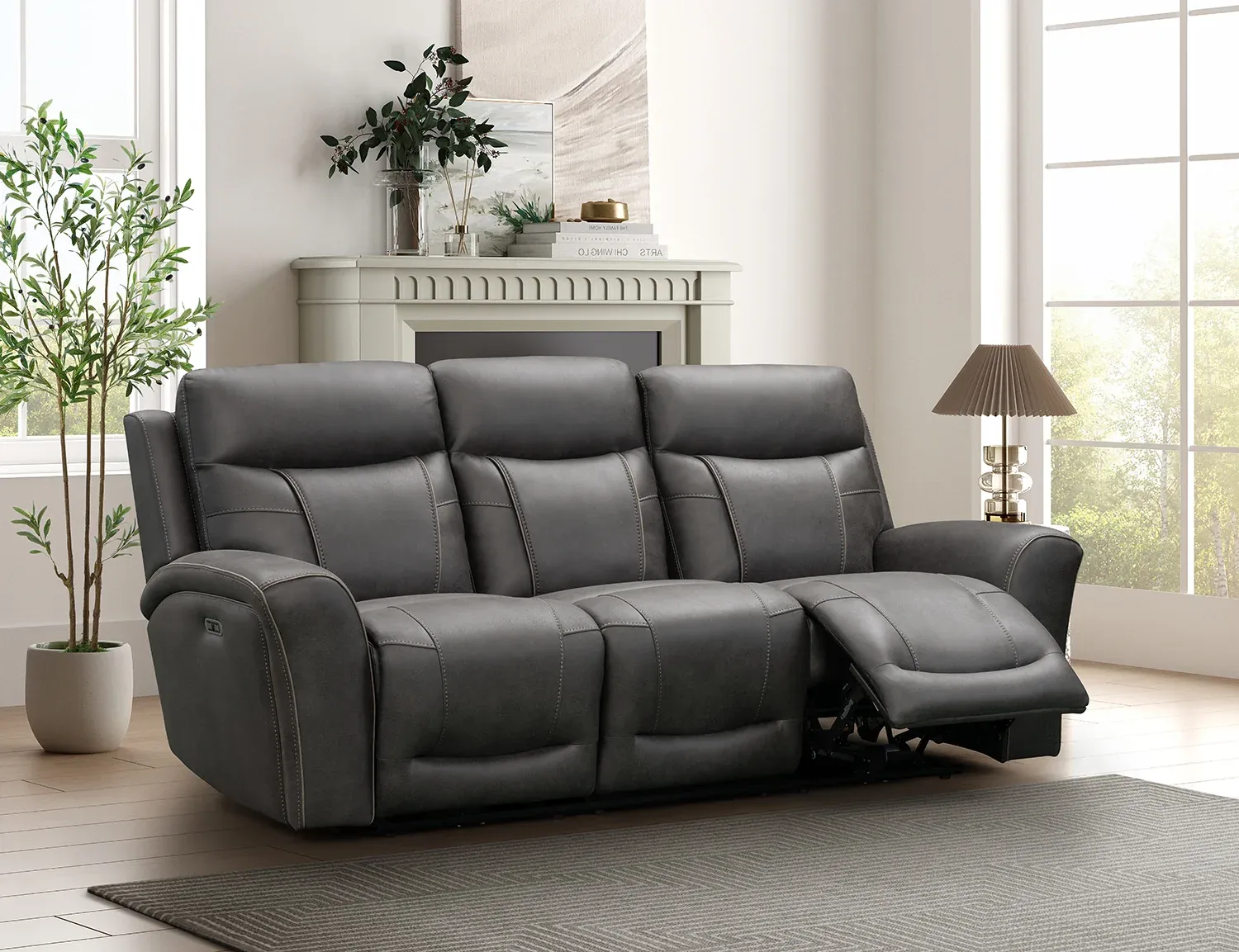


Every family sofa eventually meets the same test. It might be a toddler with a yoghurt, a dog coming in from the rain, a teenager eating crisps lying down, or one glass of red wine on a Saturday night. The sofa that looked perfect in the showroom now has to live with real people, and the fabric decides whether that goes well.
The good news is that the right choice isn't about buying the most expensive sofa. It's about knowing what to ask for. Here's what actually matters when you're choosing a sofa for a busy home.
Start with how your home really works
Before you look at colours, be honest about who uses the sofa and how. A sofa in a quiet front room that gets used on Sunday afternoons has a very different life from one in a family room where the children do homework, the dog sleeps and everyone eats in front of the television.
Ask yourself three questions. Who sits on it most days? Are there pets, and are they allowed up? Does anyone eat or drink on it? Your answers point you towards the right material far more reliably than any photo.
Easy-clean fabrics: what they are and what they aren't
Many sofa makers now offer what are often called lifestyle or easy-clean fabrics. These aren't one single material. Most are tightly woven polyester microfibres, chenilles or soft-touch weaves, finished during manufacture so that water-based spills sit on the surface instead of soaking straight in. The dense weave keeps anything that does get through in the top layer, where a damp cloth can reach it.
In practice, that means a spilt drink beads up and can be blotted away, and many everyday marks come out with nothing more than lukewarm water. Most of these fabrics are cleaned with water alone, and manufacturers usually advise against detergents, which can strip the finish.
It's worth knowing the limits too. Easy-clean fabrics are not indestructible. Claws can still snag a loose weave, dye from new jeans can transfer onto pale colours, and a spill left overnight can still mark. What they really buy you is time: minutes to deal with a spill rather than seconds, and a cloth job rather than a call to a professional cleaner. One more thing to ask about is whether the finish is built into the fibre or sprayed on afterwards, because sprayed finishes can wear off after a few years.
If you'd like the detail, this lifestyle fabrics guide explains how the finishes work and how to clean them.
The number most people never ask about
Every upholstery fabric has a durability rating called a Martindale rub count. It measures how many rubbing cycles a fabric survives in a laboratory test before it shows wear. As a rough rule, a fabric with 20,000 rubs or more is suitable for everyday domestic use, and 30,000 or more is considered heavy duty.
For a family sofa that gets used every day, it's worth asking for the rub count of the exact fabric you're considering. Two sofas can look identical in a showroom and wear completely differently after three years of real life.
The cleaning routine that keeps fabric looking new
Whatever fabric you choose, a few small habits make a big difference. Vacuum the sofa weekly with a soft brush attachment, because grit worked into the weave wears it faster than anything else. Blot spills straight away with a clean cloth rather than rubbing, then dab from the outside of the mark inwards so it doesn't spread. Let the fabric dry naturally rather than using a hairdryer. And turn and plump loose cushions regularly so they wear evenly.
What about leather?
Leather is a good family choice too, but only the right kind. The type of leather matters more than whether it is leather at all.
Pigmented or corrected-grain leather has a protective coloured finish on the surface. It resists scratches, spills and fading, and it wipes clean easily, which is why it's often recommended for homes with children. Natural aniline leather is beautiful and soft, but it marks more easily and will show claw marks from a dog or cat.
The ones to be careful with are faux leather and bonded leather. Faux leather can look very similar to the real thing when it's new, but the surface tends to wear through within a few years of daily use. Bonded leather is made from shredded leather fibres on a backing, and it's the material most likely to peel. If a price looks too good for a leather sofa, ask exactly what it's made of.
Real leather needs a little care to last: dust it regularly, keep it about a metre away from radiators and out of direct sunlight, and condition it a couple of times a year. This leather sofa buying guide explains the different types of leather in more detail.
Colour: the decision that hides the most
Colour choice can save you a lot of cleaning. Very pale fabrics show everything, and very dark ones show pet hair and dust. Mid-tones such as warm greys, taupes, oatmeals and soft greens are the most forgiving in a busy home. A textured weave hides more than a flat, smooth fabric, and a small pattern hides more than a plain one.
If you love a pale colour, choose an easy-clean fabric in it and add a washable throw for the spot where the dog likes to sleep. That one throw can add years to a sofa.
The short version
For a family home, the best sofa is the one that suits the way you really live. Look for an easy-clean fabric with a good rub count, or a pigmented leather if you prefer leather. Choose a forgiving mid-tone colour, and build a simple weekly cleaning habit. Do that, and the sofa will cope with the yoghurt, the dog and the red wine, and still look good when the children have grown up.
If you're starting to compare fabric sofas, sit on a few in person and ask for the fabric details of each one before you decide. Five minutes of questions in the shop can save years of frustration at home.
Written by the team at Homeflair, a family-run sofa showroom in Rotherham, trading since 1972.





















Sign in to leave a comment.