Chimney Damper Not Opening or Closing? Common Causes Explained


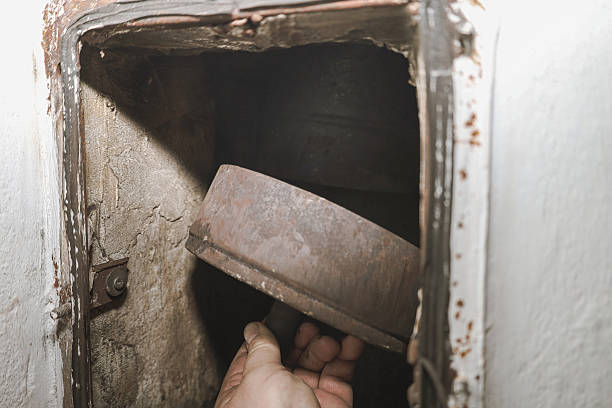
A chimney damper plays an important role in controlling airflow between the fireplace and chimney. When it works properly, it can be opened when a fire is burning and closed when the fireplace is not in use. If the damper becomes stuck, difficult to move, or fails to close completely, it can affect fireplace performance and allow unwanted drafts into the home.
Understanding why a chimney damper stops working can help homeowners recognize the problem and determine when professional attention is needed.
What Is a Chimney Damper?
A chimney damper is a movable plate or valve located inside the chimney or near the top of the firebox. Its main purpose is to regulate airflow. An open damper allows smoke and combustion gases to travel through the chimney, while a closed damper helps reduce outside air entering through the chimney when the fireplace is not being used.
Over time, soot, rust, moisture, debris, and normal wear can interfere with the damper mechanism.
Soot and Creosote Buildup
One of the most common reasons a damper becomes difficult to open or close is the buildup of soot and creosote. These materials can collect around the damper plate and surrounding components.
When deposits become thick, they may prevent the damper from moving smoothly. A damper that once operated easily may begin sticking or require excessive force. Burning wood regularly without proper chimney maintenance can contribute to this buildup.
Professional chimney cleaning lakewood co can help remove deposits that interfere with damper movement and other parts of the chimney system.
Rust and Corrosion
Metal dampers are exposed to heat, moisture, and combustion byproducts. Over time, these conditions can cause rust and corrosion.
A rusty damper may become stiff or difficult to move. In some cases, corrosion can weaken the damper plate, hinges, or connecting hardware. If rust has significantly affected the mechanism, cleaning alone may not solve the problem.
A chimney sweep lakewood co can examine the damper and determine whether it can be cleaned and restored or whether damaged components need attention.
Damaged or Bent Damper Components
A damper can also stop working because one of its components has become bent, loose, or damaged. The handle, chain, rod, hinges, or connecting parts may develop problems through regular use.
If the damper plate is bent, it may rub against the inside of the chimney or firebox. A loose connection can also prevent the plate from reaching the fully open or closed position.
Trying to force a damaged damper can make the problem worse. Professional evaluation can help identify the damaged part and determine the appropriate repair.
Debris Blocking the Damper
Leaves, twigs, nesting materials, pieces of masonry, and other debris can interfere with chimney components. Debris may enter through an unprotected chimney opening or come loose from deteriorating chimney materials.
When debris collects around the damper, the plate may become stuck. In some cases, small pieces can become lodged in the moving mechanism.
A proper chimney inspection lakewood co can help identify debris and other obstructions that may be affecting damper operation.
Moisture Inside the Chimney
Water entering through the chimney can cause several problems, including corrosion and deterioration of metal components. A damaged chimney cap, worn flashing, cracked masonry, or other openings can allow moisture to enter.
Repeated exposure to moisture can make damper components rusty and difficult to operate. It can also contribute to damage in surrounding chimney materials.
If moisture is suspected, the source should be addressed instead of focusing only on the stuck damper. Otherwise, the same problem may return after the damper has been cleaned or repaired.
Damaged Chimney Masonry
Problems with the chimney structure can sometimes affect damper operation. Loose masonry, deteriorating mortar, or damaged areas around the firebox may interfere with the damper assembly.
Masonry damage can also create debris that falls into the fireplace and collects around the damper.
Chimney repair lakewood co may be needed when structural deterioration is affecting the damper or other parts of the fireplace system. Addressing the underlying masonry problem can help prevent additional damage.
Problems With the Damper Handle or Mechanism
Some dampers are operated with a handle, while others use a chain, lever, or rod. If the operating mechanism becomes loose or disconnected, the damper may remain stuck even when the plate itself is in good condition.
A handle that moves without changing the damper position can indicate a disconnected or damaged component. Similarly, a chain that feels unusually loose may not be properly connected to the damper.
A professional can inspect the operating mechanism and check whether the damper is responding correctly.
Why You Should Not Force a Stuck Damper
It may be tempting to use extra force when a damper will not move. However, forcing it can bend the plate, break the handle, damage hinges, or create additional problems inside the chimney.
A stuck damper should be examined before the fireplace is used. The damper needs to open properly so smoke and combustion gases can move through the chimney safely.
If the damper cannot be opened, avoid using the fireplace until the issue has been evaluated.
When a Damper Will Not Close
A damper that stays open can allow cold outdoor air to enter the home when the fireplace is not being used. This may create drafts and make the room less comfortable.
An improperly closing damper may also indicate that soot, debris, rust, or a damaged component is preventing the plate from sealing correctly.
The problem should be checked rather than simply accepting the draft as normal. A properly functioning damper should move smoothly and reach its intended position.
When Professional Service Is Needed
Damper problems can sometimes be connected to larger chimney issues. If the damper is stuck, rusty, damaged, or difficult to operate, professional evaluation can help identify the cause.
Chimney services lakewood co can include inspection, cleaning, maintenance, repairs, and other work related to the chimney and fireplace system. Having the entire system checked can reveal problems that may not be visible from the fireplace opening.
Regular maintenance can also help homeowners notice small problems before they develop into more extensive repairs.
Keeping the Damper Working Properly
A clean and well-maintained chimney can help the damper operate as intended. Homeowners should pay attention to changes in how the damper moves. Difficulty opening or closing it, unusual sounds, visible rust, or a handle that no longer responds correctly can all indicate a problem.
Keeping the chimney free from excessive buildup and addressing moisture or masonry problems can also protect the damper mechanism.
A professional chimney inspection can provide a closer look at the damper, flue, firebox, and surrounding components. This gives homeowners a better understanding of the condition of the entire system.
Conclusion
A chimney damper that will not open or close can result from soot buildup, creosote, rust, moisture, debris, damaged components, or problems with the operating mechanism. Since the damper controls airflow through the chimney, it should be working properly before the fireplace is used.
Routine maintenance, cleaning, and inspection can help keep the damper and chimney system in good condition. If the damper becomes stuck or shows signs of damage, professional attention can identify the cause and determine whether cleaning, repair, or replacement is appropriate.



Sign in to leave a comment.