


Neck discomfort has become increasingly common among professionals who spend long hours at desks, use computers, or regularly work from mobile devices. Poor workstation setup, prolonged sitting, repetitive movements, and limited physical activity can all contribute to neck tension and restricted movement. For businesses, these issues can also affect employee comfort, concentration, productivity, and attendance.
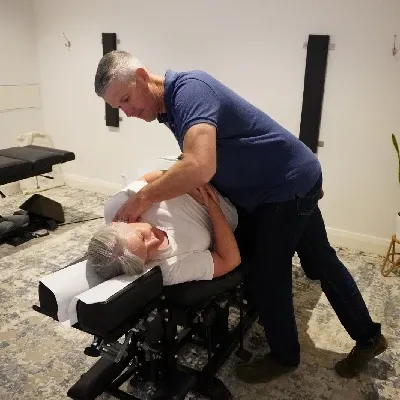
Seeking guidance from a chiropractor for neck pain may be one option for people looking for a structured approach to managing musculoskeletal discomfort. Chiropractic care commonly focuses on the relationship between the spine, joints, muscles, movement patterns, and everyday habits.
While every individual requires an appropriate assessment, understanding how chiropractic care may fit into a broader approach to neck and headache concerns can help people make informed decisions.
Understanding Common Causes of Neck Discomfort
Neck pain can develop for many different reasons. Sitting at a computer for extended periods is one common contributor, particularly when the screen, chair, or keyboard is poorly positioned.
Other potential contributors include:
- Repetitive workplace movements
- Extended smartphone use
- Poor sleeping positions
- Muscle tension
- Limited mobility
- Previous injuries
- Prolonged static posture
- Certain recreational activities
Modern workplaces can encourage people to remain in one position for several hours. Even when a person maintains relatively good posture, staying still for too long can place stress on particular muscles and joints.
The Connection Between Neck Tension and Headaches
Neck discomfort and headaches can sometimes occur together. Muscular tension around the neck and upper shoulders may contribute to certain headache patterns, although headaches can have many different causes.
People experiencing recurring headaches may therefore seek professional assessment rather than treating the symptoms in isolation.
A chiropractor for headache may assess the neck, upper back, posture, and movement patterns to determine whether musculoskeletal factors could be contributing to the person's symptoms.
Why Workplace Ergonomics Matter
Businesses can play an important role in reducing preventable musculoskeletal strain. Ergonomic improvements do not need to be complicated.
Simple measures can include:
Adjusting Monitor Height
A computer screen should generally be positioned so that employees do not have to constantly bend their neck downward or look upward.
Improving Chair Support
A suitable chair can help support a more comfortable working position. Employees should also be encouraged to change positions throughout the day.
Taking Movement Breaks
Short, regular movement breaks can help prevent prolonged static positioning. Walking briefly, stretching appropriately, or changing tasks can provide useful variation.
Reviewing Device Habits
Employees who regularly work from laptops or smartphones may benefit from considering how frequently they look downward for extended periods.
These workplace strategies can complement professional care when someone is already experiencing discomfort.
What Does a Chiropractic Assessment Involve?
A professional assessment may involve discussing the person's symptoms, lifestyle, work activities, previous injuries, and movement patterns.
The practitioner may also evaluate:
- Spinal movement
- Joint mobility
- Muscle tension
- Posture
- Functional movement
- Activities that aggravate or relieve symptoms
Based on the assessment, an appropriate care plan may include manual techniques, mobility exercises, strengthening strategies, ergonomic recommendations, or other conservative approaches.
The goal should be to develop an individualized plan rather than applying the same treatment to every person.
Chiropractic Care and Headache Management
People who experience headaches alongside neck or upper-back tension may wonder whether chiropractic care could be relevant.
It is important, however, to distinguish between different types of headaches. Migraine, tension-type headaches, headaches associated with illness, and headaches caused by other medical conditions can require different forms of management.
Anyone experiencing a new, severe, rapidly worsening, or unusual headache should seek appropriate medical evaluation.
Choosing the Right Professional Support
When selecting a chiropractic provider, people should consider qualifications, experience, communication, and the provider's approach to assessment.
A good consultation should provide an opportunity to explain symptoms and ask questions. Patients should understand what is being recommended and why.
A Broader Approach to Physical Wellbeing
Neck health is not only about treatment. Daily habits can have a significant influence on comfort and mobility.
A balanced approach may include:
- Regular physical activity
- Adequate recovery
- Appropriate workstation setup
- Strength and mobility exercises
- Healthy sleep habits
- Regular changes in posture
- Professional assessment when symptoms persist
These habits can help employees and individuals take a more proactive approach to musculoskeletal wellbeing.
Chiropractic Considerations During Pregnancy
Pregnancy brings significant physical changes, including changes in posture, weight distribution, mobility, and balance. Some people may therefore look for a pregnancy chiropractor who has appropriate experience working with pregnant patients.
Pregnancy-related chiropractic care should always be individualized. A qualified practitioner should consider the stage of pregnancy, symptoms, health history, comfort, and any relevant recommendations from the patient's maternity care team.
Pregnant individuals should communicate openly with their healthcare providers before beginning any new treatment approach.
Conclusion
Neck discomfort and headaches can affect both individual wellbeing and workplace performance. A combination of professional assessment, appropriate physical care, ergonomic improvements, and healthy daily habits can provide a more comprehensive approach.
FAQ
Can a chiropractor help with neck pain?
A chiropractor may provide conservative care for certain types of musculoskeletal neck discomfort following an appropriate assessment.
Can chiropractic care help headaches?
Some headaches may have musculoskeletal contributors, but headaches have many causes. Professional assessment is important before choosing treatment.
What does a chiropractor for neck pain assess?
Assessment may include posture, movement, joint mobility, muscle tension, lifestyle, and relevant medical history.
Is chiropractic care appropriate during pregnancy?
Some pregnant people seek chiropractic support, but care should be individualized and provided by an appropriately qualified practitioner.
What does pregnancy chiro mean?
“Pregnancy chiro” is an informal term commonly used for chiropractic care sought during pregnancy.





















Sign in to leave a comment.