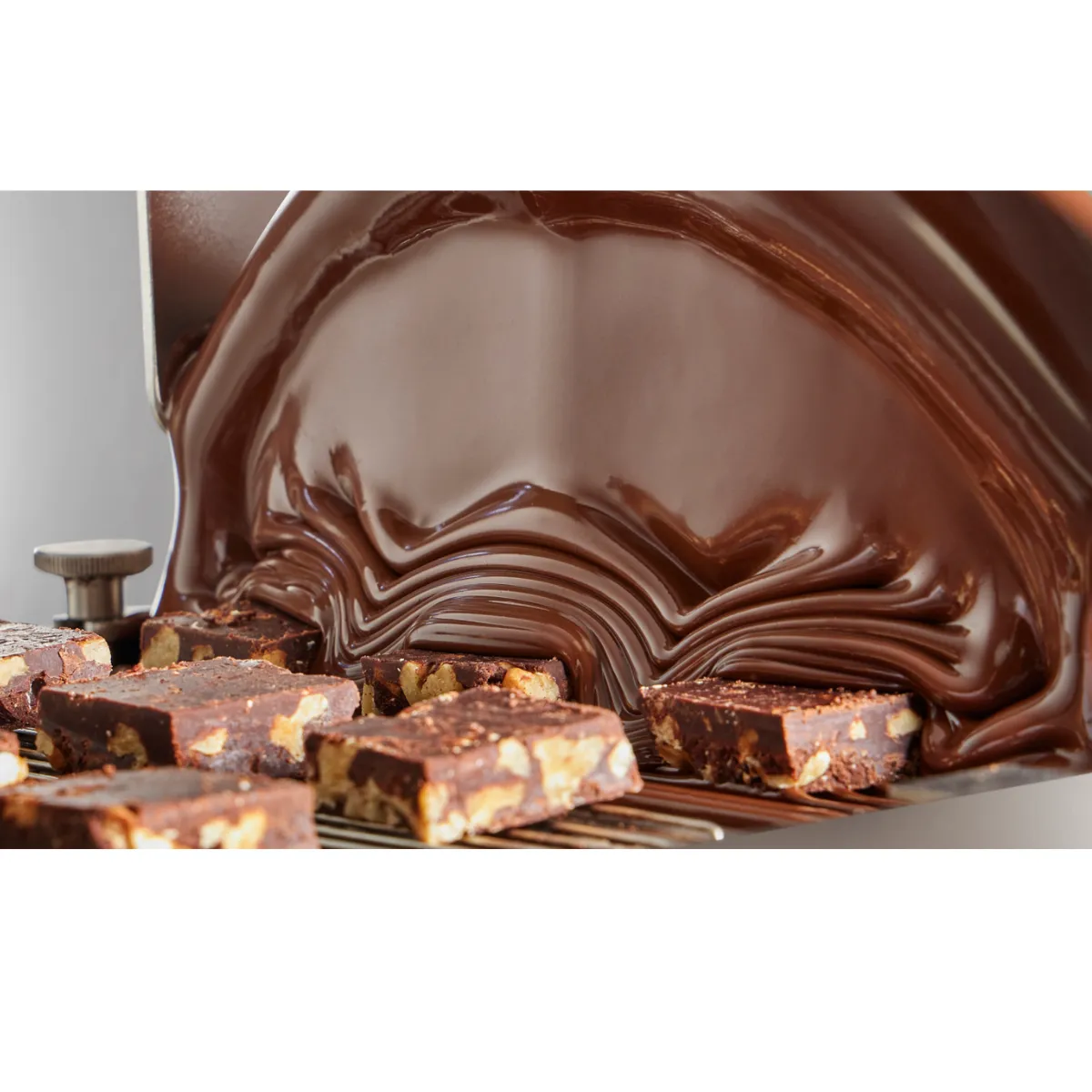

Chocolate is one of the world’s most loved treats, enjoyed in countless forms across cultures and generations. From smooth bars and filled chocolates to desserts and spreads, chocolate has become part of everyday indulgence as well as special celebrations. But behind every modern chocolate bar is a fascinating story that stretches back thousands of years. Understanding the chocolate bar origin reveals how cacao evolved from an ancient beverage into the beautifully crafted chocolate products enjoyed around the world today.
The Ancient Origins of Chocolate
The story of chocolate begins with the cacao tree, which is native to the tropical regions of the Americas. Ancient civilizations, particularly the Maya and Aztecs, valued cacao for its distinctive flavour and cultural importance. Rather than eating chocolate as a sweet solid bar, they traditionally prepared cacao as a bitter beverage.
The origins chocolate enthusiasts know today can therefore be traced back to a very different form of consumption. Cacao beans were fermented, dried, roasted and ground before being combined with water and other ingredients to create a drink. Unlike modern chocolate, this early preparation was generally bitter rather than sweet.
Cacao was also associated with ceremonies, social occasions and trade. Its value helped establish chocolate as something more significant than an ordinary food.
Chocolate Travels Beyond the Americas
Chocolate eventually travelled from the Americas to Europe, where it began to undergo significant changes. European consumers developed a preference for sweeter flavours, leading to the addition of ingredients such as sugar and spices.
Over time, chocolate became increasingly popular among European aristocrats and wealthy communities. Its preparation gradually became more refined, and innovations in processing eventually made chocolate more accessible.
The transformation from cacao beverage to modern confectionery was not immediate. It involved centuries of experimentation and technological development. These changes laid the foundation for the chocolate products that would later become popular worldwide.
The Birth of the Modern Chocolate Bar
One of the most important developments in chocolate history was the creation of solid chocolate suitable for moulding into bars. Improvements in cocoa processing helped manufacturers produce smoother and more consistent chocolate.
The development of techniques for separating cocoa solids and cocoa butter played an important role in creating the texture associated with modern chocolate. Manufacturers could combine these ingredients with sugar and other components to produce a smoother, more appealing product.
This period marks a crucial chapter in the chocolate bar origin story. Chocolate was no longer limited to beverages. It could now be shaped, packaged and sold as a convenient treat.
How Chocolate Became More Accessible
As chocolate-making technology improved, production became more efficient. Industrial manufacturing allowed chocolate to move beyond elite circles and become available to a much wider audience.
Mass production also encouraged manufacturers to experiment with different formats. Plain chocolate bars were joined by varieties containing nuts, caramel, fruit, creams and other fillings.
Packaging played another important role. Individually wrapped chocolate bars became easy to transport, store and share, helping chocolate become a familiar product in shops around the world.
The Evolution of Chocolate Spreads
Chocolate did not stop evolving with the creation of bars. Manufacturers and chocolatiers continued exploring different ways to enjoy cacao.
One popular development was chocolate spread, which transformed the familiar flavour of chocolate into a smooth, easily spreadable format. Chocolate spreads became popular as breakfast accompaniments, dessert ingredients and everyday treats.
The popularity of chocolate spread demonstrates how versatile chocolate has become. The same basic ingredient can be transformed into bars, fillings, sauces, beverages and spreads, each offering a different experience.
Chocolate Becomes a Global Favourite
The worldwide popularity of chocolate can be attributed to several factors. Its versatility allows it to appeal to different tastes, cultures and occasions. Chocolate can be enjoyed as a quick snack, included in desserts or presented as a thoughtful gift.
Its association with celebrations has also strengthened its cultural importance. Birthdays, anniversaries, festivals, weddings and other occasions frequently feature chocolate-based gifts and desserts.
At the same time, advances in chocolate craftsmanship have introduced consumers to increasingly diverse flavours. Dark, milk and white chocolate are now joined by chocolates featuring nuts, fruits, spices, caramel and other ingredients.
The Rise of Premium and Artisanal Chocolate
Today, chocolate is not simply about mass-produced confectionery. There is growing appreciation for artisanal craftsmanship, premium ingredients and distinctive flavour combinations.
Modern chocolatiers often pay close attention to the origin of cacao, roasting techniques, texture and presentation. This has created a new appreciation for chocolate as a crafted food rather than simply a sweet snack.
The renewed interest in quality has also encouraged consumers to explore different chocolate styles and understand more about how chocolate is produced.
From Ancient Cacao to Modern Chocolate
The journey of chocolate is a remarkable example of how food can evolve across centuries. What began as a traditional cacao beverage eventually developed into the enormous variety of chocolate products available today.
Today, chocolate continues to bring people together through everyday indulgence and special celebrations. Brands such as Le Pure Chocolatier build on this rich tradition by combining chocolate craftsmanship with contemporary presentation, creating products that make every bite and gifting moment feel special.
From ancient cacao traditions to the modern chocolate bar, the story of chocolate is ultimately a story of transformation, creativity and the universal pleasure of enjoying something delicious.

























Sign in to leave a comment.