

Choosing a digital marketing business in India is one of those decisions that looks straightforward until you're three months into a retainer that isn't working. In our experience at Offbeat Pixels, many startups and D2C brands shortlist agencies based on a slick website, a well-designed case study deck, or a sales call where someone said all the right things. The Indian digital marketing landscape has hundreds of capable firms, but capable doesn't mean right for you.
The market has grown fast. There are generalists, specialists, performance-only shops, full-service outfits, and everything in between. The real problem isn't finding an agency. It's knowing what you're actually buying, whether it fits your stage, and whether the numbers you'll be shown are real. This article gives you a practical framework to ignore the packaging and evaluate what actually matters, so you can shortlist digital marketing agencies in India that genuinely match your situation.
How the Indian digital marketing market is actually structured
Before you start comparing proposals, you need to understand what you're comparing. The Indian Agency market isn't a flat list of options. It's clustered by city, orientation, and depth of expertise, and those clusters tell you something useful.
City clusters and what they signal
Mumbai dominates for full-service, creative-led, and network-affiliated agencies. Names like WATConsult, Schbang, and Kinnect are headquartered there, and their default orientation is brand-first, campaign-driven work. Delhi-NCR is the stronghold for SEO-led and performance marketing firms; agencies like Techmagnate, PageTraffic, and Growth Hackers Digital have built strong reputations in search and paid acquisition. Bengaluru leans tech-forward, with firms like Social Beat that are better suited for D2C and product-led brands. Since the post-pandemic shift to distributed teams, geography matters less than it once did, but city clusters still reflect where a firm's default instincts were shaped, and that instinct matters when they're building your strategy.
Specialists versus full-service digital marketing agencies in India
The other structural divide is specialists versus full-service firms. Specialists go deep on one channel, whether that's SEO, LinkedIn, or performance marketing, and they usually get results faster on that channel. Full-service firms offer integrated coverage across multiple touchpoints. For early-stage startups, a specialist often delivers faster, measurable wins within a limited budget. For D2C brands that have moved well past the early growth stage, a full-service or integrated firm typically makes more sense because the channels need to work together, not in parallel silos.
The services that actually move the needle at your stage
Agencies list ten services on their website. Most of them won't matter to you right now, which ones do depends entirely on where you are in your growth curve. A useful way to think about it: at the earliest stage, you need proof that a channel works before you scale it. That narrows the list considerably.
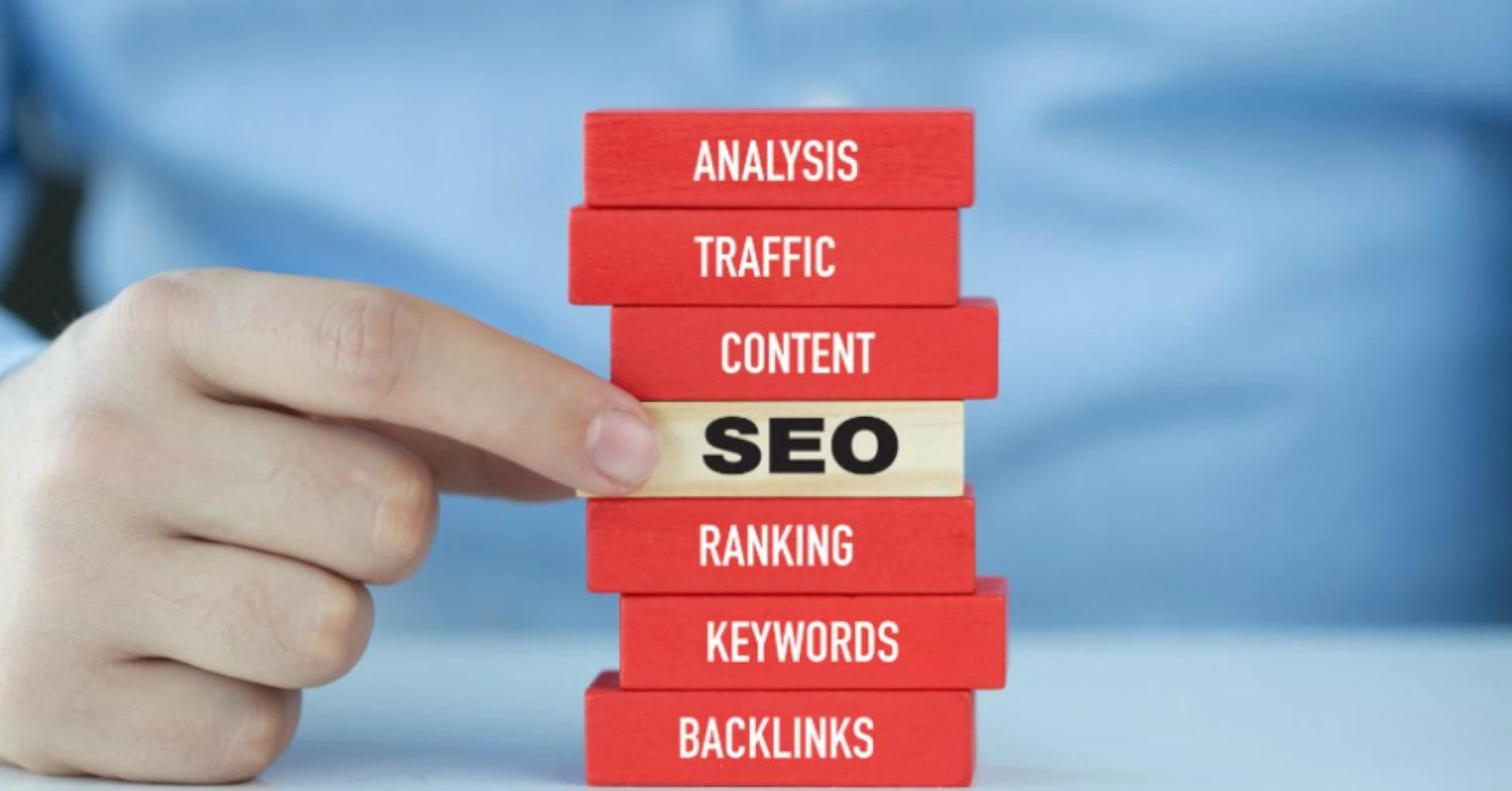
The services most consistently linked to revenue are SEO, performance marketing, and CRM automation. SEO builds compounding organic visibility. It often takes four to six months or more to show real traction, depending on competition and your technical baseline, but it reduces your customer acquisition cost over time in a way paid ads never will. Performance marketing through Google Ads and Meta Ads delivers faster results but requires consistent budget and active optimisation to stay efficient. CRM automation and email marketing sustain revenue after acquisition, particularly critical for D2C brands where retention is the difference between a business and a brand.
Read More: OffbeatPixels




















Sign in to leave a comment.