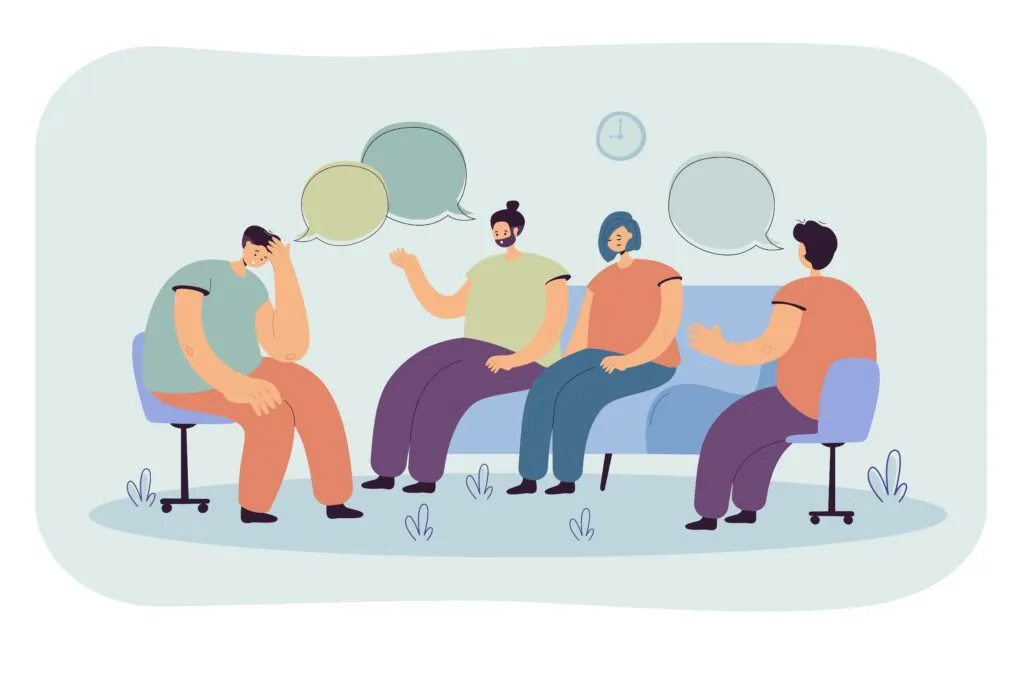

There's usually a specific moment that pushes a family from "we need to talk about this" to "we need to find a centre." Maybe it was a missed shift, a fight that went too far, or simply the quiet realization that things haven't gotten better on their own. Whatever brought you here, the search that follows — typing "nasha mukti kendra near me" at 11 pm — is one of the more stressful kinds of research a person can do, because the decision feels irreversible and the information online rarely tells you what actually matters.
If you're comparing options around Kurali, here's a more useful way to think about it than just picking the nearest listing.
Location Matters, But Not for the Reason You Think
Kurali's position — close enough to Mohali and Chandigarh for family visits, far enough to offer some distance from familiar triggers — is genuinely a practical advantage for many families. But proximity alone doesn't tell you anything about the quality of care inside.

What proximity should buy you is the ability to stay involved. Family participation during treatment — visits, family counselling sessions, involvement in discharge planning — is associated with better long-term outcomes than treatment where the family is kept at arm's length. So when you're comparing a centre, i.e nasha mukti kendra in Kurali, against one two hours away, the real question isn't "which is closer" but "which one actually wants me involved, and how."
The Questions That Cut Through the Marketing
Most centres describe themselves the same way: caring staff, peaceful environment, proven results. None of that helps you compare. Ask instead:
- Is the facility registered, and under what license?
In India, de-addiction centres are expected to operate under state health department norms, and many follow guidelines connected to the Ministry of Social Justice and Empowerment's National Action Plan for Drug Demand Reduction. A centre that can answer this clearly, without hesitation, is a good sign.
- Who supervises detox?
Withdrawal from alcohol or certain sedatives can be medically risky, sometimes dangerously so. Detox should be medically supervised, not just staff-managed. If a centre is vague about whether a doctor is on-site or on-call, that's worth pressing on.
- What happens after discharge?
A 21- or 30-day stay is a start, not a finish line. Ask specifically what aftercare looks like — follow-up counselling, relapse-prevention planning, support group referrals — because the weeks immediately after leaving a facility are when relapse risk is highest.
- How do they involve families?
Some centres run this well, with structured sessions; others treat family contact as an afterthought.
- What's the actual daily structure?
Vague answers ("holistic therapy," "yoga and counselling") aren't necessarily bad, but you want specifics: individual counselling frequency, group sessions, medical check-ins.
If you want a sense of what this looks like in practice for a specific facility, it's worth reviewing how a local rehab centre in Kurali structures its programs — comparing that structure against the checklist above is a more productive exercise than comparing brochures.
Three Assumptions Worth Rethinking
"Detox means they're cured." Detox clears the substance from the body. It doesn't address the behavioral patterns, triggers, or underlying stress that led to use in the first place. Families sometimes treat detox as the finish line and are blindsided when problems resurface without ongoing support.
"A longer stay is always better." Duration matters less than what happens during that time and after discharge. A well-structured 30-day program with strong aftercare can outperform a poorly run 90-day stay. Ask what the extra time is actually used for before assuming longer equals better.
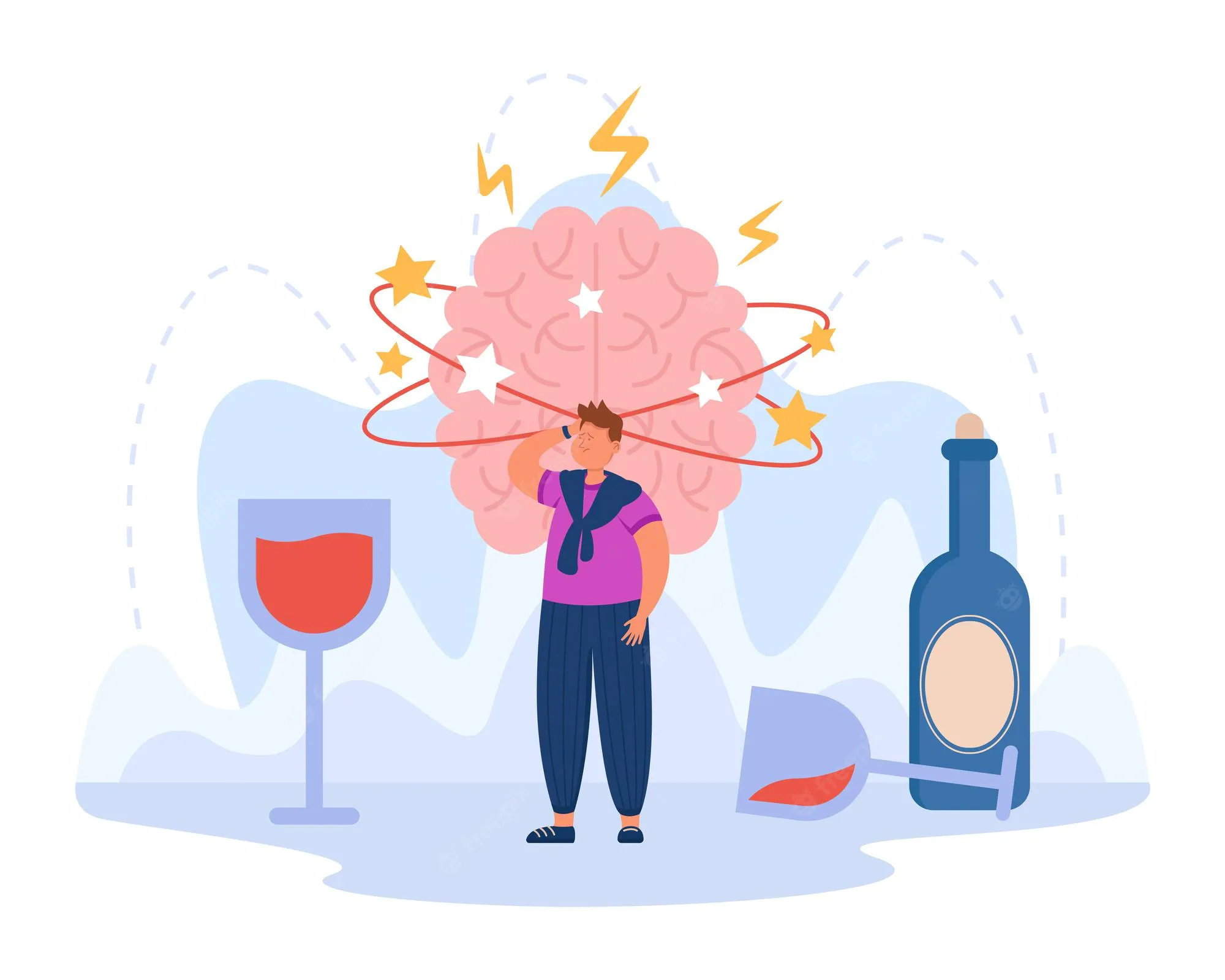
"If they really wanted to stop, willpower would be enough." This is one of the most common — and most damaging — beliefs families carry into treatment decisions. Substance dependence involves changes to brain chemistry and reward pathways, which is part of why professional intervention, not willpower alone, is usually necessary. Reframing this for other family members (grandparents, in particular) can reduce a lot of unnecessary blame and shame during an already hard period.
What Recovery Actually Looks Like
It's rarely linear. A relapse during recovery is a signal to adjust the treatment plan, not proof that treatment failed or that the person "isn't trying." Families who go in expecting a straight line to permanent sobriety often experience the first setback as a crisis, when it's frequently just part of the process. Centres that talk honestly about this — rather than promising guaranteed outcomes — are generally more trustworthy than ones that don't.
Before You Decide
Two practical steps before committing to any centre:
- Call and ask the questions above directly. How a facility answers — specifically, defensively, or vaguely — tells you almost as much as the answer itself.
- Talk to a doctor first if withdrawal risk is a concern, particularly for alcohol or benzodiazepine use, where unsupervised withdrawal can be medically dangerous. A physician can help you understand whether inpatient medical detox is necessary before behavioral treatment even begins.
Choosing a centre for someone you love is hard precisely because so much rides on getting it right. Slowing down enough to ask real questions — rather than choosing based on proximity or price alone — tends to make the rest of the process, and the recovery that follows, considerably steadier.





























Sign in to leave a comment.