

Plantar fasciitis is a common foot condition that can cause persistent heel pain, stiffness, and discomfort during everyday activities. It often affects individuals who spend long hours standing, walking, or participating in physical exercise. Selecting appropriate footwear can play an important role in managing these symptoms and supporting daily mobility. A suitable boot for plantar fasciitis can provide cushioning, stability, and arch support, helping reduce pressure on the heel and surrounding tissues while allowing individuals to maintain a more comfortable and balanced walking experience.
Understanding Plantar Fasciitis and Its Impact on Foot Health
Plantar fasciitis develops when the plantar fascia, a thick band of connective tissue extending along the bottom of the foot, becomes irritated or overloaded. This tissue connects the heel bone to the toes and helps maintain the foot's natural arch. Repeated strain can cause small injuries and inflammation around the attachment point near the heel. Individuals commonly experience sharp pain during their first steps in the morning or after prolonged periods of sitting. Without appropriate management, the discomfort can interfere with walking, exercise, and routine daily responsibilities.
Common Symptoms and Contributing Factors
The symptoms of plantar fasciitis can vary depending on the severity of the condition and an individual's daily activities. Heel pain is the most recognizable symptom, although some people also experience tenderness along the arch or stiffness throughout the sole. Discomfort may become more noticeable after extended walking, running, or standing on hard surfaces. Several factors, including tight calf muscles, limited ankle mobility, increased body weight, and unsuitable footwear, can contribute to excessive tension on the plantar fascia. Identifying these factors helps individuals make informed decisions about footwear and other supportive measures.
Why Appropriate Footwear Matters for Plantar Fasciitis
Footwear plays an important role in distributing body weight, supporting natural foot movement, and reducing excessive pressure on sensitive areas. Individuals experiencing plantar fasciitis may benefit from shoes or boots that provide consistent cushioning, a stable base, and adequate arch support. Poorly fitted footwear can increase strain on the plantar fascia, potentially aggravating existing discomfort during everyday movement. Appropriate footwear can help minimize unnecessary stress on the heel while improving walking comfort. However, footwear alone may not resolve the condition, and its benefits are often greater when combined with appropriate stretching and professional guidance.
The Importance of Cushioning and Shock Absorption
Cushioning helps reduce the impact transmitted through the heel during walking and other weight bearing activities. A supportive boot with shock absorbing materials can help distribute pressure more evenly across the foot, potentially reducing discomfort during movement. Soft cushioning may also improve comfort for individuals who spend extended periods standing on hard surfaces. However, excessive softness without sufficient stability may allow unwanted foot movement. A balanced combination of cushioning and structural support is generally more suitable for individuals with plantar fasciitis. The ideal level of cushioning depends on personal comfort, activity levels, and individual foot structure.
How Arch Support Helps Reduce Strain
The plantar fascia contributes to maintaining the foot's natural arch, which supports stability and helps manage forces during walking. Appropriate arch support can assist in distributing pressure across the sole and limiting excessive stretching of the plantar fascia. Boots with a supportive footbed may help individuals maintain a more comfortable foot position throughout daily activities. The required level of support varies according to arch height, foot flexibility, and walking mechanics. Individuals experiencing persistent heel pain may benefit from a professional assessment to determine whether built in arch support or customized orthotic inserts are appropriate.
Essential Features to Consider When Choosing a Boot for Plantar Fasciitis
Selecting suitable footwear requires attention to several features that influence comfort, stability, and overall foot health. A properly designed boot should provide adequate cushioning, supportive construction, sufficient toe room, and a secure fit without creating unnecessary pressure. Individuals should also consider the activities for which the boot will be used, including walking, standing, or outdoor movement. A carefully selected boot for plantar fasciitis may help reduce discomfort during everyday activities while supporting a more natural walking pattern. Evaluating these characteristics can help individuals identify footwear that accommodates their specific needs.
Proper Fit and Adequate Toe Space
A proper fit is essential for preventing unnecessary pressure and maintaining comfortable foot movement. Boots that are too tight can compress the toes, create friction, and contribute to discomfort, while oversized footwear may cause instability and excessive movement inside the shoe. Adequate toe space allows the toes to spread naturally during walking and helps reduce pressure on the forefoot. Individuals should consider both foot length and width when selecting a boot. Trying footwear later in the day may provide a more realistic fit because feet can expand slightly after prolonged standing and walking.
Stability and Heel Support
Stability is another important consideration for individuals managing plantar fasciitis. A stable boot helps maintain appropriate foot positioning and may limit excessive movement that places additional strain on the plantar fascia. A firm heel counter can support the rearfoot and reduce unwanted side to side movement during walking. The sole should provide a dependable foundation without restricting natural foot motion unnecessarily. Individuals may find that footwear with a moderately firm structure offers a suitable balance between comfort and control. The most appropriate design depends on walking mechanics, individual preferences, and the severity of symptoms.
Flexible Soles and Natural Foot Movement
Sole flexibility can influence how comfortably a boot accommodates the natural movements involved in walking. Footwear that bends appropriately near the forefoot may support a smoother walking pattern while maintaining sufficient stability through the heel and arch. However, a sole that is excessively flexible may provide inadequate structural support for some individuals with plantar fasciitis. A balanced design can help maintain comfortable movement without placing unnecessary stress on sensitive tissues. Individuals should evaluate how a boot feels during standing and walking rather than relying exclusively on its appearance or advertised features.
Different Types of Boots Suitable for Plantar Fasciitis
Various boot designs may provide support for individuals experiencing plantar fasciitis, depending on their activities and specific foot care requirements. Walking boots, supportive everyday boots, and certain orthopedic designs may offer cushioning, stability, and adequate room for orthotic inserts. Some individuals may also require a medical walking boot when recommended by a healthcare professional for a particular injury or condition. Each type serves a different purpose, and not every boot is suitable for every individual. Understanding these differences can help people select footwear that aligns with their mobility needs and professional treatment recommendations.
Supportive Walking Boots
Supportive walking boots are designed to provide stability and cushioning during routine movement. They may feature structured soles, cushioned footbeds, and supportive heel construction to improve comfort during extended periods of walking. Individuals with plantar fasciitis may find these characteristics useful when navigating daily responsibilities, running errands, or participating in light outdoor activities. Walking boots should provide sufficient space for the toes while keeping the heel securely positioned. Their suitability depends on individual symptoms and foot structure. People experiencing significant discomfort should seek professional advice before increasing walking distances or engaging in strenuous activities.
Orthopedic Boots and Customized Footwear
Orthopedic boots are designed to address specific foot alignment, support, and comfort requirements. Depending on their construction, they may accommodate custom orthotic inserts, provide additional arch support, or offer extra space for particular foot shapes. Customized footwear may be considered when standard boots do not provide an appropriate fit or adequate support. A podiatrist or qualified healthcare professional can assess foot mechanics and determine whether specialized footwear is necessary. Although orthopedic designs can support certain foot conditions, their suitability varies between individuals. Proper assessment helps ensure that the selected footwear addresses the underlying mechanical concerns.
The Role of Orthotic Inserts in Improving Foot Comfort
Orthotic inserts can provide additional cushioning, arch support, and pressure redistribution for individuals experiencing plantar fasciitis. These inserts fit inside suitable footwear and may help improve foot positioning during standing and walking. Some individuals benefit from prefabricated inserts, while others may require customized orthotics based on their foot structure and specific symptoms. The effectiveness of an insert depends on its design, fit, and compatibility with the footwear. Orthotics should not create excessive pressure or alter walking mechanics in an uncomfortable way. Professional guidance can help individuals identify an appropriate option for their particular needs.
Choosing Between Prefabricated and Custom Orthotics
Prefabricated orthotics are commercially available inserts designed to accommodate a range of foot shapes and support requirements. They may provide cushioning and general arch support without requiring an individualized fitting process. Custom orthotics are developed according to an individual's foot measurements, alignment, and clinical assessment. They may be considered when symptoms persist or when particular biomechanical requirements need to be addressed. Both options have potential benefits, and neither is universally suitable for everyone. Healthcare professionals can recommend an appropriate approach based on symptom severity, foot structure, activity levels, and response to previous treatment.
Everyday Habits That Can Support Plantar Fasciitis Management
Footwear selection is only one aspect of managing plantar fasciitis. Everyday habits can also influence the amount of stress placed on the plantar fascia and contribute to overall foot comfort. Individuals may benefit from gradually increasing physical activity, avoiding sudden changes in exercise intensity, and choosing supportive footwear for routine tasks. Maintaining a healthy body weight, where appropriate, can also help reduce excessive mechanical loading on the feet. Regular attention to discomfort and changes in walking ability can help individuals recognize when adjustments to their activities or treatment plans may be necessary.
Stretching and Strengthening Exercises
Gentle stretching exercises targeting the calf muscles and plantar fascia may help improve flexibility and reduce tension around the heel. Calf stretches, towel stretches, and controlled foot movements are commonly included in plantar fasciitis rehabilitation programs. Strengthening exercises that target the foot and lower leg muscles may also support stability and movement control. Exercises should be performed gradually and should not cause significant pain. A physical therapist or healthcare professional can recommend suitable techniques and repetitions according to individual requirements. Consistent participation in an appropriate exercise program may support recovery and improve functional mobility over time.
Managing Daily Activities and Rest
Activity management can help prevent repeated overloading of the plantar fascia during recovery. Individuals experiencing heel pain may need to temporarily reduce activities that involve prolonged standing, running, or repetitive impact. Alternating demanding tasks with periods of rest can help manage discomfort while maintaining a reasonable level of movement. Low impact activities may provide opportunities to remain physically active without placing excessive stress on the heel. However, prolonged inactivity is not generally necessary for every case. A gradual return to normal activities, guided by symptoms and professional recommendations, can help support a more sustainable recovery process.
When to Seek Professional Guidance for Heel Pain
Although plantar fasciitis often improves with appropriate conservative care, persistent or severe heel pain may require professional assessment. Individuals should consult a healthcare professional if discomfort continues despite footwear adjustments, stretching, and activity modification. Sudden severe pain, substantial swelling, redness, numbness, or difficulty bearing weight may indicate another condition that requires prompt evaluation. A clinician can assess symptoms, examine foot mechanics, and recommend appropriate treatment options. Early assessment can help identify contributing factors, distinguish plantar fasciitis from other causes of heel pain, and prevent unsuitable self management strategies from delaying recovery.
Treatment Options Beyond Supportive Footwear
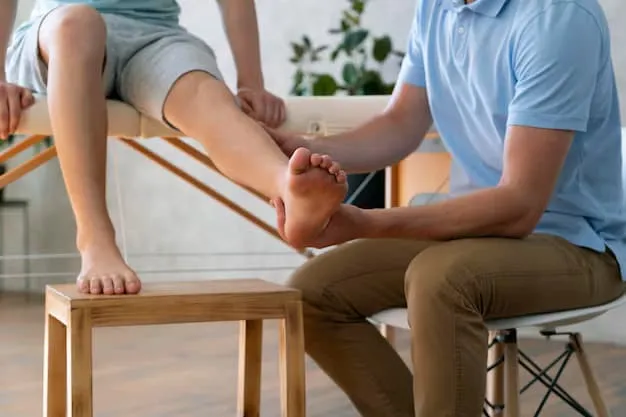
When footwear modifications and home care do not provide sufficient relief, healthcare professionals may recommend additional treatment options. Physical therapy can help address muscle tightness, limited mobility, and movement patterns that contribute to foot discomfort. Other approaches may include taping, night splints, or specific orthotic interventions, depending on the individual's condition. In selected cases, medical treatments may be considered after evaluating potential benefits and risks. Treatment decisions should be individualized according to symptom duration, severity, medical history, and response to conservative care. Professional supervision helps ensure that treatment remains appropriate throughout the recovery process.
Maintaining Long Term Foot Comfort and Mobility
Long term foot comfort depends on consistent attention to footwear, activity habits, and changes in symptoms. Individuals who have experienced plantar fasciitis may benefit from continuing appropriate stretching, selecting supportive footwear, and avoiding sudden increases in physical activity. Boots should be checked regularly for worn soles, compressed cushioning, or damaged support structures that may affect comfort and stability. Replacing footwear when it no longer provides adequate support can help maintain appropriate conditions for daily movement. Regular attention to foot health can also help individuals recognize early signs of recurring discomfort and seek guidance when needed.
Making Informed Footwear Decisions
Choosing suitable footwear involves considering comfort, fit, support, durability, and individual activity requirements rather than relying on a single feature. Individuals should assess how a boot feels during normal movement and determine whether it accommodates their foot shape without creating pressure points. Professional recommendations can be particularly valuable for people with persistent symptoms, unusual foot mechanics, or additional medical concerns. A carefully selected boot may help support everyday mobility and reduce avoidable strain. By combining appropriate footwear with healthy movement habits and timely care, individuals can make informed decisions that support ongoing foot comfort.
Conclusion
Achieving lasting foot comfort requires an informed approach to footwear, daily activities, and appropriate foot care. Ler Magazine recognizes the importance of understanding how supportive footwear can help individuals manage plantar fasciitis and maintain everyday mobility. Selecting a suitable boot with adequate cushioning, arch support, stability, and a comfortable fit may help reduce pressure on sensitive tissues. When combined with stretching, activity modification, and professional guidance when necessary, appropriate footwear can become a valuable part of an individualized foot care routine. Paying attention to changing symptoms and choosing footwear according to personal needs can support comfortable movement and long term foot health.


























Sign in to leave a comment.