

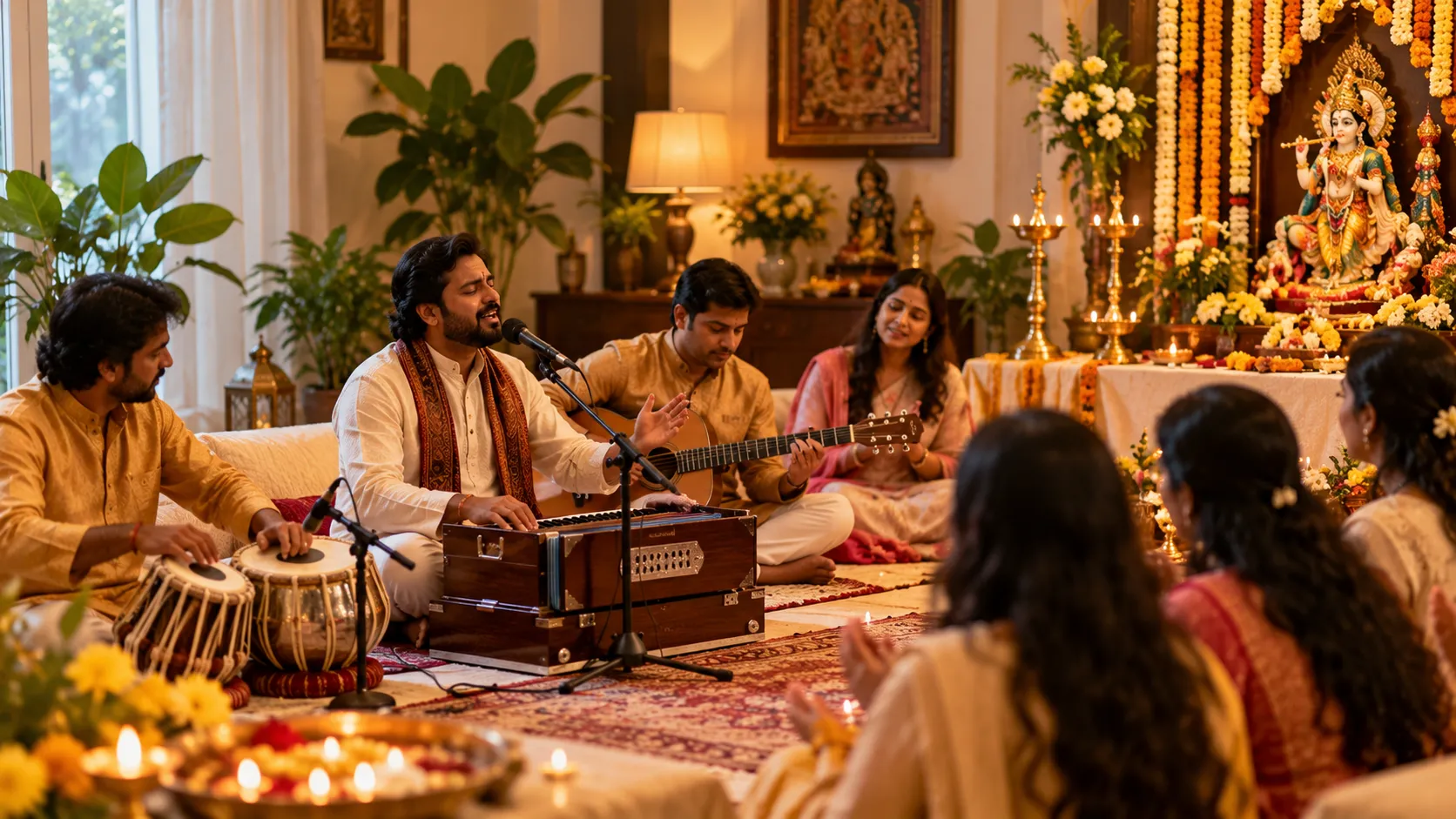
Ask any family who has hosted more than one spiritual gathering at home, and they will usually tell you the same thing. The decor is remembered for a week, the food for a few days, but the singers are what people talk about months later. A group that can read the room, hold an audience through quiet moments, and build energy naturally rather than forcing it tends to be the single biggest factor in whether an evening feels genuinely moving or simply well organized. This is exactly why services such as Hostasatsang spend as much time vetting performers as they do managing decor and logistics, since the right artists shape the evening more than almost anything else.
This guide looks specifically at how families can evaluate and choose devotional singers and mandalis for a home event, what questions actually matter, and where first time hosts tend to go wrong.
Why the Artists Matter More Than Most Hosts Expect
It is easy to assume that most devotional singers offer a broadly similar experience, since the songs themselves are often familiar and shared across performers. In practice, the difference between an experienced mandali and a less experienced one shows up in details that only become obvious once the event is underway.
A skilled group reads the energy of the room and adjusts accordingly, slowing down when guests seem tired, building momentum when the mood calls for it, and knowing which songs work best at which point in the evening. A less experienced group tends to follow a fixed setlist regardless of how the room responds, which can leave an evening feeling technically correct but emotionally flat. Families who have experienced both differences firsthand usually become far more selective the second time they plan an event.
What to Actually Ask Before Booking
Most families default to asking about price and availability first, which is understandable but rarely reveals whether a group will actually suit the occasion. A more useful starting point is asking how the group typically structures an evening, whether they adjust their setlist based on audience response, and how they handle a room that starts out quiet or hesitant to participate.
It also helps to ask directly about experience with the specific format being planned. A group well suited to a Kirtan Sandhya, where intimate, communal singing is the focus, may not necessarily be the right fit for a livelier Mata Ki Chowki, where audience energy and a fuller instrumental setup often matter more. Similarly, sustaining an overnight Jagran requires a different kind of stamina and repertoire than a shorter evening event, and not every group is equally prepared for that difference.
Requesting a short recording or video from a previous event, rather than relying solely on a written portfolio, tends to reveal far more about how a group actually sounds and performs live, particularly in a home setting rather than a large hall.
Understanding Group Size and Instrumentation
Devotional singing groups vary considerably in size, from a solo vocalist with a harmonium to a full mandali including dholak, tabla, and additional vocalists. The right size depends heavily on the scale of the event and the space available, and this is an area where first time hosts sometimes misjudge what they actually need.
A smaller home gathering with forty or fifty guests rarely benefits from an oversized group with a full instrumental setup, since the sound can quickly overwhelm the space and drown out the sense of intimacy many hosts are hoping to create. Conversely, a larger celebratory gathering, particularly one built around a livelier format, often benefits from a fuller group capable of sustaining energy across a larger, more spread out audience.
Asking a prospective group directly what size setup they would recommend for a specific guest count and space, rather than defaulting to their standard package, tends to result in a better match than assuming bigger is always better.
Red Flags Worth Taking Seriously
A few patterns tend to signal that a group may not be the right fit, even if pricing looks reasonable. Vague or evasive answers about what happens if a key member is unavailable on the event date is one of the more telling signs, since a group with a genuine backup plan usually explains it clearly and without hesitation.
Reluctance to share any recorded material from previous performances is another signal worth noting, particularly for families unfamiliar with a group's actual sound and stage presence. Similarly, groups unwilling to discuss how they would handle a longer than expected evening, whether through additional songs or clear overtime terms, sometimes create friction later if the event naturally runs past its originally planned length.
How Coordinated Planning Helps With This Decision
Selecting the right singers independently requires a fair amount of research, particularly for families unfamiliar with the local devotional music scene or planning an event outside their usual city. Watching multiple videos, following up on references, and comparing groups across different formats takes real time, often during a period already full of other planning demands.
Working with an experienced spiritual event coordinator tends to shortcut much of this process, since verified groups with a track record across different formats are usually already part of an established network. This does not remove the family's role in the decision entirely, but it does narrow the options to performers who have already been vetted for reliability and quality, rather than starting the search from nothing.
Matching Singers to the Specific Occasion
Beyond format and group size, it is worth considering the specific occasion being marked. A gathering held to mark a personal milestone, such as recovery from illness or a family member's safe return from travel, often calls for a more reflective tone than a festival celebration drawing a larger, more festive crowd. Communicating this context to a prospective group before booking allows experienced performers to tailor their approach, rather than defaulting to a standard set regardless of the occasion's specific meaning to the family.
Families observing a particular regional or linguistic tradition should also confirm that a group is comfortable performing in that specific style or language, since devotional music varies considerably across regions, and a group skilled in one tradition may not be equally versed in another.
Setting Expectations Around Timing and Flow
Once a group is selected, it helps to walk through the rough shape of the evening together beforehand, even if the final details remain flexible. Confirming approximate start and end times, any planned breaks for Sundarkand Path or ritual elements woven into the evening, and how prasad distribution should align with the singing helps avoid the kind of on the spot improvisation that can make an evening feel less organized than it actually is.
Experienced groups are usually comfortable with this kind of advance conversation and often suggest adjustments based on what has worked well at similar events in the past, which is itself a reasonable indicator of a group worth booking.
Frequently Asked Questions
How many singers are typically needed for a home gathering?
This depends on guest count and format, but a smaller reflective gathering often works well with two to four performers, while larger celebratory events may involve a fuller group of six or more.
Should families always choose the most experienced or well known group available? Not necessarily. The right fit depends more on how well a group matches the specific format, occasion, and space than on reputation alone.
Is it reasonable to ask for a sample recording before booking?
Yes, this is a common and reasonable request, and most established performers are comfortable sharing recordings from previous events.
What happens if a booked singer becomes unavailable close to the event date? Reliable groups typically have a backup arrangement in place, which is worth confirming directly before booking rather than assuming it exists.
Does working with a coordinator reduce the effort involved in choosing artists?
It often does, since a coordinator working with an established network can suggest pre vetted options suited to the specific occasion, narrowing the research families would otherwise need to do independently.
Final Thoughts
The artists chosen for a home spiritual gathering shape the evening more than most other planning decisions combined, from how guests engage to how the occasion is remembered afterward. Taking the time to ask the right questions, match group size to the space and occasion, and confirm the practical details in advance helps ensure the evening reflects the devotion behind it, rather than leaving that outcome to chance.

























Sign in to leave a comment.