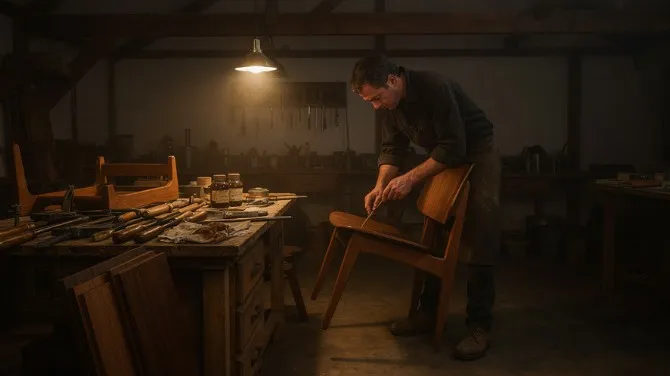

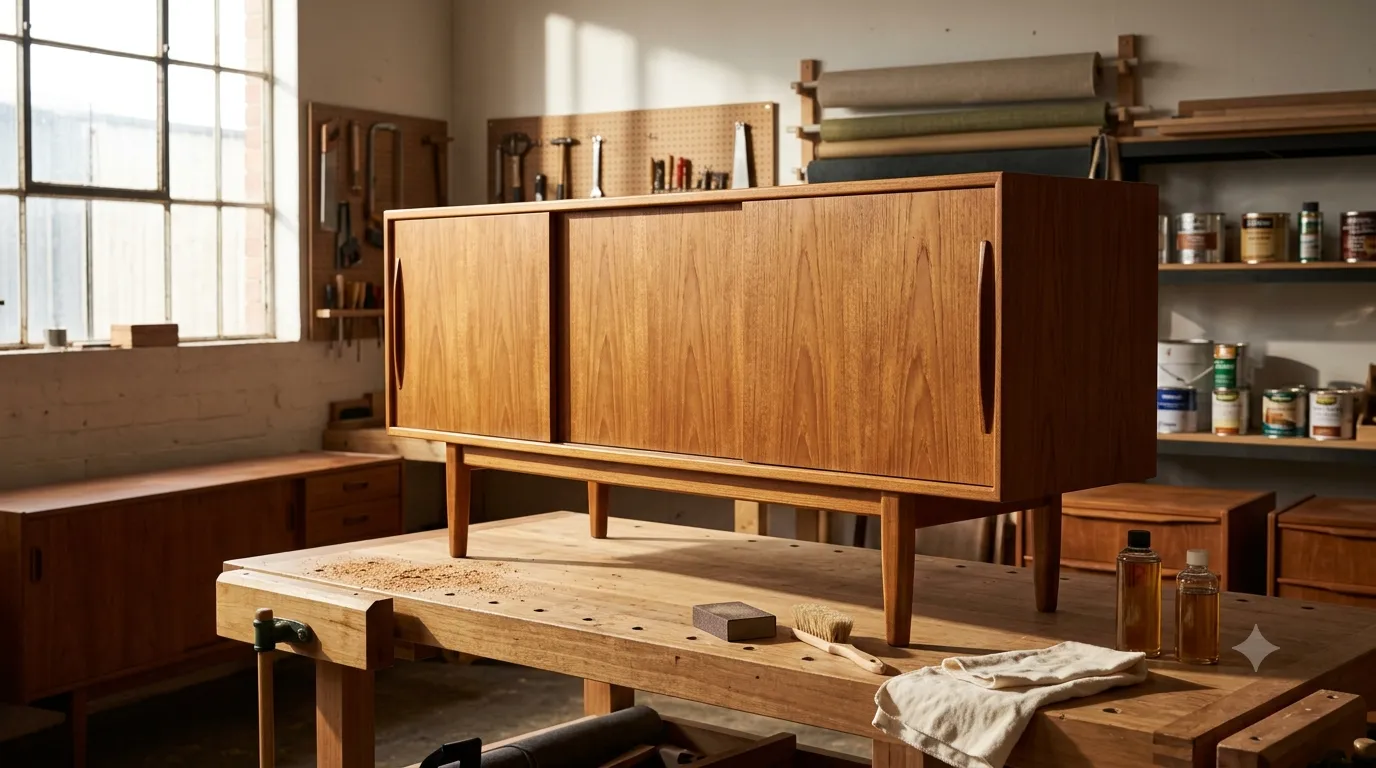
Mid-century modern furniture is admired for its clean lines, practical design, and natural timber beauty. From teak sideboards and walnut cabinets to dining tables and occasional chairs, these pieces were designed to let quality materials speak for themselves. However, the right finish plays an important role in protecting the timber while preserving its original character.
When restoring or maintaining vintage furniture, choosing a suitable finish requires more than simply selecting a product that creates a glossy surface. The timber species, existing coating, age, condition, intended use, and desired appearance all need to be considered. Understanding these factors makes it easier to achieve a durable result that respects the furniture's original design.
Why the Finish Matters in Mid-Century Furniture
A furniture finish serves several purposes. It can protect timber from moisture, everyday handling, stains, sunlight, and minor surface damage while enhancing the natural grain. For vintage furniture, however, the finish also contributes to its visual character.
Many mid-century pieces were originally finished with understated coatings that allowed timber grain and colour variation to remain visible. Applying an overly thick, glossy, or modern-looking coating can change the appearance of an otherwise authentic piece.
During finishing mid-century furniture, the objective should therefore be to balance protection with preservation. A suitable finish should complement the timber rather than hide it.
This is particularly important when working with valuable vintage pieces. Removing an original finish unnecessarily can affect the furniture's character and, in some cases, its historical value.
Consider the Type of Timber First
Different timbers respond differently to finishing products. Identifying the wood is therefore an important first step before beginning restoration work.
Teak is particularly common in mid-century furniture. Its natural oils and distinctive grain often look best when enhanced with a finish that provides protection without creating an artificial appearance. Walnut, another popular timber, has rich colour variations that can be enhanced with a suitable low-sheen finish.
Oak, rosewood, and other hardwoods may also appear in mid-century designs. Each species has different characteristics, including porosity, natural oils, grain structure, and colour.
Before selecting a finish, examine an inconspicuous area of the furniture. Testing helps determine how the product interacts with the existing timber and whether the resulting colour and sheen are appropriate.
Common Finish Options for Vintage Furniture
There are several finishes commonly considered for vintage wooden furniture, and each has advantages and limitations.
Oil finishes can penetrate the timber and enhance the natural grain. They often produce a warm, relatively natural appearance and can be appropriate for pieces where maintaining a tactile timber feel is important. However, some oils require regular maintenance and may offer less surface protection than harder coatings.
Wax finishes can provide a soft sheen and pleasant feel. They are useful for adding a final layer of protection and enhancing an already well-prepared surface. Wax alone, however, may not provide sufficient durability for furniture exposed to heavy everyday use.
Varnishes and clear coatings generally provide stronger surface protection against moisture, scratches, and wear. They can be suitable for tables and other frequently used furniture, but the level of sheen should be considered carefully. A very glossy coating may look inconsistent with the understated aesthetic associated with many mid-century designs.
Shellac is another traditional furniture finish. It can create an attractive warm appearance and is particularly relevant when restoring period furniture. Because it has specific application and durability characteristics, it should be selected according to the furniture's intended use and existing finish.
How to Choose the Best Finish for Mid-Century Modern Furniture
There is no single product that is automatically the best finish for mid-century modern furniture. The appropriate choice depends on the individual piece.
Start by asking how the furniture will be used. A decorative sideboard may require different protection from a dining table that receives daily meals, spills, and cleaning. Furniture used frequently generally benefits from a finish capable of handling greater levels of wear.
Next, consider the desired appearance. If the goal is to preserve a natural, understated look, a low-sheen finish may be more appropriate than a high-gloss coating. The colour of the timber should also be considered because some finishes can deepen or slightly alter its appearance.
The existing finish is equally important. If the original coating remains stable and attractive, complete removal may not be necessary. Restoration can sometimes involve careful cleaning, minor repairs, surface preparation, and rejuvenation rather than stripping the furniture completely.
These considerations form an important part of selecting suitable mid-century furniture restoration finishes.
Restoration Should Preserve Character, Not Erase It
One of the biggest mistakes in vintage furniture restoration is treating every piece as though it were new timber. Mid-century furniture often has decades of history in its surface, including subtle colour changes and signs of age.
That does not mean damaged furniture should be left untreated. Instead, restoration should focus on addressing genuine problems while retaining desirable characteristics.
Before refinishing, inspect the furniture for loose joints, veneer damage, scratches, water marks, stains, and structural issues. These problems should be addressed before applying the final finish. Applying a new coating over poorly prepared timber can trap imperfections and make future restoration more difficult.
Professional restoration also requires careful preparation. Cleaning, sanding, repairing, and colour matching should be carried out progressively rather than aggressively. Excessive sanding can remove veneer or alter crisp edges that are important to the original design.
Maintaining the Finish After Restoration
Once the appropriate finish has been applied, regular maintenance can significantly extend the life of restored furniture.
Keep timber furniture away from prolonged direct sunlight where possible, as ultraviolet exposure can gradually alter colour. Use coasters, placemats, and protective pads on surfaces that experience regular use. Spills should be wiped promptly rather than allowed to sit on the timber.
Avoid harsh household cleaners unless the finish manufacturer specifically recommends them. Excessive moisture can also cause problems, particularly around veneer edges, joints, and areas where timber movement occurs.
Periodic inspection is useful too. Small scratches, dull patches, or minor finish deterioration are easier to address before they develop into larger restoration problems.
Ultimately, the right finish should make a mid-century piece look naturally beautiful while providing practical protection for years to come. Whether working with teak, walnut, oak, or another period timber, careful product selection and preparation are essential.
For vintage furniture, restoration is not simply about making an old piece look new. It is about protecting its materials, preserving its design, and allowing its original character to remain visible.
















Sign in to leave a comment.