 A shipment travelling from Auckland to Christchurch can follow different routes, each with its own costs, schedules and handling requirements. For businesses moving products regularly between regions, the transport method they choose can influence inventory availability, delivery reliability and overall supply chain expenses.
New Zealand Trucking Companies provide essential road freight services connecting businesses, warehouses and distribution centres. Meanwhile, Coastal Shipping NZ offers an alternative for suitable cargo moving between domestic ports. Understanding when to use each option helps businesses develop a more practical nationwide freight strategy.
Road Freight Offers Flexibility for Different Delivery Needs
Road transportation plays a central role in New Zealand's commercial distribution network. Trucks connect manufacturing facilities, warehouses, retailers and customer locations without requiring every shipment to pass through a port.
For businesses managing frequent deliveries, road freight offers flexibility in collection arrangements, delivery destinations and shipment sizes.
It can be particularly suitable for:
- Time-sensitive deliveries: Goods requiring relatively direct transportation.
- Regional distribution: Shipments moving between nearby cities or commercial centres.
- Mixed freight: Different products transported according to available vehicle capacity.
- Specialised loads: Machinery, construction materials and oversized goods requiring appropriate vehicles.
- Regular replenishment: Businesses supplying retail outlets or distribution facilities on scheduled routes.
However, longer-distance transportation can involve additional costs, particularly when large freight volumes must travel between islands.
Where Coastal Shipping Becomes a Practical Alternative
Coastal shipping involves moving cargo by sea between New Zealand ports. It can be suitable for businesses transporting larger consignments where delivery schedules allow for planned vessel movements.
Unlike direct trucking, coastal freight requires coordination between port operations, sailing schedules and inland transportation.
For example, a business distributing products from Auckland to Christchurch may arrange road transport to the departure port, move goods by sea and organise another vehicle for final delivery.
This approach can work well for predictable inventory replenishment, bulk commercial shipments and suitable palletised freight.
However, businesses must consider vessel availability, terminal handling charges and total transit time before selecting this option.
Comparing Freight Costs Beyond the Initial Quote
The lowest quoted transport rate does not always represent the lowest overall logistics cost.
Businesses comparing road and sea freight should examine the complete journey.
Important considerations include:
Collection and delivery costs: Coastal freight generally requires additional road transportation between ports and commercial facilities.
Cargo handling: Loading, unloading and transferring goods can create additional expenses.
Transit requirements: Longer delivery times may affect inventory planning and stock availability.
Shipment volume: Larger consignments may offer different cost efficiencies compared with smaller, urgent deliveries.
Storage requirements: Goods arriving before their scheduled distribution date may require temporary warehousing.
Reviewing these factors helps businesses compare freight options based on actual operational requirements.
Can Road and Sea Transport Work Together?
Businesses do not necessarily need to choose one transport method exclusively.
A multimodal freight strategy combines different transportation methods to move cargo through a coordinated distribution network.
For example, regular inventory shipments may travel through Coastal Shipping NZ, while urgent replenishment orders move by road.
This approach allows businesses to select transport methods according to shipment urgency, volume and destination.
Successful multimodal planning requires communication between freight coordinators, port operators, warehouse teams and delivery providers.
The Importance of Reliable Freight Scheduling
Transport schedules influence warehouse operations, customer commitments and inventory management.
Unexpected delays can affect businesses when goods are needed for manufacturing, retail replenishment or scheduled projects.
Before arranging nationwide freight, companies should confirm collection windows, expected transit periods, delivery requirements and any special cargo handling instructions.
Businesses using coastal shipping should also account for vessel cut-off times and potential schedule changes.
Clear communication and realistic delivery planning help reduce avoidable disruptions throughout the distribution process.
How RPC Logistics Supports Nationwide Freight Movements
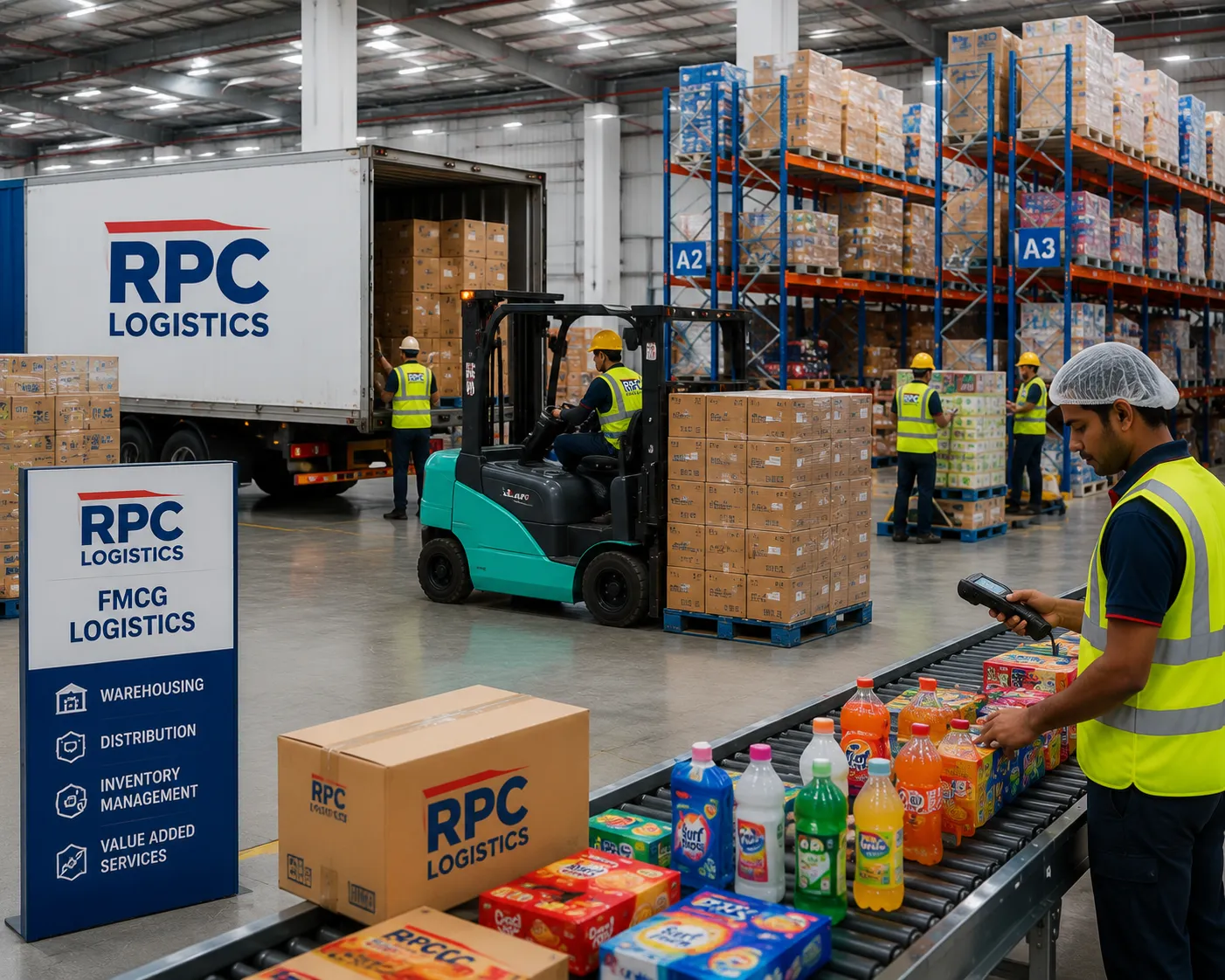
RPC Logistics provides road transport, coastal shipping coordination, managed warehousing and nationwide distribution services across New Zealand.
Its service capabilities support businesses requiring coordinated freight movements between Auckland, Christchurch and other destinations.
By connecting road transportation with coastal shipping arrangements, RPC Logistics can help businesses plan suitable collection, port handling and final delivery activities.
Its additional warehousing and distribution services can also support businesses managing inventory before or after transportation.
The most appropriate arrangement depends on shipment characteristics, delivery expectations and operational requirements.
 Building a Freight Strategy That Fits Business Demand
Every shipment has different priorities. Some require fast delivery, while others benefit from cost-efficient transportation over longer distances.
Comparing the flexibility of road freight with the potential advantages of coastal shipping allows businesses to make more informed logistics decisions.
For companies evaluating New Zealand Trucking Companies, access to suitable road transport and coastal freight coordination can support a more adaptable supply chain.
By planning freight movements around actual delivery needs, businesses can improve distribution efficiency and maintain greater control over their nationwide logistics operations.


























Sign in to leave a comment.