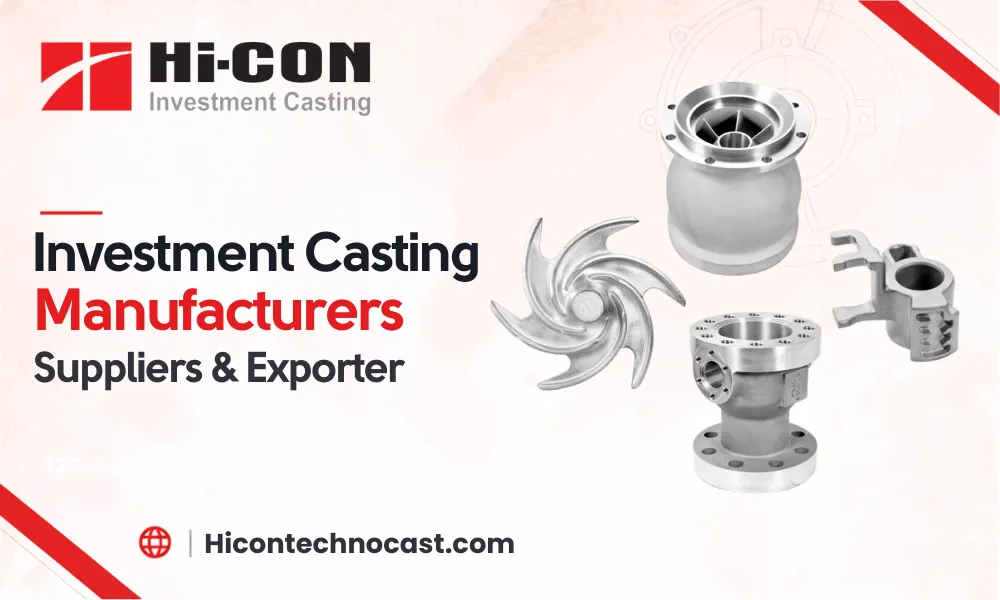

International industrial projects often depend on suppliers that can deliver precision components consistently, meet technical specifications, and maintain reliable production schedules. When complex metal parts are required, investment casting is one of the most effective manufacturing processes available. It can produce intricate geometries, smooth surfaces, tight dimensional tolerances, and components with reduced machining requirements.
However, selecting the right casting partner is not simply about comparing prices. International buyers need to evaluate manufacturing capabilities, material expertise, quality systems, production capacity, export experience, communication, packaging, and delivery performance. A dependable investment casting partner can contribute significantly to the overall success of an industrial project, while the wrong supplier may create delays, quality problems, and additional costs.
Understanding the Requirements of Your Project
Before selecting a supplier, buyers should clearly define their component requirements. These may include the material grade, component dimensions, weight, dimensional tolerances, surface finish, quantity, application, inspection requirements, and expected delivery schedule.
Different industries may require different casting characteristics. Components used in pumps, valves, engineering equipment, automotive systems, food-processing machinery, and industrial assemblies can have very different technical requirements. Therefore, an exporter should have the ability to understand engineering drawings, specifications, and application-related requirements before beginning production.
A supplier that asks detailed questions during the initial discussion is often better positioned to identify potential manufacturing challenges and recommend a suitable casting approach.
Evaluate Manufacturing Capabilities
Manufacturing capability is one of the most important factors when selecting an international casting partner. Buyers should examine whether the company has suitable facilities, experienced technical personnel, quality inspection systems, and production processes for the required components.
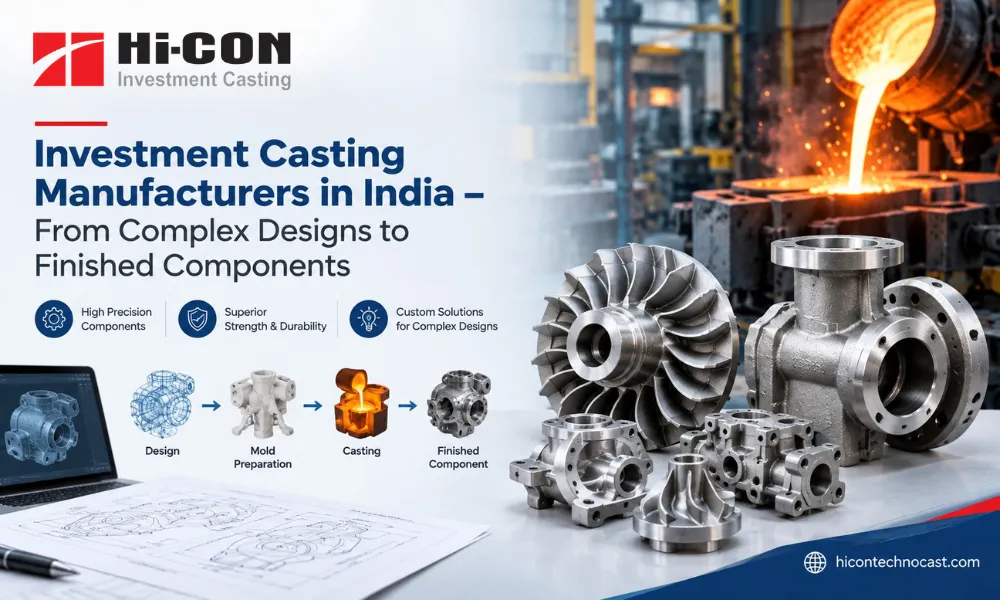
Experienced Investment Casting Manufacturers generally offer a complete production process covering pattern development, wax injection, ceramic shell formation, casting, heat treatment, finishing, inspection, and machining where required. Having these capabilities under controlled production conditions can help reduce communication gaps and improve consistency.
It is also important to determine whether the supplier can handle both prototype requirements and larger production quantities. A manufacturer with scalable production capabilities can become a long-term partner as the customer's requirements increase.
Check Material and Product Expertise
Material selection directly affects the performance and service life of investment cast components. Depending on the application, buyers may require stainless steel, carbon steel, alloy steel, heat-resistant alloys, or other engineering materials.
A capable supplier should understand material specifications and be able to provide appropriate documentation and testing when required. Buyers should ask about chemical composition verification, mechanical testing, heat treatment, hardness testing, dimensional inspection, and other quality checks relevant to the application.
Product experience is equally important. A supplier familiar with similar components can better understand casting challenges, wall thickness requirements, dimensional control, and finishing expectations. This experience can help prevent unnecessary design modifications and production problems.
Assess Quality Control Systems
Quality assurance is essential when components are being supplied for international projects. Even a small dimensional or material issue can cause assembly problems, production downtime, or costly replacements.
Reliable Investment Casting Suppliers should have defined inspection procedures throughout the manufacturing process rather than relying only on final inspection. Quality checks may be performed at different stages, including wax patterns, ceramic shells, casting dimensions, surface conditions, heat treatment, machining, and final inspection.
Buyers should also understand what inspection reports and certificates can be supplied with the shipment. Depending on the project, documentation may include material test certificates, dimensional inspection reports, hardness reports, chemical analysis, and other quality records.
Consider Export and International Logistics Experience
Producing a high-quality component is only part of an international supply relationship. The supplier must also understand export procedures, documentation, packaging requirements, shipping coordination, and international delivery schedules.
An experienced Investment Casting Exporter should be familiar with the documentation required for overseas shipments and should communicate clearly about production and dispatch timelines. Proper packaging is particularly important for metal components because castings may be exposed to moisture, handling, vibration, and long-distance transportation.
Buyers should discuss packaging methods, labeling, shipment quantities, inspection requirements, and delivery terms before confirming the order. Clear planning at this stage can minimize logistical problems later.
Compare Pricing Beyond the Initial Quotation
Price is naturally an important consideration, but the lowest quotation is not always the most economical option. Buyers should evaluate the total cost of ownership, including casting quality, machining requirements, rejection rates, packaging, shipping, inspection, and potential production delays.
An experienced supplier may offer a slightly higher initial price while providing better dimensional accuracy, consistent quality, and fewer rejected components. Over the course of a large international project, these factors can have a significant financial impact.
It is useful to request a detailed quotation that clearly identifies material, tooling, casting, machining, finishing, inspection, packaging, and transportation-related costs. This makes comparisons between suppliers more meaningful.
Review Communication and Technical Support
Communication plays a major role in successful international manufacturing relationships. Differences in time zones, technical terminology, specifications, and documentation can create challenges if communication is not handled properly.
A professional supplier should respond clearly to technical questions and provide updates during important stages of production. Technical discussions should cover drawings, tolerances, material requirements, quality standards, packaging, and delivery schedules.
Good communication is especially valuable when design changes or unexpected casting issues arise. A supplier that communicates early can help the customer make informed decisions instead of discovering problems after production has been completed.
Look for Long-Term Partnership Potential
International buyers should consider whether a supplier can support their future requirements rather than focusing only on one purchase order. Consistent quality, dependable lead times, competitive pricing, and technical support are all important characteristics of a long-term manufacturing relationship.
A reliable Investment Casting Foundry can support customers across different stages of product development, from prototype casting and sample approval to regular production and larger-volume orders.
Long-term partnerships can also make future projects more efficient because the supplier becomes familiar with the customer's specifications, inspection standards, packaging preferences, and documentation requirements.
Ask the Right Questions Before Final Selection
Before choosing a supplier, international buyers should evaluate several practical points. These include production capacity, available materials, quality control procedures, tooling capabilities, inspection facilities, previous export experience, packaging methods, production lead times, and technical support.
It is also useful to review samples, drawings, inspection reports, and previous project experience where appropriate. Visiting the manufacturing facility or conducting a virtual factory assessment can provide additional confidence in the supplier's capabilities.
A structured evaluation process helps buyers compare suppliers based on overall value instead of focusing only on the quoted unit price.
Final Thoughts
Choosing the right investment casting partner is an important decision for any international industrial project. Manufacturing expertise, material knowledge, quality control, export experience, communication, logistics, and long-term reliability should all be considered before placing an order.
The ideal supplier should not simply manufacture components but should work as a dependable technical and production partner. By carefully evaluating capabilities, quality systems, documentation, pricing, and international delivery experience, buyers can reduce project risks and build a stronger supply chain for precision investment cast components.

















Sign in to leave a comment.