Choosing the Right Privacy Hedge Plants for Your Yard

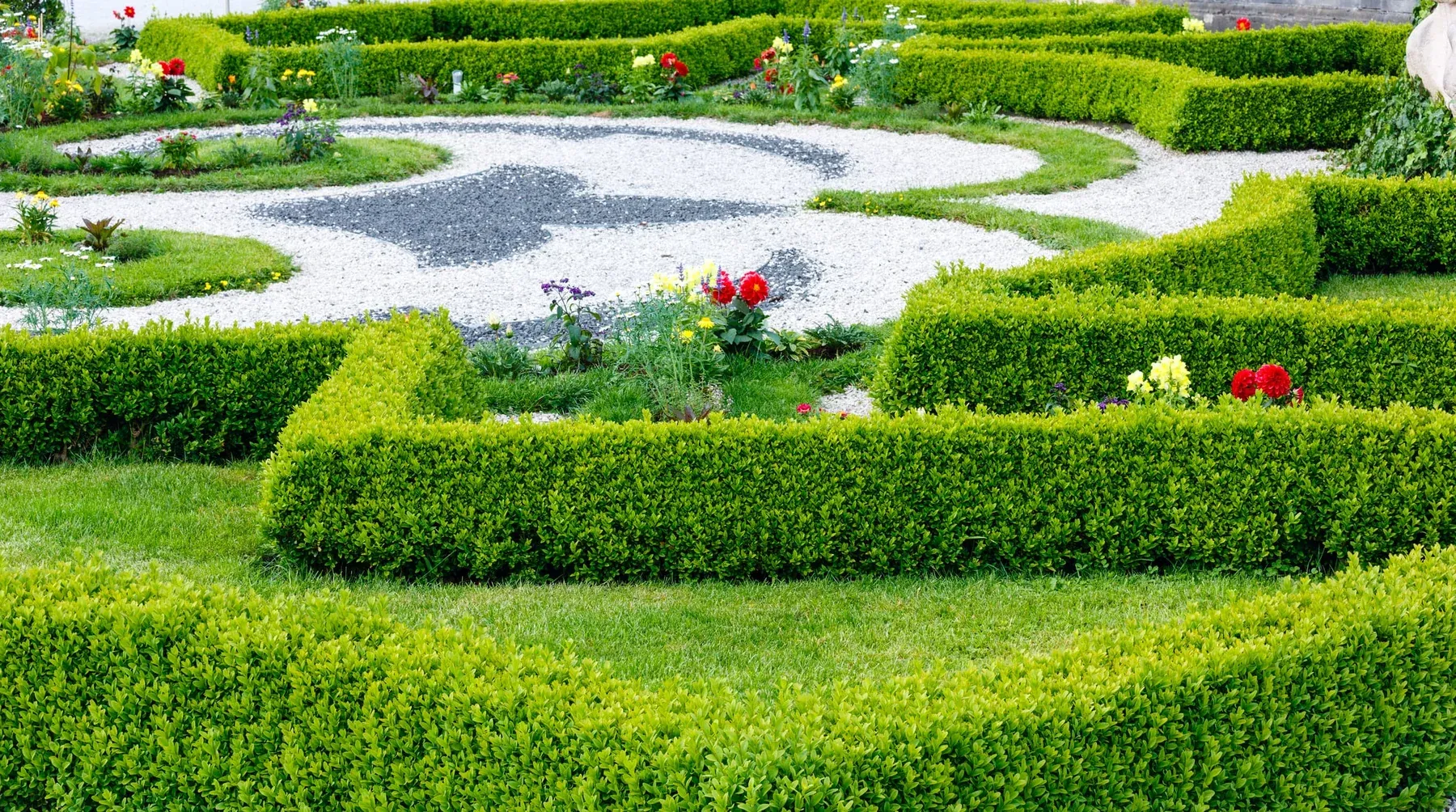
Homeowners looking to create a natural barrier between their property and the outside world often turn to landscaping solutions that offer both function and visual appeal. Privacy hedge plants have become a popular choice for exactly this reason, providing year-round screening while also adding structure and greenery to a yard's overall design. Unlike fences or walls, a well-chosen hedge can soften a property's boundary while still delivering the seclusion many homeowners are after, making it worth understanding what factors actually determine how well a hedge performs over time.
Growth Rate and Mature Height Matter
Not all hedging plants grow at the same pace, and this difference significantly affects how quickly a yard achieves meaningful privacy. Fast-growing varieties can establish a solid screen within a few growing seasons, while slower species may take considerably longer to reach a comparable height. When selecting privacy hedge plants, homeowners should also consider mature height and width, since a hedge planted too close to a fence or walkway can eventually crowd out usable space if its full-grown size isn't accounted for during the initial planning stage.
Evergreen vs. Deciduous Screening Options
One of the most important decisions in hedge selection is whether to choose evergreen or deciduous plants, since this determines whether privacy holds up through winter months. Evergreen options maintain their foliage year-round, offering consistent screening regardless of season, which makes them the preferred choice for homeowners who want uninterrupted privacy. Deciduous varieties, by contrast, lose their leaves seasonally, which can leave gaps in coverage during colder months even if they offer denser growth or faster establishment during the warmer parts of the year.
Soil and Climate Considerations
Before committing to any hedging plant, it's worth evaluating how well a species suits local soil conditions and climate patterns, since mismatched plants often struggle regardless of how well they're maintained. Some varieties tolerate a wide range of soil types and drought conditions, while others require consistent moisture and specific pH levels to thrive. Understanding these requirements ahead of planting helps prevent the frustration of watching a hedge decline slowly over several seasons due to conditions it simply wasn't suited for from the start.
A Popular Choice Worth Considering
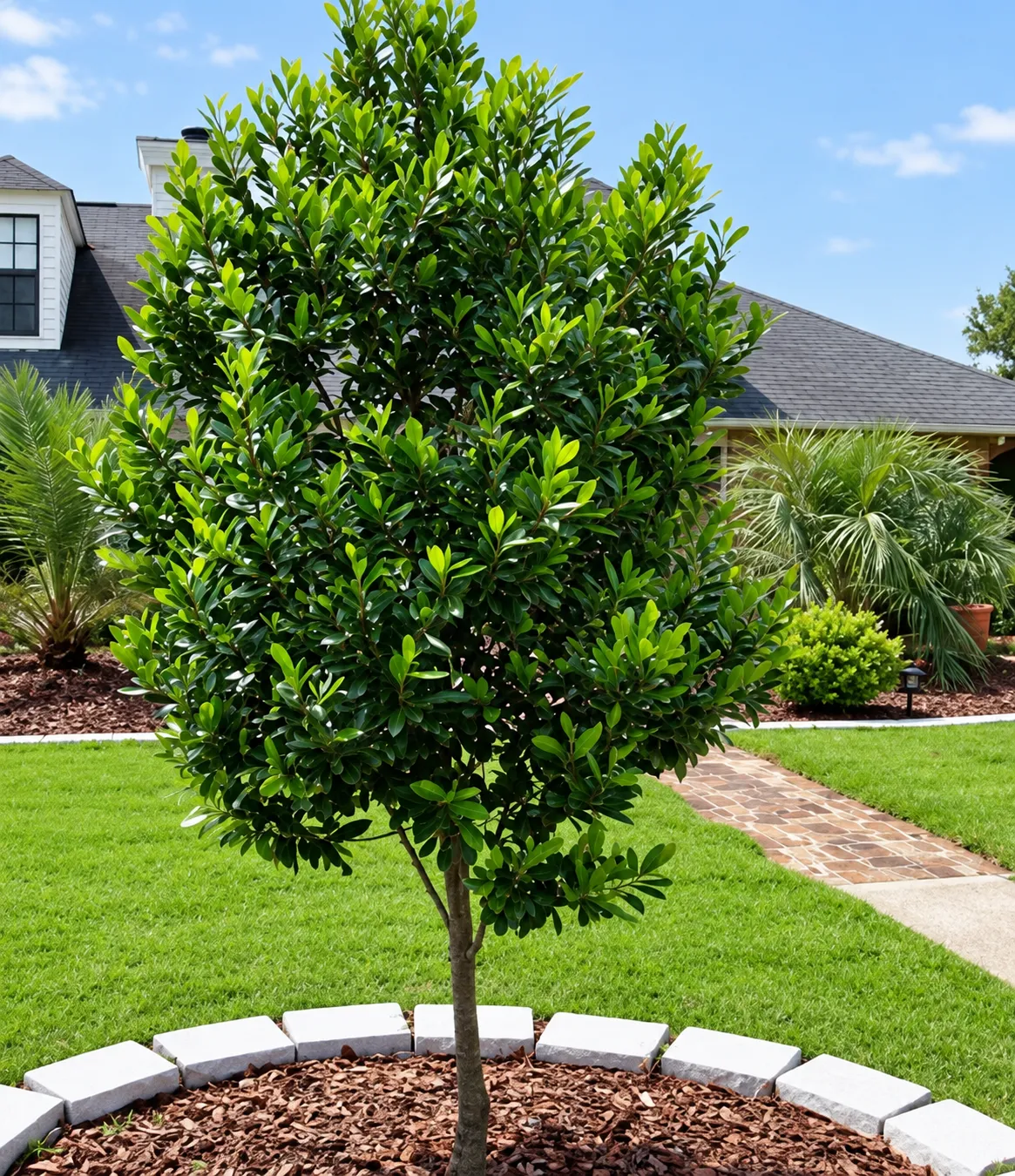
Among the many options available, Ligustrum stands out as a reliable choice for homeowners seeking dense, glossy foliage combined with a relatively fast growth rate. This variety tolerates a range of soil conditions and responds well to regular pruning, making it adaptable to different hedge shapes and heights depending on a homeowner's specific privacy needs. Its ability to establish quickly while maintaining attractive, year-round greenery has made it a frequently recommended option among landscapers working on residential screening projects.
Spacing and Planting Best Practices
Proper spacing plays a major role in how quickly a hedge fills in and how healthy it remains long-term. Planting too closely can lead to overcrowding, restricted airflow, and increased susceptibility to disease, while spacing plants too far apart delays the formation of a continuous privacy screen. Most privacy hedge plants perform best when planted according to their specific mature width, with slight adjustments made based on how quickly a homeowner wants full coverage versus how much initial cost they're willing to invest in more plants upfront.
Maintenance Expectations Over Time
Even low-maintenance hedge varieties require some ongoing care to maintain their shape and density. Regular pruning encourages fuller growth and prevents legginess, while periodic fertilization supports healthy foliage color and overall vigor. Understanding these maintenance expectations before planting helps homeowners choose a variety that realistically fits their available time and gardening commitment, rather than ending up with a hedge that looks unkempt within a season or two.
Conclusion
Selecting the right hedge comes down to balancing growth rate, mature size, and maintenance needs against a homeowner's specific privacy goals and climate conditions. Well-chosen privacy hedge plants can transform a yard's boundary into a lush, functional feature rather than just a dividing line. For those wanting a dependable, attractive option, wax leaf privet Ligustrum offers the density and adaptability needed to create effective screening without excessive upkeep.






Sign in to leave a comment.