

When buying a business that also owns its property, one of the most important financing decisions is how the transaction will be structured. Should you finance only the real estate, or should the business and property be purchased together?
This distinction can affect the loan amount, repayment period, monthly payment, collateral, and overall risk profile of the transaction. For buyers considering an acquisition, understanding these differences before signing a purchase agreement can make the financing process much smoother.
The SBA 7(a) loan program can be used for several business purposes, including acquiring or improving real estate, refinancing business debt, working capital, and changes of ownership. The program allows eligible small businesses to obtain financing through participating lenders rather than directly from the SBA.
Why Loan Structure Matters
It is easy to assume that financing is simply about finding a lender and applying for a loan. In reality, the structure of the acquisition can influence how lenders evaluate the opportunity.
Real estate is generally viewed as a tangible asset that can be independently appraised. A business, however, is valued through factors such as cash flow, earnings, equipment, goodwill, customer relationships, and operational performance.
That means a buyer purchasing both the operating company and its property may need to address two different types of value within one transaction.
Getting the structure right early can also help buyers understand how much equity they may need and whether projected cash flow will comfortably support the debt.
What Is Real Estate-Only Financing?
A real estate-only structure focuses primarily on acquiring the property rather than purchasing the operating business at the same time.
For example, an investor may purchase a commercial property and lease it to an operating company. Another situation could involve a business owner purchasing the property separately while acquiring the operating company through another financing arrangement.
The major advantage is that the lender can place greater emphasis on the property's appraisal and the strength of the lease.
However, this approach also creates potential risks. If the property depends heavily on a particular business or specialized use, the lender may pay close attention to the tenant, lease terms, renewal options, and long-term demand for the property.
For buyers evaluating a property-heavy acquisition, understanding commercial real estate financing options can help put the transaction into perspective before negotiations become too advanced.
What Is Business + Real Estate Financing?
A combined structure involves purchasing the operating business and the real estate together.
This can make sense when the buyer plans to operate the business from the property for the long term. Instead of paying rent to a separate landlord, the buyer controls both the business and the building.
The SBA 7(a) program specifically permits financing for real estate and buildings as well as complete or partial changes of ownership, which can make it useful for qualifying acquisition transactions involving both components.
One potential benefit is stronger overall collateral. The property provides tangible security while the operating company provides the cash flow needed to service the debt.
There is also a practical advantage: the buyer does not have to worry about future lease renewals, landlord negotiations, or unexpected rent increases affecting the business.
The Importance of Purchase Price Allocation
One area buyers should not overlook is how the purchase price is divided between the real estate and the business.
The transaction may include land, buildings, equipment, inventory, goodwill, and other business assets. Each component can have different financing, accounting, tax, and valuation implications.
Because lenders review the structure of the transaction, the allocation should be supported by credible valuations rather than simply chosen to make the deal look more attractive.
A qualified CPA and experienced lender can help buyers understand the financial consequences before the purchase agreement is finalized.
Which Structure Is Better?
There is no universal answer.
Real estate-only financing may be appropriate when the buyer primarily wants the property or when the operating business is being acquired separately. A combined structure can make more sense when the buyer wants long-term control over both the company and the property.
The right choice depends on the purchase price, business cash flow, property value, lease arrangements, available equity, buyer qualifications, and lender requirements.
For buyers exploring SBA financing for business acquisitions, it is especially important to understand the complete project rather than looking at the real estate and business as unrelated pieces.
The SBA notes that eligible 7(a) borrowers generally must be operating, for-profit businesses located in the United States, meet applicable size standards, be creditworthy, and demonstrate a reasonable ability to repay the loan.
Think About Structure Before You Make an Offer
Financing should not be an afterthought. Before submitting an offer, buyers should understand whether they are purchasing the business, the property, or both—and how that decision affects the expected loan structure.
It is also worth comparing projected payments under different scenarios, reviewing the property's independent value, analyzing business cash flow, and discussing the transaction with a lender familiar with acquisition financing.
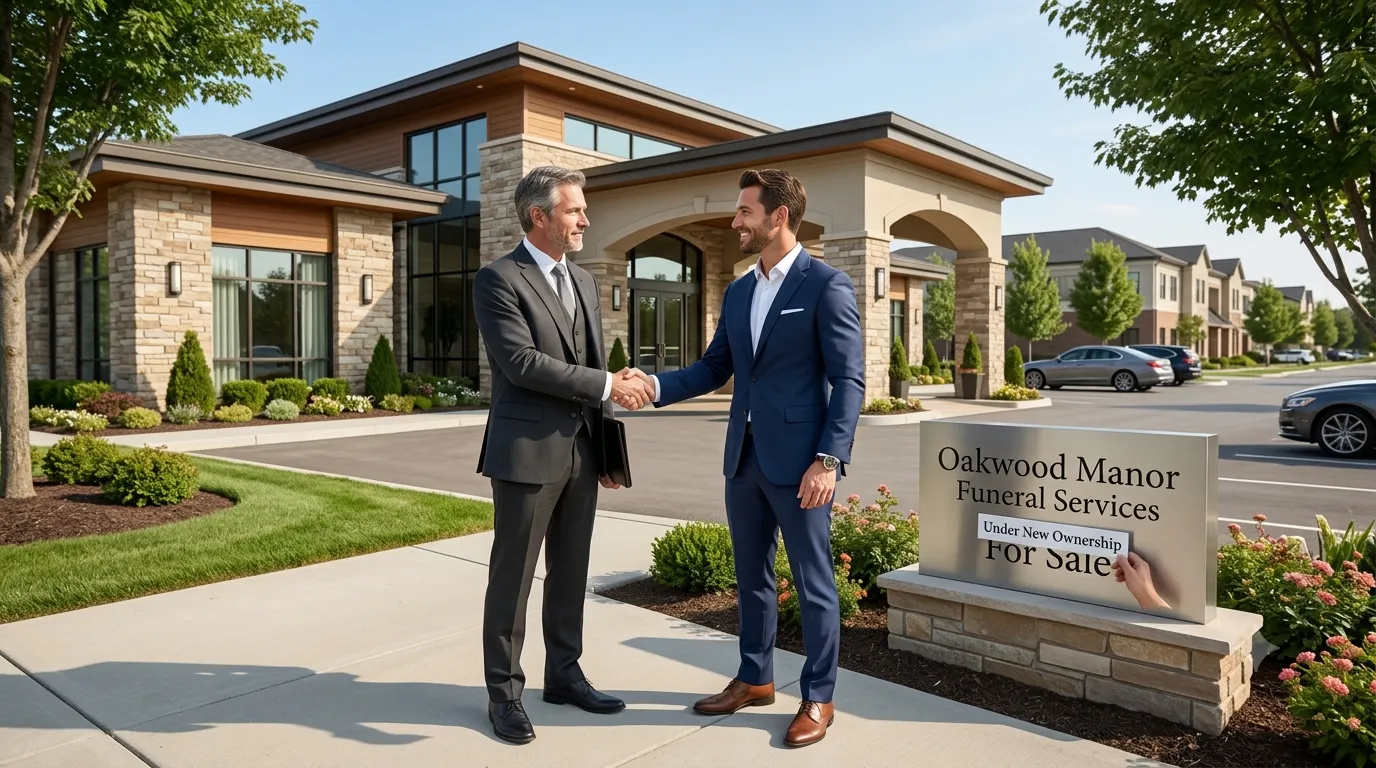
For buyers purchasing a funeral home or another specialized business, these questions can become even more important because the property and operating business may have a close relationship.
A well-planned structure can make the transaction easier to finance and help prevent surprises during underwriting.
If you are evaluating an acquisition involving both an operating business and real estate, reviewing business and real estate loan structures before signing a letter of intent can give you a clearer picture of the financing path ahead.
The goal is not simply to obtain a loan. It is to create a financing structure that supports the business's cash flow, protects the buyer's investment, and makes sense for the long-term ownership strategy.


























Sign in to leave a comment.