

Metal processing facilities depend on reliable machinery to convert wide metal coils into narrower strips that meet specific production requirements. Equipment performance can influence cutting accuracy, material quality, operating efficiency, and long term manufacturing costs. Selecting the right slitting line manufacturer is therefore an important decision for businesses seeking dependable production results. A suitable manufacturer should understand material characteristics, processing demands, equipment configurations, and operational requirements. Careful evaluation helps manufacturers identify machinery that supports consistent slitting performance, efficient material handling, and the changing needs of modern metal production.
Understanding Slitting Line Requirements
Before selecting equipment, manufacturers should identify the materials and production tasks the slitting line must handle. Important considerations include coil width, thickness, weight, material strength, and the required strip dimensions. Different applications may require specific cutting arrangements, tension control, recoiling capabilities, and material handling features. A clear understanding of these requirements helps prevent equipment selection based only on general production capacity. Manufacturers should also consider current workloads and future expansion plans. Matching machine specifications with actual operating needs creates a stronger foundation for dependable performance and efficient production.
Evaluating Equipment Quality and Design
Equipment quality directly affects production consistency, maintenance requirements, and operational reliability. A well designed slitting line should provide stable material movement, accurate blade positioning, and dependable tension control throughout the processing sequence. Machine construction, component selection, and control technology also influence long term performance. Manufacturers should review the equipment configuration and determine whether it can maintain the required tolerances across different material specifications. Exploring metal slitting machine technology can help production teams understand important equipment functions and the role of suitable machinery in achieving consistent strip quality.
Assessing Material Processing Capabilities
A slitting line must be compatible with the range of materials processed at a facility. Carbon steel, stainless steel, aluminum, and other metals have different mechanical properties that influence cutting and handling requirements. Material thickness and strength can also affect blade selection, machine capacity, and operating settings. A manufacturer should be able to explain how its equipment accommodates the intended material range. Reviewing different sheet metal and coil material types can help businesses identify the specifications that matter when comparing equipment capabilities and planning production operations.
Prioritizing Cutting Accuracy and Strip Quality
Accurate slitting is essential for producing strips that meet dimensional and quality specifications. Inconsistent blade positioning, poor alignment, or unstable material tension can result in uneven edges, dimensional variations, and unwanted surface damage. These issues may create difficulties during stamping, forming, welding, or other downstream processes. Manufacturers should evaluate how a proposed slitting line controls material movement and maintains cutting consistency. Equipment features that support precise adjustment and repeatable operation can help reduce quality variations. Consistent strip dimensions also improve material handling and support predictable results across production batches.
Reviewing Automation and Control Features
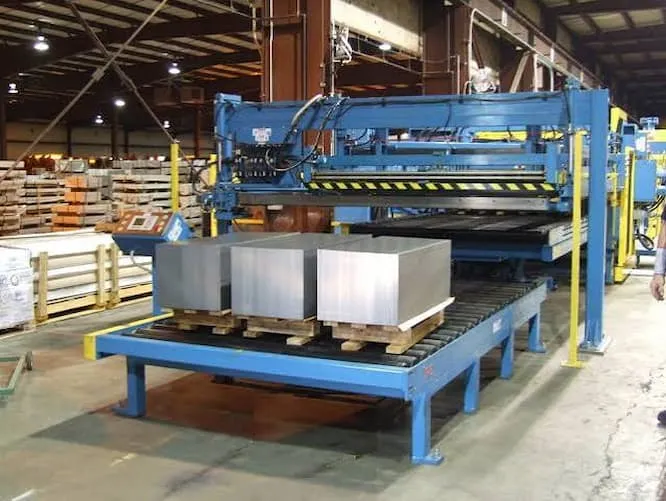
Modern slitting lines can incorporate automation to improve coordination between feeding, cutting, tension management, and recoiling operations. Suitable control systems allow operators to manage important production parameters and repeat established settings for different jobs. Automated functions may also reduce repetitive manual tasks and support more consistent operating sequences. Manufacturers should consider whether the proposed controls are suitable for their production environment and operator requirements. Reviewing automated metal processing systems can provide additional insight into how automation supports coordinated material movement and more efficient manufacturing workflows.
Considering Production Speed and Efficiency
Production speed is important, but it should be evaluated alongside cutting accuracy and material quality. A machine operating at high speed may not provide the expected benefits if it creates frequent interruptions, inconsistent strips, or excessive scrap. Manufacturers should assess the relationship between line speed, material specifications, setup requirements, and production volume. Equipment should provide a practical balance between throughput and dependable processing. Features that simplify setup and maintain stable operation can help reduce unnecessary delays. A suitable configuration supports efficient production while maintaining the quality standards required for finished slit material.
Evaluating Customization and Future Flexibility
Manufacturing requirements can change as businesses introduce new products, process different materials, or increase production capacity. Equipment flexibility can therefore influence the long term value of a slitting line. A suitable manufacturer should understand whether the proposed system can accommodate different coil dimensions, strip widths, and operating requirements. Customization may involve machine layout, material handling arrangements, control features, or other application specific components. Businesses should discuss both current needs and realistic future requirements before finalizing a configuration. This approach can help avoid equipment limitations as production demands evolve.
Reviewing Maintenance and Technical Support
Reliable technical support is an important consideration when comparing equipment manufacturers. Even well designed machinery requires regular inspection, maintenance, and occasional adjustments to maintain consistent performance. Manufacturers should provide clear information about maintenance requirements, replacement components, troubleshooting procedures, and technical assistance. Access to suitable support can help reduce extended downtime when equipment problems occur. Businesses should also consider operator training and the availability of technical documentation. Understanding the expected service requirements before purchasing equipment helps facilities plan maintenance activities and maintain dependable production schedules.
Comparing Safety and Material Handling Features
Safety should remain an important part of equipment evaluation. Slitting operations involve heavy coils, rotating components, sharp cutting tools, and moving material, making suitable protection and operating procedures essential. Manufacturers should explain the safety features incorporated into the equipment and the procedures required for safe operation. Material loading, coil movement, threading, and unloading should also be considered during the evaluation process. Reviewing metal processing equipment safety practices can help facilities identify important considerations related to machine guarding, operator training, and safe material handling.
Making an Informed Manufacturer Selection
Choosing a slitting line supplier requires more than comparing purchase prices or advertised production speeds. Businesses should evaluate equipment specifications, material compatibility, cutting accuracy, automation, maintenance requirements, and technical support together. Reviewing these factors helps manufacturers understand the overall suitability of each proposed system. Production teams should also consider installation requirements, available floor space, operator capabilities, and future manufacturing goals. A detailed assessment can reduce the risk of selecting equipment that does not meet actual operating demands. The right decision supports dependable processing and more consistent manufacturing results.
Conclusion
Selecting the right slitting line manufacturer can influence cutting accuracy, material quality, production efficiency, and long term equipment reliability. Manufacturers should carefully evaluate machine design, material compatibility, automation, safety features, customization options, and technical support before making a decision. A system suited to actual production requirements can help reduce processing difficulties and maintain consistent strip quality. Careful planning also supports better equipment utilization as manufacturing needs change. Advanced metal processing solutions from Red Bud Industries can support manufacturers seeking reliable slitting performance and efficient coil processing operations.






















Sign in to leave a comment.