

Choosing the right Locker Management Software is one of the most important decisions for any UAE business planning to modernise storage, staff access, parcel handling or visitor services. A modern Smart Locker System replaces keys, paper logs and manual supervision with secure, trackable and automated access.
This guide explains what the software layer really does, which features matter most, how to compare vendors, and how to avoid the mistakes that slow down deployments. It is written for facility managers, retail operators, property developers, IT heads and procurement teams across the Emirates who want a dependable decision framework rather than a sales pitch.

Understanding the Locker System Landscape in the UAE
Physical lockers have existed for decades, but the intelligence behind them has changed completely. Today the cabinet is only the visible part of the solution. The real value sits in the cloud-based platform that assigns compartments, verifies identities, records every opening and closing event, and sends alerts to administrators. Without strong software, even the most expensive hardware behaves like an ordinary steel cabinet.
Why Demand Is Rising Across Dubai, Abu Dhabi and Sharjah
The UAE continues to invest in smart city programmes, contactless services and digital customer journeys. Dubai Smart City initiatives, the growth of e commerce, hybrid workplaces and high footfall retail destinations have created a clear need for self-service storage and secure item exchange. Businesses want fewer manual touchpoints, faster service and verifiable audit trails, and software is what delivers those outcomes.
What Management Software Actually Does
A capable platform manages four core responsibilities. It controls who can open which compartment and when. It tracks the status of every unit in real time, including availability, usage duration and faults. It produces reports on occupancy, peak hours and exceptions. It also connects with other business systems such as access control, visitor management, ERP, HR and delivery platforms through secure APIs. When these four responsibilities work together, the organisation gains control, transparency and measurable efficiency.
Core Features to Evaluate Before You Buy
Authentication and Access Methods
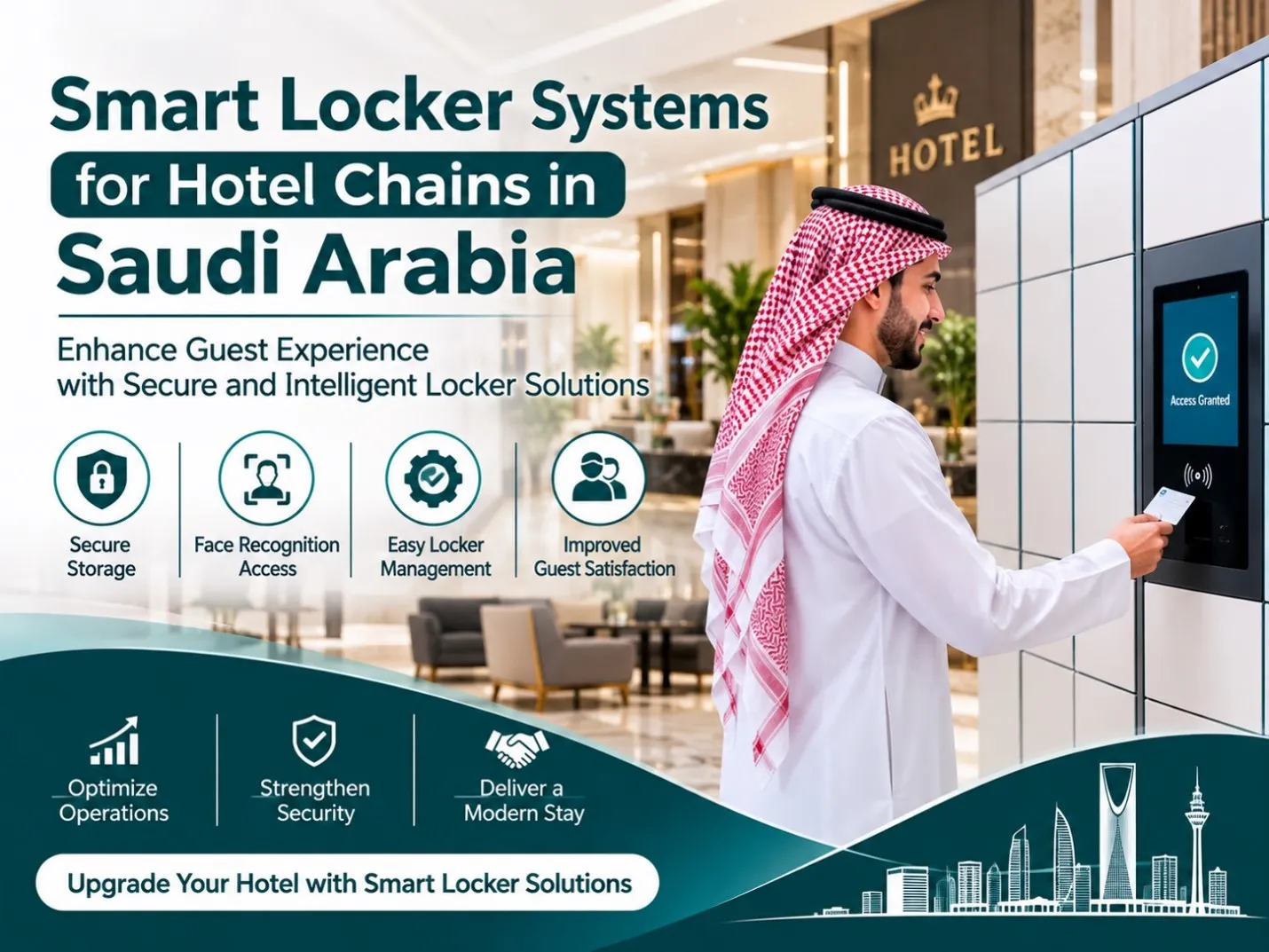
Modern users expect more than a four-digit code. Look for support for QR codes, RFID cards, NFC, mobile app credentials, one-time passwords and biometrics. Among these options, Face Recognition Locker Access is gaining strong traction in the UAE because it is contactless, fast and difficult to share or forge. It suits airports, premium offices, hospitals and residential towers where hygiene and identity assurance are priorities. Whatever method you choose, the software should allow different authentication rules for different user groups, such as employees, contractors, couriers and guests.
Cloud Dashboard and Real Time Analytics
A central dashboard lets administrators monitor multiple sites from one screen. Useful analytics include utilisation rates, average storage time, overdue items, failed login attempts and maintenance requests. These insights help operations teams right size their installations, adjust staffing and justify further investment with real data.
Integration, APIs and Scalability
Your needs will change. A pilot installation in one building may become a rollout across ten branches or several emirates. Ask whether the platform supports multi-site management, role-based permissions, open APIs and webhooks, and whether adding new units requires configuration or a complete redesign. Software that scales smoothly protects your original investment.
Hardware Compatibility and Offline Resilience
Internet connectivity can fluctuate in basements, car parks and large venues. The best platforms continue to authorise valid users locally and synchronise records once the connection returns. Confirm that the software works with different cabinet sizes, locking mechanisms, sensors and screens so that you are never locked into a single hardware configuration.
Industry Use Cases That Shape Software Requirements
Shopping Centres and Retail Destinations
Large retail destinations need flexible storage for shoppers, click and collect orders, tourist luggage and tenant staff belongings. A well configured Smart Locker for Malls reduces queues at customer service desks, increases dwell time and creates a convenient pickup point for online orders. The software must handle high transaction volumes, time-based billing, multilingual screens in Arabic and English, and clear receipts for users.
Corporate Offices and Co Working Spaces
In hybrid workplaces, employees share desks and need a secure place for laptops and personal items. Software that links locker assignment to desk booking or HR systems saves administrative time and keeps records accurate when staff join or leave.
Healthcare, Education and Logistics
Hospitals use secure compartments for medicines, samples and staff belongings. Universities use them for devices and library items. Logistics and last mile delivery companies use parcel terminals to cut failed delivery attempts. Each environment demands strict traceability, which is why audit logs and exportable reports should be standard features rather than paid extras.
Security, Compliance and Trust Signals
Security should be examined at both the physical and digital level. On the software side, verify encryption of data in transit and at rest, regular security updates, role-based administrator access and full event logging. Because many deployments handle personal data and biometric templates, the vendor should be able to explain how its approach aligns with the UAE Personal Data Protection Law (Federal Decree Law No. 45 of 2021) and any emirate level data requirements. Ask whether data can be hosted in the UAE and whether the vendor follows recognised information security practices such as those described in ISO/IEC 27001.
Trust also comes from evidence. Request references from similar projects, ask for a live demonstration on real devices, and review the support model, including response times, spare parts availability and onsite service coverage in your city. A vendor that answers these questions clearly and in writing is usually one that has delivered real projects before.
A Practical Vendor Evaluation Checklist
Questions to Ask During Demonstrations
Start with usability. Can an administrator create a user, assign a compartment and review an access log in a few minutes without training? Next, test resilience by simulating a network failure. Then review reporting by asking for sample dashboards. Finally, confirm how firmware and software updates are delivered and whether they cause downtime. Practical tests reveal far more than brochures.
Understanding Total Cost of Ownership
Compare more than the purchase price. Consider licensing models, per unit subscription fees, installation, training, maintenance contracts, integration work and upgrade policies. A reliable Digital Locker System from a provider that offers transparent pricing and long-term support often costs less over five years than a cheaper option with hidden charges and limited service.
Implementation Roadmap for a Smooth Rollout
A successful project follows a clear sequence. Begin with a site survey that maps foot traffic, power points, network coverage and user groups. Define access rules and naming conventions before configuration starts, so that every department understands who owns which compartments. Run a pilot on a limited number of units, collect feedback from real users and refine screens, notification messages and policies. Only then scale to additional floors, branches or emirates.
Training is equally important. Administrators need to know how to reassign units, handle overdue items and export reports, while front line staff need simple instructions for assisting customers. Finally, schedule quarterly reviews of utilisation data. These reviews show where additional capacity is needed, which policies cause friction and how the platform can support new services as your business grows.
Why Local Expertise Matters: Tektronix LLC
Working with a UAE based technology partner shortens project timelines because site surveys, installation, Arabic and English interface needs, and after sales support can be handled locally. Tektronix LLC provides smart storage and access technology designed around the operating conditions of the region, including high footfall venues, extreme summer temperatures and strict security expectations. Our team approaches every project with consultation first, helping clients define user groups, access rules, integration points and rollout phases before any hardware is ordered.
If you are comparing options, you can explore the full range of smart locker solutions on our service page, review specifications, and request a tailored demonstration for your site.
Conclusion
The right software determines whether lockers become a strategic asset or an ongoing maintenance burden. A proven Electronic Locker System with flexible authentication, cloud reporting and open integrations will serve your organisation for many years. Businesses that select a platform built for local conditions will see faster deployment, stronger security and better user satisfaction. With a dependable Smart Locker System UAE provider, every compartment, user and transaction stay visible and under control.
Explore Tek Locker today to match your premises, budget and growth plans with a solution that delivers measurable results.



























Sign in to leave a comment.