

Solar lighting is becoming a practical choice for factories, warehouses, industrial parks, commercial campuses and remote roads across India. Rising electricity costs, the need for dependable outdoor lighting and growing interest in renewable energy are encouraging businesses to consider standalone solar lighting systems.
However, selecting a solar street light is not simply about choosing the highest wattage available. A good system needs to match the location, lighting requirement, pole height, battery capacity, solar panel, operating hours and local weather conditions.
Why Are Solar Street Lights Suitable for Industrial Areas?
Industrial properties often have large outdoor spaces that need lighting throughout the night. Internal roads, parking areas, loading zones, factory entrances and storage yards may require lighting even when conventional electrical infrastructure is difficult or expensive to install.
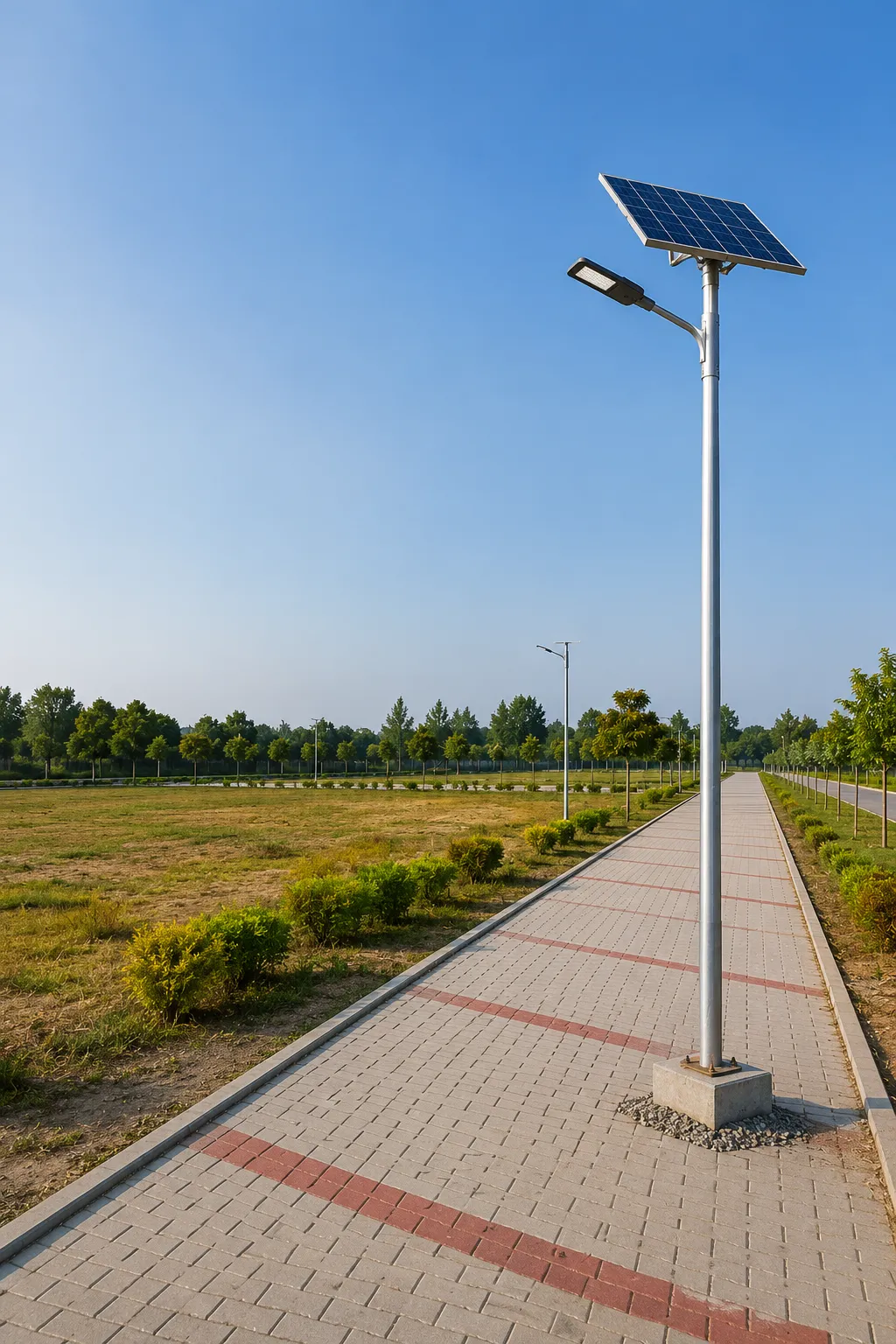
Solar street lights generate power through solar panels during the daytime and store that energy in batteries for nighttime operation. Since standalone systems do not depend completely on the electrical grid, they can be useful in locations where extending electrical connections is inconvenient.
Some of the practical benefits include:
- Reduced dependence on grid electricity
- No requirement for extensive underground electrical cabling
- Independent operation during power interruptions
- Automatic switching between day and night operation
- Flexible installation for remote outdoor areas
- Lower recurring electricity consumption
- Support for renewable energy initiatives
The actual benefits depend on system design, component quality and installation conditions.
For businesses planning a new installation or replacing conventional outdoor lights, working with an experienced Solar street light manufacturer in India can make the selection process much easier. The right technical guidance can help ensure that the lighting system is suitable for the actual site rather than being selected only on price.

What Should Businesses Consider Before Buying?
Lighting Requirements
The first step is understanding exactly where the lights will be installed. A narrow internal road, a large factory yard and a highway require different lighting arrangements.
The road width, mounting height, distance between poles and required brightness should all be considered before selecting the LED wattage. Proper planning can prevent dark spots and unnecessary expenditure on oversized systems.
Battery Capacity
The battery is a critical part of any standalone solar lighting system. It stores the energy generated during daylight hours and supplies power to the LED fixture at night.
LiFePO4 batteries are commonly considered for solar applications because of their cycle life and suitability for repeated charging and discharging. The required battery capacity should be calculated according to the LED load, operating duration and expected solar conditions.
Solar Panel Size
The solar panel must generate sufficient energy to recharge the battery. Panel capacity should therefore be matched with the LED load and battery requirements.
Weather conditions also deserve attention. Locations that experience extended periods of cloudy weather may require a carefully designed system with adequate energy reserves.
Charge Controller
The charge controller manages energy flow between the solar panel and battery. MPPT-based controllers can improve solar energy utilization under suitable operating conditions.
Protection features such as overcharge, over-discharge and short-circuit protection can also contribute to safer and more reliable operation.
Applications of Industrial Solar Street Lights
Solar street lighting can be used in many different environments.
Factory Premises
Factory roads and entrances may require lighting for employees, vehicles and security throughout different shifts. Standalone solar lights can provide lighting without requiring every installation point to be connected to the electrical grid.
Warehouses and Storage Areas
Large warehouses often have loading areas, parking spaces and perimeter roads that remain active after sunset. Appropriately positioned solar lights can improve visibility around these areas.
Industrial Parks
Industrial parks can cover significant areas, making electrical infrastructure a major consideration. Solar lighting can be useful for internal roads and open spaces where standalone installation is practical.
Remote Roads
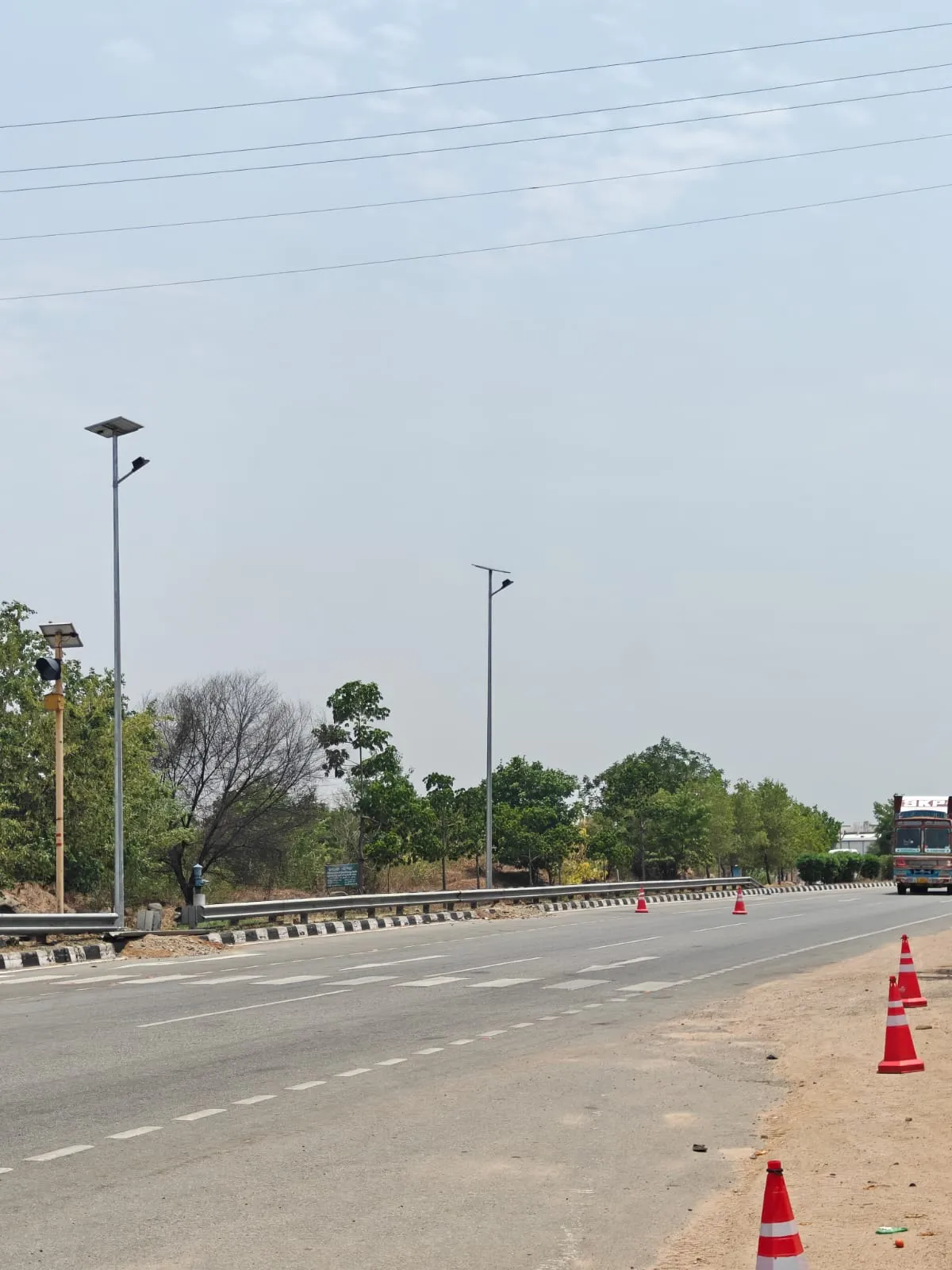
Some roads and infrastructure projects are located away from existing electrical connections. Solar street lights can provide an independent lighting option for such locations.
Commercial Campuses
Schools, offices, hospitals, residential developments and commercial properties can also use solar lighting for pathways, parking areas and internal roads.
Choosing a Reliable Supplier
The market includes manufacturers, distributors and resellers, so buyers should evaluate more than the initial product price.
A dependable Solar street light supplier in India should be able to explain the specifications of the panel, battery, LED module, controller and other important components. Technical support, installation guidance, warranty and availability of replacement parts should also be considered.
For larger projects, customization can be particularly important. Different sections of one property may require different wattages, pole heights or battery capacities.
Why LED Efficiency Matters
LED technology plays an important role in solar lighting because efficient LEDs can deliver substantial brightness while keeping energy consumption relatively low.
A professional Solar LED Street Light Manufacturer in India focuses not only on the LED fixture but also on matching it with the solar panel, battery and control system.
The objective should be balanced performance. A higher wattage does not automatically mean a better lighting solution. The system should provide appropriate illumination for the application while maintaining efficient energy use.
Look Beyond the Initial Purchase Price
When comparing solar street lights, businesses should consider the complete cost of ownership rather than focusing only on the purchase price.
Conventional outdoor lighting may involve electricity bills, cabling, electrical infrastructure and ongoing maintenance. Solar systems require an upfront investment in panels, batteries, LEDs, controllers and poles, but their standalone operation can reduce dependence on grid electricity.
Important factors to compare include:
- Equipment cost
- Installation requirements
- Battery life and replacement cost
- Expected operating hours
- Solar panel capacity
- Maintenance requirements
- Warranty coverage
- Technical and after-sales support
A slightly higher initial investment can sometimes provide better long-term value when the components and system design are more appropriate for the application.
The Importance of Working With the Right Manufacturer
For a large industrial project, product selection is only one part of the process. System design, installation, testing and after-sales support can have a significant effect on long-term performance.
An experienced Solar street light company in India should be able to understand the project's requirements and recommend a configuration based on the location and expected usage.
Before placing a bulk order, buyers should ask for detailed specifications and clarify battery technology, panel capacity, LED output, operating hours, warranty conditions and installation support.
Final Thoughts
Solar street lighting offers industries and commercial properties an opportunity to adopt renewable energy while providing independent outdoor lighting. From factory roads and warehouse yards to industrial parks and remote roads, the applications are diverse.
The best system is not necessarily the most powerful or the least expensive. It is the one that has been properly designed around the site's lighting requirements, solar conditions, battery capacity and expected operating schedule.
Businesses planning an industrial installation should therefore compare specifications carefully and choose a supplier that can provide suitable technical guidance, reliable components and continued support. With proper planning, solar street lighting can become a practical part of a more energy-conscious infrastructure strategy.

















Sign in to leave a comment.