
Introduction
Clear glass depends on judgement before technique. A professional chooses tools by reading the pane, the frame, the height, and the soil load. That choice affects streak control, surface protection, worker fatigue, and drying behaviour. Poor equipment forces extra passes and raises the chance of scratches. A reliable kit supports steady hand movement, clean water management, and safe access from the first window to the last.
1. Start With Glass Type
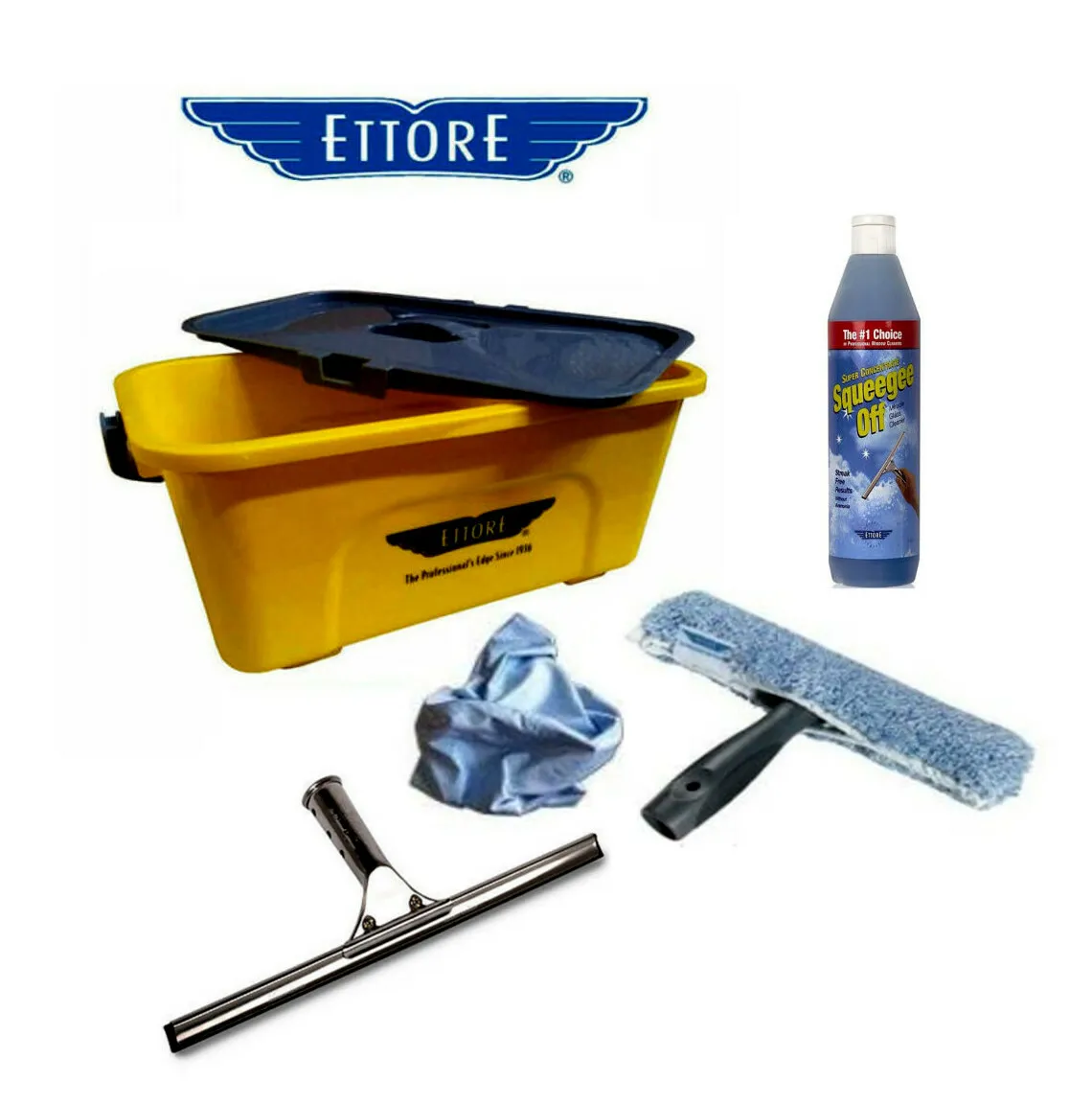
Pane size, coating, frame depth, and exposure should guide every buying decision. Storefront glass needs broad channels, while French panes require tighter control. For teams assessing window cleaning equipment, mineral deposits, silicone residue, and aged seals should be reviewed before cost, since mismatched tools can leave drag marks, trapped water, or edge staining.
2. Squeegees Matter
The squeegee creates the finish people notice. A straight channel keeps pressure even across the rubber lip. Soft rubber flexes well in cold conditions, while harder rubber holds its shape during heat. Handle angle also matters. A grip that fits the hand reduces forearm strain during repeated pulls. Rubber should be changed before rounded edges begin leaving fine trails.
3. Pick Better Washers
A washer must carry enough solution without flooding the sill. Microfibre sleeves lift dust and pollen through fine fibres. Scrub sleeves add bite for insect marks, grease film, and dried residue. Experienced crews carry both, because exterior glass and interior partitions rarely become soiled in the same way. The sleeve should rinse freely, hold its shape, and stay secure on the T-bar.
4. Poles And Reach
Extension poles reduce ladder exposure and improve access on tall elevations. Aluminium keeps costs low, although carbon fibre limits shoulder fatigue during overhead work. Clamp strength is critical. A slipping pole can spoil a pass or create an injury risk. Tips should lock securely into squeegees, washers, brushes, and scrapers so technicians maintain control at full reach.
5. Water-Fed Systems
Water-fed poles depend on purified water, not pressure alone. Filtration removes dissolved minerals that would otherwise dry as spots. Resin tanks, carbon filters, and reverse osmosis units each serve different water conditions. Crews should test total dissolved solids before starting exterior work. If purity drifts too high, even careful brushing can leave cloudy residue across the glass.
6. Scrapers And Blades
Scrapers are useful, but they demand restraint. Paint specks, labels, and construction debris may need a sharp blade. Damaged toughened glass, however, can scratch under scraping pressure. The pane should be inspected first, then wetted thoroughly. Fresh blades glide more cleanly than nicked ones. Safe holders prevent loose edges from cutting bags, belts, or hands.
7. Buckets And Belts
Good storage keeps movement efficient. Rectangular buckets fit washers without bending the sleeve. Bucket-on-a-belt setups help interior technicians carry solution, squeegees, and towels while moving from room to room. Tight clips reduce drips near flooring, desks, and displays. Tool placement seems minor, yet it affects pace, posture, and clean-up time across a full schedule.
8. Chemicals And Soap
Cleaning solution should loosen soil, then rinse away cleanly. Too much soap leaves a surfactant film that causes drag and streaks. Hard-water deposits may need a separate treatment, especially near sprinklers or coastal air. Strong chemicals should be kept away from tint, unfinished wood, and weakened seals. Labels and dilution records help protect surfaces during busy routes.
9. Safety Gear
Safe window work starts before the first pane is wetted. Gloves protect skin from cold water, sharp trim, and cleaning agents. Slip-resistant footwear supports balance on damp pavement. Eye protection helps during overhead rinsing and blade work. Depending on height and site rules, crews may also need cones, stabilisers, harnesses, or controlled access zones.
10. Quality Checks
Inspection should happen while tools are still in hand. Sunlight, side angles, and interior lighting reveal different flaws. Detail towels clear water from corners, gaskets, and lower rails. Dry microfibre cloths handle small touch-ups without smearing. A final check of panes, sills, tracks, and entry areas helps prevent call-backs and protects client confidence.
11. Buying For Durability
Low-cost tools can become expensive if channels bend or clamps fail. Better purchases have replaceable parts, standard rubber sizes, and balanced handles. Weight matters, but weak construction slows production. A small field trial is often wiser than a bulk order. Technicians should test grip comfort, pole stiffness, sleeve fit, and accessory compatibility before committing.
12. Maintenance Habits
Equipment care preserves results. Wash sleeves should be rinsed after dirty jobs and dried fully before storage. Squeegee rubber should be stored flat, away from heat and sharp tools. Brushes need flushing so grit cannot score glass later. Pole clamps should be checked weekly. Clean buckets also prevent stale solution from contaminating fresh mixes.
Conclusion
Professional results come from matching equipment to real site conditions. Glass type, access height, soil chemistry, water quality, and worker comfort all shape the correct choice. Durable tools improve consistency, but care habits keep them performing well. Crews that inspect surfaces, maintain rubber, monitor purified water, and store gear properly work faster with fewer defects. The best kit supports cleaner glass, safer routines, and dependable service.





























Sign in to leave a comment.