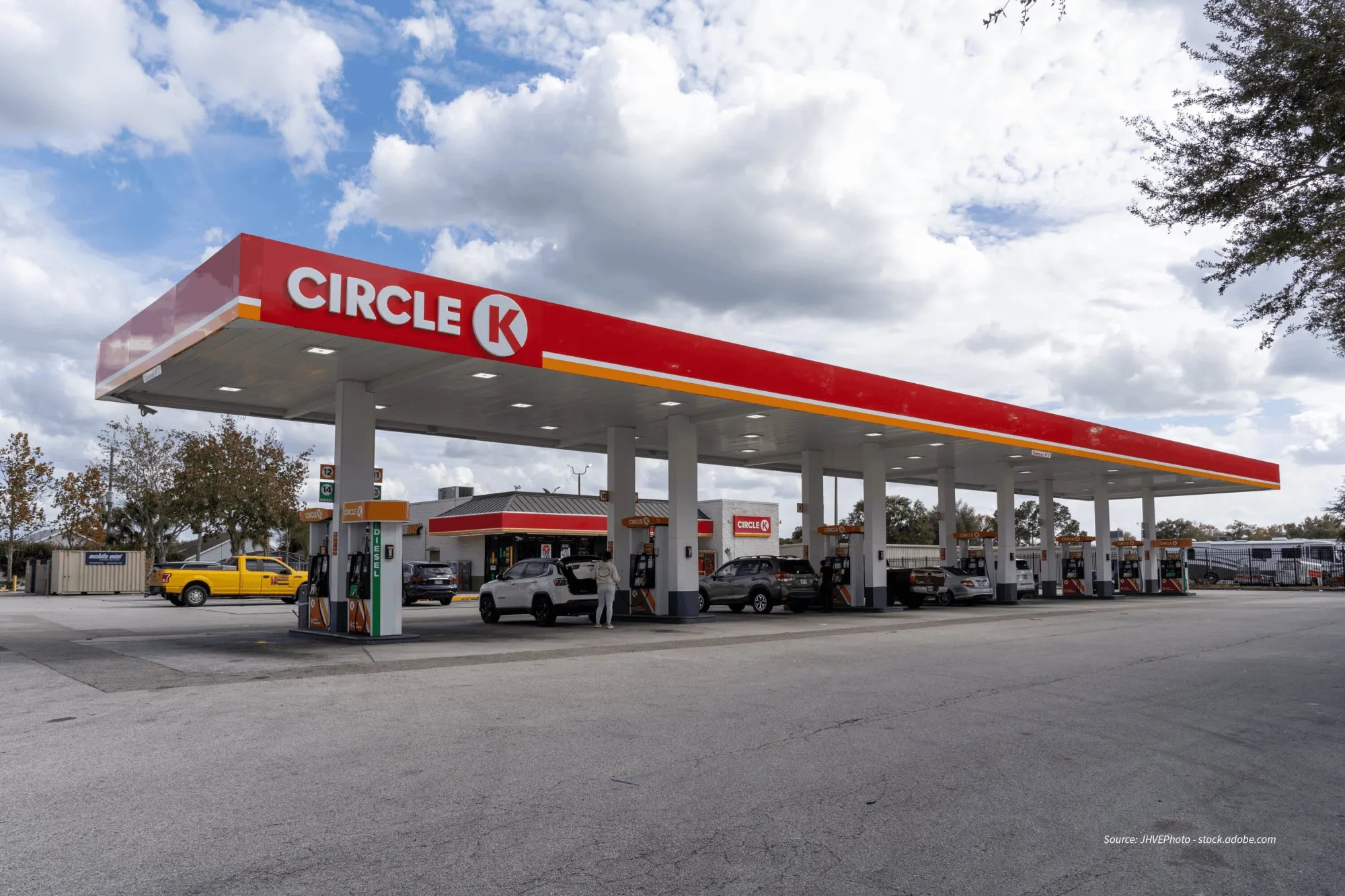

Investors seeking dependable commercial assets often look toward convenience retail properties because of their resilience and consistent customer demand. Among the most recognized investment categories, Circle K real estate continues to attract attention due to its association with high traffic locations, essential consumer services, and long term occupancy potential. Understanding the factors that influence these investment opportunities allows buyers to make informed decisions while building a diversified commercial property portfolio.
Understanding Convenience Retail Investments
Why Convenience Retail Properties Remain Attractive
Convenience retail properties have become an important part of commercial real estate because they serve everyday consumer needs. These locations typically provide easy access, extended operating hours, and products that customers purchase regularly. Since convenience shopping is often driven by necessity rather than discretionary spending, these properties can demonstrate resilience during changing economic conditions.
Many investors appreciate these assets because they often occupy highly visible intersections, busy commuter routes, or densely populated neighborhoods. Such strategic placement supports consistent customer traffic, making convenience retail properties appealing for long term ownership.
Characteristics of High Quality Investment Assets
Successful retail investments usually share several common characteristics. Accessibility, visibility, nearby residential communities, and strong transportation networks all contribute to a property's long term value. Buyers should also evaluate the surrounding commercial environment to determine whether complementary businesses increase overall customer activity.
The quality of the building itself also matters. Modern construction, efficient layouts, ample parking, and attractive landscaping contribute to tenant satisfaction and may reduce future maintenance expenses.
Evaluating Market Conditions Before Buying
Studying Local Economic Growth
Before purchasing commercial property, investors should analyze the economic health of the surrounding market. Population growth, employment trends, household income, and business development all influence long term demand for retail services. Markets experiencing consistent expansion often provide stronger investment opportunities than areas facing declining populations.
Researching future infrastructure improvements can also provide valuable insight. Planned road expansions, residential developments, or commercial projects may increase traffic counts and strengthen property values over time.
Measuring Consumer Demand
Understanding consumer behavior is equally important. Areas with strong daily traffic, growing residential neighborhoods, and active commercial districts generally support convenience retail operations more effectively than isolated locations.
Investors should also examine nearby competition, customer demographics, and shopping patterns. These factors help determine whether demand is likely to remain stable over many years.
Property Selection Strategies
Prioritizing Prime Locations
Location remains one of the most important factors in commercial real estate investing. Properties situated near major intersections, highways, schools, offices, or expanding residential communities often generate stronger long term performance than locations with limited accessibility.
When evaluating Circle K real estate, buyers should consider vehicle traffic counts, pedestrian activity, neighborhood growth, and overall visibility. Properties that are easy to enter and exit typically experience higher customer convenience and sustained business activity.
Assessing Physical Property Condition
A thorough property inspection protects investors from unexpected repair costs. Buyers should evaluate roofing systems, structural components, parking lots, lighting, utility systems, drainage, and environmental conditions before completing a purchase.
Reviewing maintenance history provides additional confidence regarding the property's condition. Well maintained commercial assets generally require fewer immediate capital improvements and may deliver more predictable ownership expenses.
Reviewing Lease Structure
Lease agreements significantly influence investment performance. Buyers should understand lease duration, renewal options, maintenance responsibilities, rent escalation clauses, and operating expense allocations before purchasing any retail property.
Long term leases with clearly defined responsibilities often provide greater financial stability while reducing uncertainty regarding future operating costs.
Financial Planning for Commercial Property Buyers
Understanding Investment Returns
Commercial real estate investors typically evaluate multiple financial metrics before purchasing a property. Rental income, operating expenses, capitalization rates, cash flow projections, and potential appreciation all contribute to overall investment performance.
Rather than focusing on a single measurement, experienced investors review several financial indicators together to develop a complete understanding of the property's earning potential.
Budgeting Beyond the Purchase Price
Acquiring commercial property involves more than the initial purchase cost. Investors should prepare for legal expenses, inspections, insurance, financing fees, maintenance reserves, taxes, and potential capital improvements.
Developing realistic financial projections helps buyers avoid unexpected costs while maintaining healthy cash flow throughout ownership.
Financing Considerations
Different financing structures offer varying advantages depending on investment goals. Buyers should compare interest rates, loan terms, down payment requirements, and repayment flexibility before selecting a financing solution.
Maintaining adequate financial reserves also provides protection against unexpected repairs or temporary market fluctuations, allowing investors to manage their properties more confidently.
Managing Investment Risk
Performing Thorough Due Diligence
Careful research reduces investment risk significantly. Buyers should verify property records, zoning compliance, environmental reports, title history, tax documentation, and lease agreements before finalizing any transaction.
Professional inspections and legal reviews help identify issues that may not be immediately visible during initial property evaluations.
Diversifying Commercial Investments
Diversification remains a valuable strategy for reducing overall portfolio risk. Rather than concentrating investments in a single property type or geographic market, many investors spread their capital across multiple commercial sectors or regions.
A balanced portfolio can provide greater stability when market conditions change, helping investors maintain consistent long term performance.
Monitoring Changing Market Trends
Commercial real estate markets continue to evolve as consumer preferences, transportation patterns, and economic conditions change. Investors who regularly monitor these developments can make informed decisions regarding property improvements, refinancing opportunities, or future acquisitions.
Remaining aware of demographic shifts and local development plans allows property owners to adapt their investment strategies proactively.
Long Term Value Creation
Maintaining Property Quality
Protecting asset value requires ongoing maintenance and regular property improvements. Clean facilities, well maintained parking areas, attractive landscaping, and modern building systems contribute to tenant satisfaction while preserving market competitiveness.
Preventive maintenance often costs less than major repairs, making consistent upkeep an important component of successful property ownership.
Evaluating Future Growth Opportunities
Commercial property ownership often presents opportunities beyond rental income. Market appreciation, redevelopment potential, expansion possibilities, and surrounding community growth may increase property value over time.
Investors should periodically reassess their holdings to determine whether strategic improvements or portfolio adjustments could enhance long term returns.
Building a Sustainable Investment Strategy
Successful commercial real estate investing requires patience, research, disciplined financial planning, and continuous market evaluation. Buyers who establish clear investment objectives are better positioned to make decisions that align with their long term financial goals.
As market conditions evolve, adapting investment strategies while maintaining a focus on quality assets can contribute to consistent portfolio growth.
Conclusion
Commercial convenience retail properties continue to attract investors seeking stable income, strategic locations, and long term value creation. Careful market analysis, comprehensive due diligence, sound financial planning, and disciplined risk management all contribute to successful investment outcomes. Buyers who understand these essential principles are better equipped to evaluate Circle K real estate opportunities and make informed purchasing decisions that support lasting portfolio growth. For investors seeking expert insights into net lease investment strategies and commercial real estate opportunities, NNN Trends by Equity CRE serves as a valuable resource for market knowledge and informed decision making.

























Sign in to leave a comment.