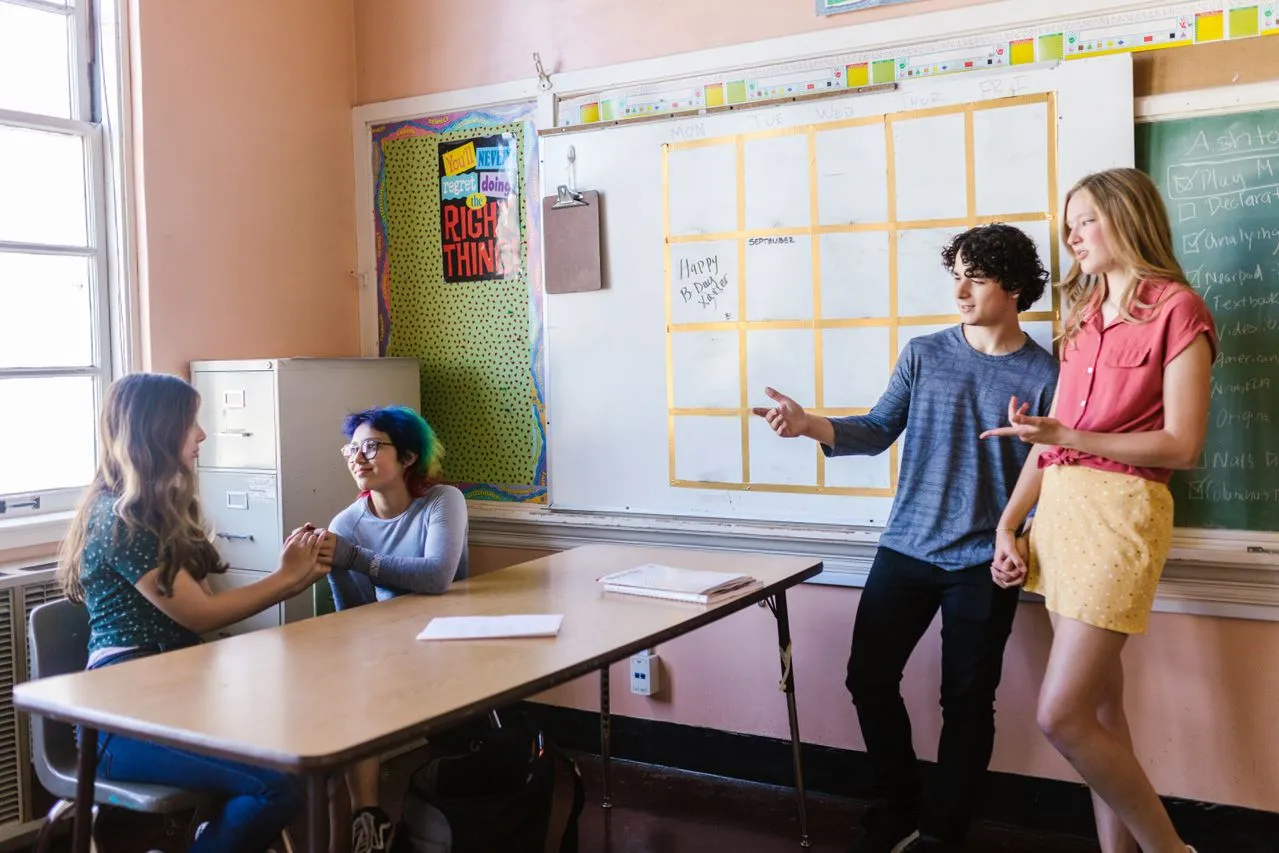

Most people learn about government in school, if at all, and often as a list of facts: three branches, a few amendments, a handful of dates. But knowing how a bill becomes law is different from knowing how to influence a decision about your own neighborhood. That is the gap civic education aims to fill. At its best, it teaches people how public life works and gives them the confidence to take part in it. This article examines why this kind of learning matters, what it should cover, and how adults and young people can keep learning throughout their lives.
Why Civic Education Matters
A democracy depends on people who understand it. When knowledge is thin, participation drops, and misunderstanding fills the gap. People may believe that voting does not matter, that officials cannot be reached, or that the system is designed to exclude them.
One way to frame the challenge is as a crisis of confidence in a self-governing, inclusive, and participatory democracy. Confidence grows from understanding. When people know how decisions are made, where to find information, and how to make their voices heard, they are more likely to act.
Civic education also strengthens the ability to disagree well. Learning to weigh evidence, listen to opposing arguments, and resolve conflicts without harm is as important as memorizing facts. These are habits that support a healthy public life.
What Good Civic Education Covers
How government works locally. Understanding city, county, and state institutions helps people find the right place to raise an issue.
How elections work. This includes registration, ballots, deadlines, and the roles of the offices being contested.
How to evaluate information. Learning to check sources, notice bias, and distinguish claims from evidence protects people from misinformation.
How to participate. Attending meetings, contacting officials, volunteering, and organizing are skills as much as knowledge.
How to talk across differences. Dialogue and civil discussion belong in any complete civic curriculum.
Values behind democracy. Agency, civility, reason, and nonviolence are principles worth discussing openly.
Civic learning is not limited to classrooms. Community organizations offer series that blend virtual and in-person activities, letting adults and members of local groups learn together. One such series, listed for September through November 2026, is designed to help people prepare for the upcoming elections.
Common Mistakes to Avoid
Treating it as a one-time event. Understanding grows with repetition. Ongoing learning beats a single session.
Focusing only on national politics. Local government shapes everyday life, yet it is often neglected.
Teaching facts without practice. People learn best by doing, whether that means attending a meeting or working through a sample ballot.
Avoiding difficult conversations. Civic education that steers around disagreement may not prepare people for real life.
Assuming adults do not need it. Rules, offices, and ballots change. Adults benefit from refreshers as much as students do.
Civic Education Across the Lifespan
Civic learning does not end with school. Adults face new questions all the time: new ballot measures, changing rules, and unfamiliar offices. Lifelong learning helps people keep up.
Adults may prefer flexible formats, such as evening sessions, virtual workshops, and events that combine learning with discussion. Programs that mix virtual and in-person activities allow people to choose what fits their lives.
Younger people benefit from experiences that let them practice. A youth-focused event exploring leadership, advocacy, and democratic participation can give them a taste of civic life and a network of peers. The earlier the exposure, the more natural participation feels.
The Connection Between Learning and Action
Knowledge alone does not change a community. The goal of civic education is to help people act. That means moving from understanding to participation: attending a meeting, asking a question, volunteering, or voting.
This connection is central to the idea of a pathway from dialogue to engagement to voter education to community change. Education is a bridge between caring and acting. When people understand how to make a difference, they are more likely to try.
Building a Culture of Learning
Communities that value civic learning tend to develop habits that support it. They hold regular forums, encourage questions, and celebrate participation. Individuals can contribute by sharing what they learn, inviting others to events, and treating questions as a sign of engagement rather than ignorance.
Who This Is For
Civic education serves students, parents, educators, community volunteers, and anyone who feels uncertain about how public life works. It is especially useful for first-time voters and for people who have felt shut out of political processes.
If you are teaching or mentoring others, remember that curiosity spreads. Sharing what you learn with family, friends, and colleagues multiplies its value.
Questions People Often Ask About Civic Learning
Do I need to be political to benefit? Not at all. Understanding how public life works is useful whatever your views, and good civic learning does not tell you what to believe.
Is it too late to start? Never. Adults regularly discover that they never learned how their local government works, and catching up is both possible and rewarding.
What if the topics feel too complicated? Start small. Choose one office or one local issue and learn how decisions about it are made. Complexity becomes manageable one piece at a time.
How do I know a source is reliable? Look for clear sourcing, balanced explanations, and openness about who is behind the material. When in doubt, compare several sources.
Practical Tips: Building Your Own Civic Knowledge
- Start local. Learn who represents you on your city council, school board, and county bodies.
- Read a sample ballot. Use it as a study guide for offices and measures.
- Attend one educational event. Look for workshops, series, or forums in your area.
- Follow trustworthy sources. Mix local news, nonpartisan explainers, and official government materials.
- Ask questions. Do not be embarrassed to ask what a term or office means.
- Discuss with others. Talk through what you learn with people who see things differently.
- Teach someone else. Explaining a concept to a friend deepens your own understanding.
Final Thoughts
Understanding how your community and government work is a form of empowerment. It replaces confusion with confidence and turns a feeling of distance into a sense of possibility. No one needs to know everything to begin. Pick a topic, ask a question, and keep learning.

























Sign in to leave a comment.