CJP Protest Delhi: Chirag Paswan Comments on Restrictions and Youth Participation

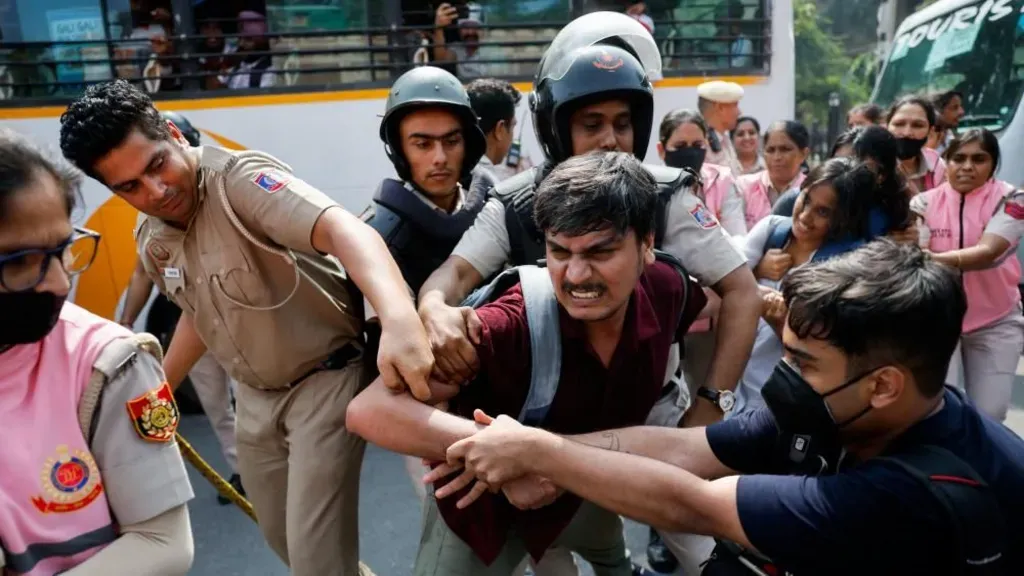
The CJP Protest Delhi controversy attracted national attention on October 10, 2026, after authorities tightened security across the national capital ahead of a demonstration called by the Cockroach Janta Party (CJP). The protest was linked to demands for accountability from the Election Commission of India and reforms in the electoral process.
Why Was the CJP Protest Organised?
CJP announced a demonstration at Jantar Mantar demanding the resignation of Chief Election Commissioner Gyanesh Kumar and electoral reforms. The protest came amid broader political debate over the Election Commission's functioning and concerns raised by opposition groups about electoral processes.
However, Delhi Police denied permission for the planned demonstration, citing the short notice given by organisers, previous alleged violations of protest conditions, and concerns about public safety, traffic management, and law and order.
What Did Chirag Paswan Say?
Union Minister Chirag Paswan commented on the situation amid reports of train cancellations, transport disruptions, and increased security arrangements in Delhi. He said that India's youth could not be stopped and criticised opposition parties for what he described as spreading misleading narratives and engaging in political confrontation.
Paswan also argued that opposition leaders should seek dialogue with the Chief Election Commissioner rather than organise protests that could inconvenience the public. His remarks added another dimension to the ongoing debate about political demonstrations, public access, and institutional accountability.
His comments were reported by NDTV on October 10, 2026, as security arrangements continued across parts of the capital.
Security Arrangements and Public Disruption
Authorities introduced extensive security measures ahead of the planned protest. Barricades, police deployments, and restrictions around key areas affected movement in parts of New Delhi. Reports also highlighted concerns among commuters and students about transport disruptions.
The situation raised questions about balancing the right to peaceful assembly with public safety and the smooth functioning of essential transport services. Protest organisers, political leaders, and authorities have different perspectives on how such demonstrations should be managed.
Why the Protest Matters
The CJP Protest Delhi episode reflects wider discussions about electoral transparency, political accountability, and the role of public demonstrations in a democracy. Peaceful protests provide a platform for citizens and political groups to express concerns, while authorities are responsible for maintaining public order and ensuring that restrictions are applied according to the relevant legal framework.
The controversy also highlights the importance of clear communication between protest organisers, law enforcement agencies, and the public, particularly when large gatherings are expected to affect major transport routes.
50News covers important developments in Indian politics, public affairs, education, and current events. Readers can follow 50News for further updates on the CJP protest, political responses, and developments involving the Election Commission.
As discussions continue, the key issues remain electoral accountability, the management of public demonstrations, and the need for transparent communication between political groups and government authorities.


Sign in to leave a comment.